
Why Vintage Cars Capture the Collector’s Heart
There’s a magnetic pull that vintage cars exert on enthusiasts, a blend of nostalgia, craftsmanship, and raw driving pleasure that modern machines rarely replicate. Whether you’re drawn to the rumble of a classic V8, the sleek lines of a 1960s coupe, or the rarity of a limited‑edition roadster, the thrill of hunting for that perfect vintage car is unmatched. For many, the journey begins with a single glance at a glossy advertisement or a dusty garage find, and ends with a well‑earned badge of ownership that tells a story of automotive history.
Key Factors to Consider When Buying Vintage Cars
Assessing Condition and Authenticity
The condition of a vintage car is the single most critical factor in determining its value and long‑term enjoyment. Look beyond surface shine and evaluate:
- Original paintwork versus repaints – factory paint holds higher resale value.
- Engine health – compression tests and oil analysis reveal hidden wear.
- Chassis integrity – rust, especially in floor pans, can compromise safety.
- Original parts – aftermarket components may lower collector appeal.
Authenticity is verified through factory build sheets, VIN checks, and historic photographs. A well‑documented provenance can add tens of thousands of dollars to a car’s price.
Budget Planning and Total Cost of Ownership
Many first‑time buyers focus only on the purchase price, but vintage cars come with hidden expenses. Create a realistic budget that includes:
- Purchase price (including auction or dealer fees).
- Specialized insurance – classic car policies often cost less but require agreed‑value coverage.
- Storage solutions – climate‑controlled garages protect against corrosion.
- Maintenance and parts – rare components may need custom fabrication.
- Restoration vs. preservation – decide if you’ll restore to showroom condition or keep the patina.
Understanding Market Trends and Rarity
Collectible value is driven by supply, demand, and cultural relevance. Limited‑production models, race‑bred variants, and cars with celebrity provenance often appreciate faster. Keep an eye on auction results and industry reports to gauge which vintage cars are gaining momentum in 2024.
Top Vintage Cars for Collectors in 2024
Below is a curated list of classic models that have captured the attention of collectors this year. Each offers a unique blend of performance, design, and historical significance.
1. 1965 Ford Mustang Fastback
The iconic pony car remains a staple in any classic garage. Its 271 hp V8, distinctive fastback silhouette, and cultural impact make it a top pick for both new and seasoned collectors.
2. 1970 Chevrolet Chevelle SS 454
With a monstrous 454 cu in. engine delivering 450 hp, the Chevelle SS is the embodiment of American muscle. Its rarity in original condition drives strong auction results.
3. 1969 Porsche 911 Carrera RS
Only 1,580 units were built, and the lightweight, rear‑engine layout provides an exhilarating driving experience. The Carrera RS is prized for its racing pedigree and timeless design.
4. 1957 Mercedes-Benz 300SL “Gullwing”
Renowned for its distinctive doors and pioneering fuel injection, the 300SL remains one of the most valuable vintage cars on the market, often fetching multi‑million‑dollar prices at auction.
5. 1974 BMW 3.0 CSL “Batmobile”
Lightweight aluminum bodywork and a high‑revving six‑cylinder engine give the CSL an unmatched blend of agility and rarity, making it a coveted European classic.
Comparison of Classic Models for 2024 Collectors
| Model | Starting Price (USD) | Engine / Power | Key Feature | Pros | Best For |
|---|---|---|---|---|---|
| 1965 Ford Mustang Fastback | $30,000–$55,000 | 271 hp 4.7 L V8 | Iconic American muscle | Wide parts availability, strong community | Entry‑level collectors |
| 1970 Chevrolet Chevelle SS 454 | $45,000–$80,000 | 450 hp 7.4 L V8 | Raw power and rarity | High performance, strong resale | Muscle car enthusiasts |
| 1969 Porsche 911 Carrera RS | $120,000–$180,000 | 210 hp 2.2 L flat‑6 | Lightweight racing pedigree | Precision handling, German engineering | Performance purists |
| 1957 Mercedes‑Benz 300SL “Gullwing” | $1,200,000–$1,800,000 | 215 hp 3.0 L inline‑6 | Fuel‑injection and gullwing doors | Historical significance, unmatched style | High‑net‑worth investors |
| 1974 BMW 3.0 CSL “Batmobile” | $250,000–$350,000 | 206 hp 3.0 L inline‑6 | Aluminum chassis, aerodynamic design | European rarity, track‑ready | Collectors seeking exclusivity |
Financing and Ownership Costs of Vintage Cars
Classic Car Loans vs. Cash Purchases
While many collectors prefer cash transactions to avoid interest, specialty lenders now offer loans tailored to vintage cars. These loans typically require:
- Higher down payments (20–30%).
- Lower loan‑to‑value ratios (max 70%).
- Proof of storage and insurance.
Cash purchases eliminate financing costs but tie up capital that could be invested elsewhere. Evaluate your financial goals before deciding.
Insurance Considerations
Classic car insurance differs from standard policies. Look for agreed‑value coverage, mileage limits, and flexible usage clauses. Some insurers also offer discounts for vehicles kept in climate‑controlled facilities.
Maintenance, Parts, and Restoration Expenses
Maintenance on vintage cars can be unpredictable. Budget for:
- Specialist labor – mechanics familiar with period‑specific systems.
- OEM parts – often sourced from salvage yards or specialty fabricators.
- Restoration projects – a full rebuild can exceed the purchase price.
Storage and Preservation
Proper storage protects your investment from the elements and reduces rust risk. Options include:
- Indoor garages with dehumidifiers.
- Climate‑controlled storage units.
- Car covers with breathable membranes.
Legal and Documentation Essentials for Vintage Cars
Title and Provenance Verification
Ensuring a clean title is paramount. Verify VIN consistency, check for salvage or rebuilt stamps, and obtain any available factory build sheets. Provenance documents—such as original sales invoices, service records, and historic photographs—add credibility and value.
Emissions and Road Legality
Many jurisdictions exempt true classics from modern emissions testing, but rules vary. In the U.S., the EPA’s “Antique Vehicle” exemption applies to cars 25 years or older, provided they’re used primarily for exhibitions or club events. Always confirm local regulations before registering a vintage car for road use.
Import Regulations and International Collecting
Importing a vintage car can be a complex process involving customs duties, age‑verification, and compliance with the 25‑year rule. Work with a reputable broker who understands both the U.S. and foreign market requirements.
Future Trends: How Technology Is Shaping Vintage Car Collecting
Digital Provenance and Blockchain
Blockchain technology is emerging as a tool for authenticating classic car histories. Secure, immutable records can verify ownership chains, service histories, and restoration work, reducing fraud in the high‑value market.
Electric Conversions and Hybrid Retrofits
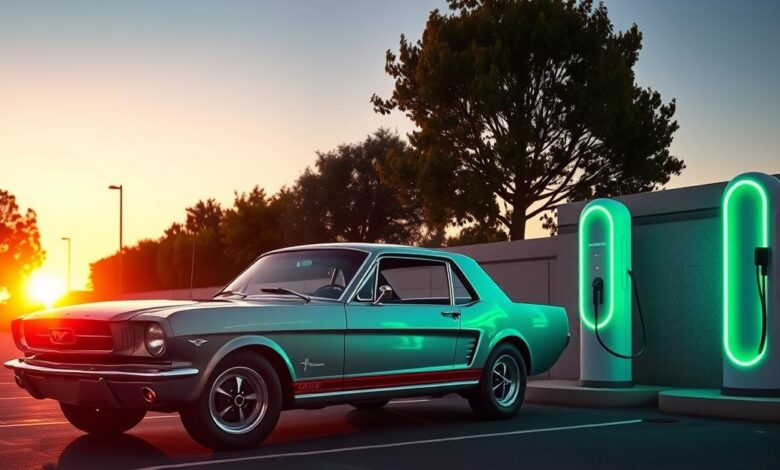
As emissions regulations tighten, some collectors are opting for electric conversions. Companies now offer turnkey EV kits that retain original chassis dimensions while providing silent, torque‑rich performance. While controversial among purists, these conversions can future‑proof a vintage car for low‑emission zones.
Online Auctions and Virtual Showrooms
The pandemic accelerated the shift to digital platforms. Live‑streamed auctions, 360° virtual tours, and AI‑driven valuation tools give buyers unprecedented access to rare vintage cars worldwide, expanding the collector community beyond local borders.
Data‑Driven Valuation Models
Advanced analytics now incorporate auction trends, mileage, condition grades, and macro‑economic indicators to generate more accurate market values. Collectors can leverage these tools to time purchases and sales strategically.
Community‑Driven Restoration Resources
Online forums, YouTube channels, and subscription‑based restoration guides provide step‑by‑step assistance for DIY enthusiasts. This democratization of knowledge lowers the barrier to entry for new collectors.
Preservation of Original Materials
Innovations in corrosion‑inhibiting coatings and non‑invasive diagnostic tools help maintain original metal and paint, preserving the authenticity that drives vintage car premiums.
Impact of Climate Change on Storage
Increasing humidity and extreme weather events have made climate‑controlled storage a necessity rather than a luxury. Advanced HVAC systems with real‑time monitoring protect against mold, rust, and interior degradation.
Conclusion: Making the Right Choice for Your Vintage Car Journey
Choosing the perfect vintage car in 2024 requires a blend of passion, research, and financial discipline. By understanding condition, provenance, total ownership costs, and emerging technologies, you can make an informed purchase that not only satisfies your automotive dreams but also serves as a solid investment for years to come.
Frequently Asked Questions
What is the best way to verify the authenticity of a vintage car?
Start with a VIN check and compare it to factory build sheets. Request original sales invoices, service records, and any historical photographs. When possible, consult a specialist appraiser who can spot inconsistencies in parts, paint, and chassis numbers.
Should I finance a classic car or pay cash?
Financing can preserve liquidity and may offer tax advantages if the vehicle is part of an investment portfolio. However, interest costs and stricter loan terms can add expense. Cash purchases eliminate debt and often give you stronger negotiating power at auctions.
How much does classic car insurance typically cost?
Insurance premiums vary based on the car’s value, storage conditions, and mileage limits. Agreed‑value policies for vintage cars usually range from 1% to 3% of the car’s appraised value annually.
Are electric conversions legal for vintage cars?
Legality depends on local regulations. In many U.S. states, an electric conversion is permissible if the vehicle is re‑registered as a “modified” or “custom” car and passes safety inspections. Always check with your state’s DMV before proceeding.
What maintenance tasks should I prioritize for a newly acquired vintage car?
Focus first on:
- Comprehensive fluid changes (oil,