Latest Electric SUV Trends Driving Family Buyers to Choose Green Power

Why Electric SUVs Are Becoming the Default Choice for Modern Families
The automotive landscape is undergoing a seismic shift, and families are at the forefront of this transformation. Electric SUVs combine the spaciousness families need with the zero‑emission credentials that today’s eco‑conscious shoppers demand. As charging infrastructure expands and government incentives tighten, the allure of a quiet, powerful, and low‑maintenance vehicle is harder to ignore. This surge isn’t just about green credentials; it’s about practicality, safety, and long‑term savings that resonate with anyone balancing a budget and a busy household.
In the next few sections, we’ll unpack the trends shaping the electric SUV market, break down the most important features for family buyers, and provide actionable advice on budgeting, financing, and technology choices. Whether you’re eyeing a brand‑new model or considering a certified pre‑owned electric SUV, this guide equips you with the knowledge to make a confident, future‑proof purchase.
Market Momentum: How Electric SUVs Are Redefining Family Mobility
The rapid adoption of electric SUVs is driven by three core forces: regulatory pressure, consumer demand for versatility, and breakthroughs in battery technology. Governments worldwide are tightening CO₂ targets, offering tax credits and rebates that make electric SUVs financially attractive. Meanwhile, families are looking for vehicles that can handle school runs, weekend getaways, and grocery hauls without compromising on range or cargo capacity.
Key market indicators illustrate this momentum:
- Global EV sales grew 68% year‑over‑year in 2023, with SUVs accounting for more than 45% of that growth.
- Battery costs have fallen below $100 kWh, pushing the price gap between comparable gasoline SUVs and electric counterparts to historic lows.
- Public charging stations increased by 30% in the U.S. and Europe during the past 12 months, reducing range anxiety for long‑distance family trips.
For families, these trends translate into tangible benefits: lower fuel expenses, reduced maintenance, and the peace of mind that comes with driving a vehicle aligned with future emissions standards.
Key Features Families Prioritize in Electric SUVs
When families evaluate an electric SUV, they weigh a blend of practicality, safety, and technology. Below are the top criteria that consistently rank highest in consumer surveys.
Space and Flexibility
- Seating capacity: Most families need three rows or at least ample second‑row legroom.
- Cargo volume: Look for a minimum of 30 cubic feet behind the third row, expanding to 70+ cubic feet with seats folded.
- Flat floor design: A skateboard‑style battery pack often frees up interior space, making it easier to install child seats or transport bulky items.
Range and Charging Convenience
- Real‑world range: Aim for at least 250 miles on a single charge to comfortably cover weekly errands and weekend trips.
- Fast‑charging capability: Vehicles that support 150 kW or higher can add 80% charge in under 30 minutes—crucial for road trips.
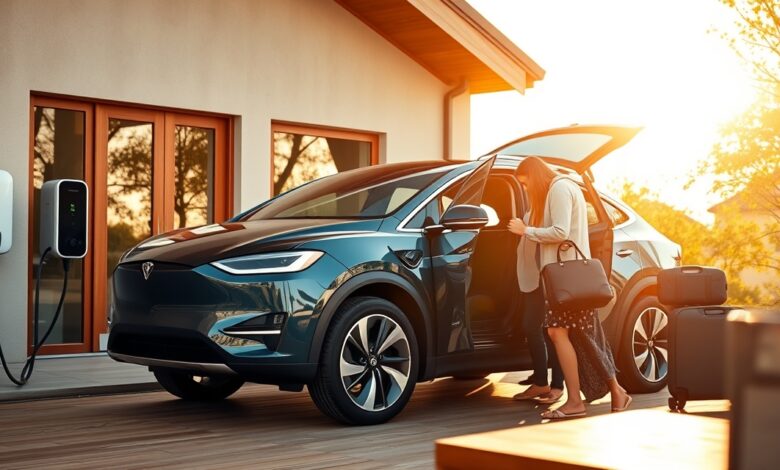
- Home charging options: A Level 2 (240 V) charger installed in the garage can fully replenish most electric SUVs overnight.
Safety and Driver‑Assistance Systems
- Advanced driver‑assistance systems (ADAS) such as adaptive cruise control, lane‑keeping assist, and automatic emergency braking are now standard on most new electric SUVs.
- High safety ratings from NHTSA and IIHS remain a decisive factor for families with young children.
- Battery thermal‑management systems add an extra layer of safety by preventing overheating under extreme conditions.
Technology and Connectivity
- Integrated infotainment with Apple CarPlay and Android Auto keeps kids entertained on longer drives.
- Over‑the‑air (OTA) software updates ensure the vehicle stays current with the latest navigation maps and feature enhancements.
- In‑vehicle Wi‑Fi hotspots and multiple USB‑C ports are now expected amenities for modern families.
Budgeting and Financing Options for Electric SUVs
Purchasing an electric SUV can feel like a larger financial commitment than a traditional gasoline model, but a holistic view of total cost of ownership (TCO) often reveals the opposite. Below we break down the major cost components and financing pathways.
Understanding Total Cost of Ownership
- Purchase price vs. incentives: Federal tax credits (up to $7,500 in the U.S.) and state rebates can offset the sticker price dramatically.
- Fuel savings: Electricity costs roughly $0.04 per mile compared to $0.12–$0.15 per mile for gasoline, saving $800–$1,200 annually for a typical family.
- Maintenance reduction: Fewer moving parts mean lower routine service costs—no oil changes, fewer brake replacements due to regenerative braking.
- Depreciation: Early‑adopter electric SUVs have held value well, especially those with larger battery packs and strong brand reputation.
Leasing vs. Buying: Which Is Best for Families?
Leasing can be attractive for families who want to upgrade every few years and benefit from lower monthly payments. However, buying offers greater flexibility, especially for those who plan to keep the vehicle long‑term to maximize fuel‑savings benefits. Below is a quick side‑by‑side comparison.
Financing Strategies
- Zero‑percent APR offers: Many manufacturers provide promotional financing that can make the effective cost of borrowing negligible.
- Green auto loans: Some banks and credit unions offer lower interest rates for electric vehicle purchases.
- Trade‑in equity: Leveraging a high‑value trade‑in can reduce the down payment required for an electric SUV.
- Subscription services: A few automakers now offer subscription models that bundle insurance, maintenance, and charging into a single monthly fee.
Technology and Safety Innovations Powering the Electric SUV Boom
Beyond the obvious environmental benefits, electric SUVs are packed with cutting‑edge technology that directly addresses family needs.
Battery Architecture and Longevity
Modern lithium‑ion packs feature modular designs that allow for easy replacement and recycling. Many manufacturers now offer an 8‑year/100,000‑mile battery warranty, providing peace of mind for families concerned about long‑term reliability.
Integrated Safety Platforms
Electric SUVs often serve as the first platform for automakers to roll out new safety suites because the central computing architecture simplifies sensor integration. Features such as:
- 360‑degree camera systems for tight parking lots.
- Driver monitoring cameras that detect distraction or drowsiness.
- Enhanced crash structures that leverage the battery pack as a rigid safety cage.
These innovations make electric SUVs some of the safest family vehicles on the road today.
Smart Charging Solutions
Home chargers equipped with Wi‑Fi connectivity let parents schedule charging during off‑peak hours, reducing electricity costs. Public fast‑charging networks now provide real‑time availability data via smartphone apps, allowing families to plan routes without surprise stops.
Comparison of Top Family‑Friendly Electric SUVs
Comparison of Leading Electric SUVs for Families
| Model | Starting Price | EPA Range | Seating Capacity | Key Feature | Pros | Best For |
|---|---|---|---|---|---|---|
| Tesla Model Y | $49,990 | 330 miles | 5‑7 | Extensive Supercharger network | Fast charging, strong performance, OTA updates | Tech‑savvy families |
| Ford Mustang Mach‑E (Extended Range) | $48,500 | 305 miles | 5 | Co‑pilot 2.0 ADAS | Comfortable ride, spacious interior | Families seeking American brand |
| Volkswagen ID.4 Pro | $42,995 | 260 miles | 5 | Integrated infotainment with CarPlay | Affordably priced, generous cargo space | Budget‑conscious families |
| Hyundai Ioniq 5 (Long‑Range) | $45,750 | 303 miles | 5 | 800 V ultra‑fast charging | Rapid charge, futuristic interior | Families who travel frequently |
| Kia EV6 (GT‑Line) | $48,900 | 310 miles | 5 | Advanced driver assistance suite | Sporty handling, sleek design | Active families who love style |
| Volvo XC40 Recharge | $55,300 | 223 miles | 5 | Scandinavian safety ecosystem | Premium interior, top safety scores | Safety‑first families |
Future Outlook: What to Expect from Electric SUVs in the Next Five Years
Looking ahead, several developments will further cement electric SUVs as the go‑to vehicle for families.
- Longer ranges: Emerging solid‑state battery technology promises 400‑plus miles on a single charge by 2028.
- More affordable models: New entrants from legacy automakers and startups will push entry‑level pricing below $35,000.
- Integrated solar roofs: Early trials suggest solar panels can add 15‑30 miles of range per day—useful for suburban commuters.
- Enhanced V2L (Vehicle‑to‑Load) capabilities: Families can power camping gear, electric bikes, or even a home during outages.
For buyers, the key takeaway is to act now while incentives are still robust, but also to choose a platform that can receive OTA updates and support future battery upgrades. This ensures the vehicle remains relevant as technology evolves.
Practical Buying Tips for Families Considering an Electric SUV
- Calculate your annual mileage and compare electricity rates versus gasoline to quantify fuel savings.
- Check local and state incentives—many programs are tiered based on vehicle price or battery size.
- Test the vehicle’s cargo flexibility with a stroller or bike rack before finalizing the purchase.
- Consider a home charger installation cost; many utilities offer rebates that can reduce upfront expense by up to 30%.
- Review the warranty coverage on the battery pack and drivetrain—longer warranties often correlate with higher battery quality.
Final Thoughts
Electric SUVs are no longer a niche segment; they are rapidly becoming the mainstream choice for families who want space, safety, and sustainability without sacrificing performance. By focusing on real‑world range, charging convenience, and comprehensive safety suites, today’s electric SUVs address the core concerns of family buyers. With the right financing strategy and a clear understanding of total cost of ownership, making the switch to an electric SUV is both an environmentally responsible and financially savvy decision.
Frequently Asked Questions
Is it better to lease or buy an electric SUV for a family?
Leasing offers lower monthly payments and the flexibility to upgrade to newer technology every few years, which can be appealing