
Why Vintage Cars Still Captivate Modern Collectors
The roar of a hand‑crafted V8, the gleam of polished chrome, and the nostalgia of a bygone era make vintage cars more than just transportation—they’re rolling pieces of history. In an age where electric vehicles dominate the headlines, the timeless appeal of vintage cars offers a tactile connection to automotive heritage that technology can’t replace. Whether you’re a seasoned collector or a first‑time buyer, understanding the emotional and financial pull of these classic machines is the first step toward making a smart purchase.
Beyond the thrill, vintage cars can serve as solid investments when approached with the right knowledge. Their rarity, condition, and provenance often dictate value appreciation, turning a passion project into a portfolio asset. This guide walks you through the practical considerations, budget planning, and maintenance realities of acquiring a classic vehicle in 2024.
Key Factors to Evaluate Before Buying Vintage Cars
Purchasing a classic isn’t the same as buying a new sedan off the lot. You need to assess a blend of mechanical integrity, historical significance, and market dynamics. Below are the essential checkpoints every buyer should run before signing any paperwork.
Condition and Originality
- Structural integrity: Check for rust, frame damage, and signs of previous accidents. A solid chassis is the foundation of any vintage car.
- Original components: Engines, transmissions, and interior trim that remain factory‑original often add the most value.
- Restoration quality: If the car has been restored, verify that period‑correct parts and techniques were used.
Documentation and Provenance
- Original build sheets, factory invoices, and ownership history can dramatically increase a car’s credibility.
- Look for VIN verification and any historic registration records that confirm authenticity.
Market Trends and Resale Potential
Understanding current demand helps you gauge whether a model is likely to appreciate. Look for recent auction results, specialist dealer listings, and enthusiast forum activity. Models that have limited production runs or a strong motorsport pedigree tend to outperform the market.
Budget Beyond the Purchase Price
Acquiring a classic is just the beginning. Ongoing costs include insurance, storage, routine maintenance, and occasional part sourcing. Allocate at least 15‑20% of the purchase price annually for these expenses to keep the vehicle in show‑room condition.
Top 2024 Vintage Cars Worth Buying
After extensive research into auction results, dealer inventories, and enthusiast feedback, we’ve identified six vintage cars that combine desirability, relative affordability, and strong appreciation potential for 2024. Each model offers a unique blend of performance, style, and historical relevance.
Comparison of 2024 Vintage Car Picks
| Model/Option | Starting Price (2024) | Engine / Power | Key Feature | Pros | Best For |
|---|---|---|---|---|---|
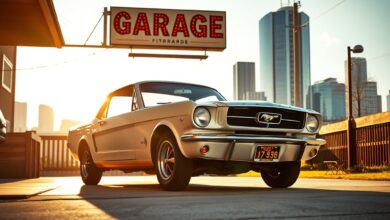
| 1965 Ford Mustang Fastback | $45,000 | 4.7 L V8, 225 hp | Iconic muscle silhouette | Strong aftermarket support, high demand | First‑time collectors |
| 1970 Chevrolet Chevelle SS 454 | $78,000 | 7.4 L V8, 450 hp | Raw power and rarity | Excellent performance, classic American muscle | Performance enthusiasts |
| 1969 Porsche 911 Carrera RS | $210,000 | 2.2 L flat‑six, 210 hp | Lightweight, track‑ready chassis | High resale value, motorsport pedigree | Serious collectors |
| 1972 BMW 3.0 CSL “Batmobile” | $250,000 | 3.0 L inline‑six, 206 hp | Aerodynamic “shark‑nose” body | Rare European classic, strong auction results | European car aficionados |
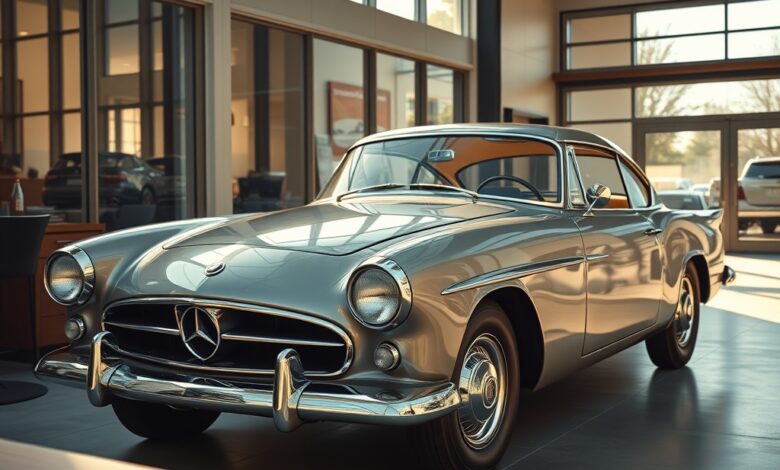
| 1957 Mercedes-Benz 300SL Gullwing | $1,200,000 | 3.0 L straight‑six, 215 hp | Signature gullwing doors | Iconic design, museum‑grade appreciation | High‑net‑worth investors |
| 1963 Jaguar E-Type Series 1 | $115,000 | 3.8 L inline‑six, 265 hp | Sleek British styling | Timeless aesthetics, strong global demand | Classic enthusiasts |
Each of these vintage cars has shown consistent price growth over the past five years, making them solid candidates for both enjoyment and investment. When evaluating, consider how the model fits your personal driving preferences, storage capabilities, and long‑term ownership goals.
Performance Highlights
- Ford Mustang Fastback: Offers a balanced ride with modern brake upgrades available, making it suitable for weekend drives.
- Chevrolet Chevelle SS: Delivers raw torque; ideal for drag strip enthusiasts who appreciate authentic muscle car feel.
- Porsche 911 Carrera RS: Lightweight chassis and precise handling make it a favorite on historic racing circuits.
Financing and Ownership Costs for Vintage Cars
Unlike new vehicles, vintage cars often require specialized financing solutions. Traditional auto loans may not be available, and lenders typically view classics as collateral rather than a depreciating asset.
Financing Options
- Specialty Classic Car Loans: Offered by niche lenders with terms up to 15 years, often requiring a larger down payment (20‑30%).
- Home Equity Lines of Credit (HELOC): Can provide lower interest rates but put your home at risk if you default.
- Private Financing: Some collectors arrange peer‑to‑peer loans through enthusiast clubs or investment groups.
Insurance Considerations
Classic car insurance differs from standard policies. Look for “agreed‑value” coverage, which guarantees a set payout in the event of a total loss, and consider “limited mileage” policies if you plan to drive the vehicle sparingly.
Storage and Maintenance Budget
- Secure indoor storage typically costs $150‑$300 per month, depending on location.
- Routine maintenance (oil changes, brake service) can run $1,000‑$2,500 annually for most vintage cars.
- Rare parts for models like the 1957 Mercedes‑Benz 300SL can exceed $5,000 per component.
Preserving and Maintaining Your Classic Investment
Proper care not only protects your enjoyment but also safeguards resale value. Below are actionable steps to keep your vintage car in pristine condition.
Regular Maintenance Checklist
- Inspect and replace rubber seals every 2‑3 years to prevent leaks.
- Change engine oil with high‑quality, low‑viscosity oil suitable for older engines.
- Rotate tires and check alignment quarterly to avoid uneven wear.
- Maintain a detailed service log; documentation adds credibility for future buyers.
Protective Storage Practices
- Use climate‑controlled garages to mitigate humidity‑induced corrosion.
- Employ a breathable car cover to protect paint while allowing moisture escape.
- Consider a dehumidifier and silica gel packets inside the vehicle for interior preservation.
Finding Authentic Parts
Original parts can be sourced through reputable specialty vendors, vintage car clubs, and online auction houses. When originals are unavailable, high‑quality reproductions that match factory specifications are acceptable, especially for components that do not affect the vehicle’s originality rating.
Legal and Registration Requirements
Many states require classic cars to pass a safety inspection and, in some cases, an emissions test. However, several jurisdictions offer “historic vehicle” exemptions that waive emissions testing for cars older than 25 years. Verify local regulations to avoid unexpected penalties.
Future Trends: How Vintage Cars Fit Into the 2024 Automotive Landscape
Even as autonomous driving and electric powertrains reshape the industry, vintage cars maintain a niche that continues to expand. Here’s why they remain relevant:
Growing Collector Demographics
- Millennial buyers are entering the market, attracted by the tactile experience that modern cars lack.
- Online platforms and virtual auctions make it easier for a global audience to discover and purchase vintage cars.
Technology Integration
Some owners are discreetly integrating modern conveniences—such as Bluetooth audio, upgraded brakes, and digital gauges—while preserving the original aesthetic. This hybrid approach broadens the appeal of vintage cars to drivers who demand reliability without sacrificing style.
Environmental Considerations
While classic cars are not fuel‑efficient, many owners offset emissions by limiting mileage, participating in car‑share programs, or using bio‑fuels where compatible. The cultural value of preserving automotive history is increasingly recognized as part of sustainable heritage practices.
Investment Outlook
Historical data shows that well‑maintained vintage cars with documented provenance have outperformed many traditional assets over the past decade. As supply tightens and demand grows, the appreciation curve for sought‑after models is expected to stay upward.
Community and Events
Classic car shows, concours d’elegance, and vintage racing series provide platforms for owners to showcase their vehicles, network with fellow enthusiasts, and increase the visibility—and thus the market value—of their prized automobiles.
Conclusion
Finding your dream classic in 2024 involves more than just falling in love with a beautiful silhouette. By evaluating condition, provenance, market trends, and total cost of ownership, you can make an informed decision that balances passion with prudence. Whether you choose a thunderous 1970 Chevrolet Chevelle SS or a timeless 1963 Jaguar E‑Type, the right vintage car can deliver unforgettable driving experiences while serving as a solid, appreciating asset for years to come.
Frequently Asked Questions
Is it better to lease or buy a vintage car?
Leasing is rare for vintage cars because lenders view them as collectibles rather than depreciating assets. Buying—either outright or through a specialty loan—offers full ownership, which is essential for preservation and eventual resale.
How much should I budget for maintenance on a classic car?
Allocate roughly 15‑20% of the purchase price each year. This covers routine service, parts replacement, insurance, and storage. High‑maintenance models may require a larger contingency.
Do vintage cars need to pass emissions tests?
Many states provide exemptions for vehicles over 25 years old. Check your local Department of Motor Vehicles for historic vehicle regulations; some areas still require emissions testing.
Can I drive my vintage car regularly, or should it be a weekend-only vehicle?
Both approaches are valid. Regular driving helps keep mechanical components lubricated, but limited mileage preserves originality and reduces wear. Choose based on your lifestyle and storage conditions.
What insurance coverage is recommended for classic cars?
Look for agreed‑value policies that guarantee a set payout in case of loss. Limited mileage or “collector car” policies often provide lower premiums while offering comprehensive protection.