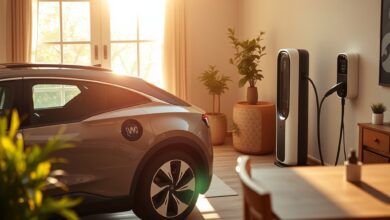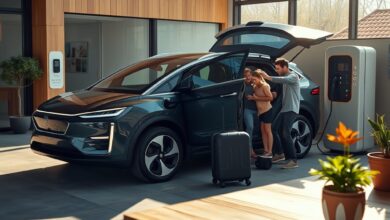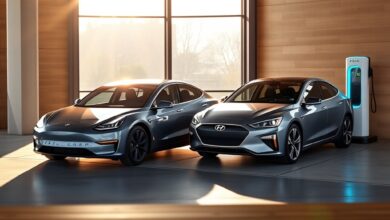

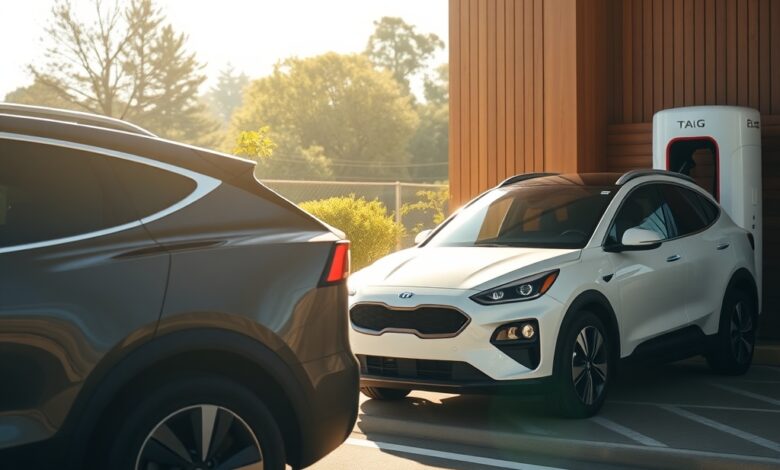
Electric SUVs are reshaping the family‑car market, and 2024 brings two standout options that promise to combine green credentials with everyday practicality. Whether you’re loading up the kids for a weekend road trip or navigating the daily school run, the search for the perfect family SUV often lands on a balance of range, space, safety tech, and price. The 2024 Tesla Model Y and Kia EV6 both claim to deliver that mix, but which one truly earns the badge of the best family SUV for today’s drivers? Let’s dive into performance, interior comfort, ownership costs, and real‑world usability to find out.
Why the 2024 Tesla Model Y and Kia EV6 Are Top Contenders in the Family SUV Segment
Both the Model Y and EV6 have been engineered with families in mind, offering roomy cabins, advanced driver‑assist systems, and electric powertrains that eliminate trips to the gas pump. Tesla’s brand recognition and expansive Supercharger network give it a head start, while Kia’s warranty and increasingly refined interior design make the EV6 a serious challenger. Understanding how each model aligns with the needs of a modern family SUV helps you decide which platform fits your lifestyle and budget.
Performance and Driving Experience
Acceleration and Handling
Performance isn’t just about straight‑line speed; it’s also about confidence when merging onto highways or navigating city traffic with children in the back seat.
- Tesla Model Y – Dual‑motor AWD delivers 0‑60 mph in approximately 4.8 seconds, providing brisk acceleration that feels effortless even when the vehicle is fully loaded.
- Kia EV6 – The GT‑Line version offers a 0‑60 time of about 5.2 seconds, while the standard rear‑wheel‑drive (RWD) model clocks in around 6.2 seconds. The chassis is tuned for a sportier feel, but still maintains a comfortable ride.
Both SUVs feature low centers of gravity thanks to floor‑mounted battery packs, which translates to stable cornering—an advantage when you need to make quick lane changes with kids in the car.
Range and Efficiency
Range anxiety is a real concern for families planning long trips, so understanding real‑world mileage is essential.
- Model Y – EPA‑rated 330 miles (Long Range) and 303 miles (Performance). Real‑world tests often show a slight drop in cold weather, but most owners still achieve 280‑300 miles per charge.
- EV6 – EPA‑rated 310 miles (RWD) and 274 miles (AWD). Kia’s 77.4 kWh battery delivers respectable efficiency, though high‑performance variants sacrifice a few miles of range.
Both models support fast charging: Tesla’s V3 Superchargers can add up to 200 miles in 15 minutes, while the EV6’s 800‑volt architecture can reach 80 % charge in roughly 18 minutes on a 350 kW charger.
Interior Space, Comfort, and Practicality for Families
Seating and Cargo Capacity
Family SUVs must accommodate car seats, strollers, and sports gear without compromising comfort.
- Model Y – Seats up to five, with an optional third‑row that is best suited for short trips or additional cargo. The rear cargo area offers 68 cubic feet with the rear seats folded, providing ample space for luggage.
- EV6 – Also a five‑seat layout, but its sloping roofline reduces headroom in the rear compared to the Model Y. However, the EV6 offers 50.2 cubic feet of cargo space behind the rear seats and 57.5 cubic feet with the seats folded, which is still generous for most family needs.
Tech and Safety Features
Modern families expect a suite of safety assists and infotainment options to keep everyone entertained and protected.
- Tesla – Autopilot (standard) and Full Self‑Driving (optional) provide adaptive cruise control, lane‑keeping, and automatic emergency braking. The 15‑inch central touchscreen controls climate, media, and navigation, while a secondary screen for rear‑seat passengers keeps kids occupied.
- Kia – Equipped with Highway Driving Assist 2 (HDA 2), blind‑spot monitoring, rear cross‑traffic alert, and a 12.3‑inch digital instrument cluster paired with an 11‑inch infotainment screen. Kia’s “Kid‑Mode” limits speed and volume, a handy feature for younger passengers.
Pricing, Incentives, and Ownership Costs
Purchase Price vs. Lease Options
Understanding the total cost of ownership is crucial for families budgeting for a new vehicle.
- Model Y – Starting MSRP at $49,990 (Long Range). Tesla offers limited traditional incentives, but federal tax credits may still apply depending on eligibility. Lease terms typically start around $499 per month for 36 months with 10,000 miles per year.
- EV6 – Starting MSRP at $45,495 (RWD). Kia frequently offers cash rebates up to $5,000 and qualifies for the federal EV tax credit of up to $7,500. Lease offers often begin near $399 per month for 36 months, 12,000 miles per year.
When comparing financing, families should calculate the “effective monthly cost” after incentives, tax credits, and any dealer discounts.
Charging Infrastructure and Maintenance
Both vehicles benefit from lower maintenance than gasoline SUVs, but charging logistics differ.
- Supercharger Network – Tesla’s proprietary network provides reliable, fast charging across the U.S., making long road trips straightforward for families.
- Public Fast‑Charging Networks – The EV6 can use any CCS‑compatible charger, giving owners flexibility but requiring a bit more planning to locate high‑power stations.
- Maintenance Savings – EVs have fewer moving parts. Expect lower routine service costs (no oil changes, fewer brake replacements due to regenerative braking). Tesla’s service centers are fewer in number, while Kia’s extensive dealer network offers more convenient service locations.
Comparison of 2024 Tesla Model Y vs Kia EV6 – Family SUV Showdown
Key Specification Comparison
| Model/Option | Starting Price | Range (EPA) | Seating Capacity | Cargo Space (ft³) | Key Feature | Best For |
|---|---|---|---|---|---|---|
| Tesla Model Y Long Range | $49,990 | 330 miles | 5 (optional 7) | 68 (folded) | Autopilot + Supercharger network | Tech‑savvy families seeking maximum range |
| Kia EV6 GT‑Line AWD | $55,795 | 274 miles | 5 | 57.5 (folded) | 800‑V fast charging, 5‑year/60,000‑mile warranty | Families valuing warranty coverage and sportier drive |
| Kia EV6 RWD | $45,495 | 310 miles | 5 | 50.2 (folded) | Lower price, solid range | Budget‑conscious families needing everyday practicality |
Which Family SUV Wins? Verdict and Buying Recommendations
Both the 2024 Tesla Model Y and Kia EV6 bring compelling attributes to the family SUV arena, but the ultimate decision hinges on your priorities.
- If range and a robust charging ecosystem are paramount, the Model Y’s longer EPA range and exclusive Supercharger network give it a clear advantage for cross‑country trips and families who charge on the go.
- If warranty peace of mind and lower upfront cost matter more, the EV6’s industry‑leading 10‑year/100,000‑mile powertrain warranty (in certain markets) and frequent dealer incentives make it a financially sensible choice.
- For tech enthusiasts, Tesla’s over‑the‑air updates and Full Self‑Driving capabilities keep the vehicle future‑proof, while Kia’s intuitive infotainment and “Kid‑Mode” provide a family‑centric tech experience without the premium price tag.
In real‑world family use, the Model Y edges ahead for long‑distance travel, whereas the EV6 shines for daily commuting, budget sensitivity, and warranty confidence. Test drive both models, consider your typical trip distances, and weigh the total cost of ownership—including potential tax credits—before making a final call.
Frequently Asked Questions
Is it better to lease or buy an electric family SUV?
Leasing can lower monthly payments and let you upgrade to newer technology every few years, which is appealing given rapid EV advancements. Buying, however, maximizes long‑term savings, especially when you can take advantage of federal tax credits and avoid mileage restrictions. Families who drive many miles annually may prefer buying to avoid excess‑mile penalties.
How much does a family SUV cost to charge at home?
Charging costs depend on local electricity rates. On average, a 75 kWh battery (like the Model Y) costs about $9–$12 per full charge in the U.S. This translates to roughly $0.03 per mile, dramatically cheaper than gasoline. Installing a Level 2 home charger may cost $500–$1,200, plus any electrical upgrades.
What safety ratings should I look for in a family SUV?
Check the NHTSA 5‑star overall rating and IIHS Top Safety Pick+ designation. Both the Model Y and EV6 have earned high marks, but verify the specific trim levels you’re considering, as safety features can vary.
Can I use public chargers while traveling with kids?
Yes. Most fast‑charging stations are located in shopping centers, restaurants, or rest stops, providing a convenient place for families to stretch, grab a snack, and let the vehicle charge. Tesla’s Superchargers often have amenities, while CCS stations (compatible with the EV6) may vary by location.
How does the warranty on the EV6 compare to Tesla’s?
Kia offers a 5‑year/60,000‑mile basic warranty plus a 10‑year/100,000‑mile powertrain warranty in many markets, covering the battery and drivetrain. Tesla provides an 8‑year/120,000‑mile battery and drive unit warranty for the Model Y, but its overall vehicle warranty is shorter (4 years/50,000 miles). Consider which coverage aligns with your expected ownership period.