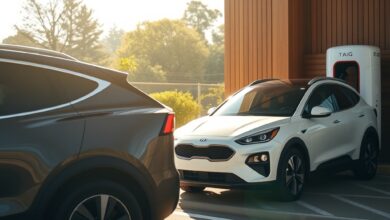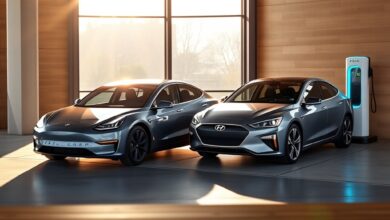

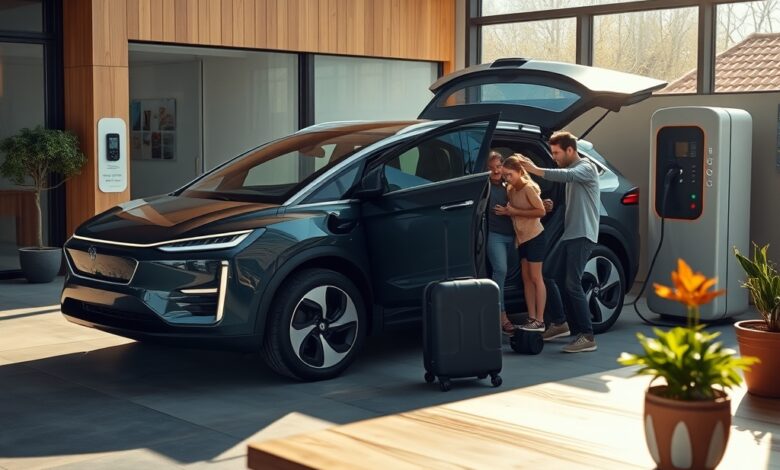
Electric SUVs are reshaping the family‑car market, offering the perfect blend of space, safety, and zero‑emission performance. As more parents seek greener travel without sacrificing practicality, the demand for affordable, adventure‑ready models has surged. In this guide we’ll explore why electric SUVs make sense for weekend getaways, school runs, and everything in between, and we’ll reveal the best options under $50,000 that won’t break the bank.
Why Electric SUVs Are the Ideal Choice for Family Adventures
Families need a vehicle that can handle everything from carpools to camping trips, and electric SUVs deliver on that promise. Their instant torque makes merging onto highways effortless, while the higher driving position gives parents a clear view of the road and kids feel safer perched up front. Moreover, the lower operating costs of an electric powertrain translate into savings that can be redirected toward family activities.
Key Benefits for Families
- Zero tailpipe emissions: Cleaner air for kids and a smaller carbon footprint.
- Spacious interiors: Three‑row seating or flexible cargo configurations for gear and groceries.
- Reduced fuel costs: Electricity is typically cheaper than gasoline, especially with home charging.
- Tax incentives: Federal and state credits can shave thousands off the sticker price.
- Future‑proof tech: Over‑the‑air updates keep infotainment and driver‑assist features current.
Top Electric SUVs Under $50,000 in 2024
Finding a family‑friendly electric SUV that stays under the $50k threshold can feel like hunting for a needle in a haystack, but several manufacturers have risen to the challenge. Below is a curated list of models that balance price, range, and practicality.
What to Look For When Choosing
- Real‑world range: Aim for at least 250 miles on a single charge to cover most daily trips plus a weekend outing.
- Charging speed: Look for DC fast‑charging capability of 150 kW or higher for quick pit stops.
- Seating flexibility: Sliding second‑row seats and a flat‑load floor make loading strollers and sports gear easier.
- Safety ratings: Verify 5‑star NHTSA scores and IIHS Top Safety Pick+ status.
- Warranty and service: A solid battery warranty (8 years/100,000 miles) protects long‑term ownership.
Comparison of Leading Models
| Model | Starting Price | EPA Range | Key Feature | Pros | Best For |
|---|---|---|---|---|---|
| Hyundai Ioniq 5 (Standard Range) | $44,950 | 260 miles | 800‑Volt architecture | Fast charging, spacious interior | Tech‑savvy families |
| Kia EV6 (Standard Range) | $45,795 | 274 miles | Flat floor design | Sporty handling, good cargo space | Active families |
| Volkswagen ID.4 Pro | $43,990 | 260 miles | Intuitive infotainment | Comfortable ride, strong warranty | Everyday commuters |
| Ford Mustang Mach‑E (Select) | $48,900 | 251 miles | Co‑Pilot 360 suite | Engaging drive, extensive dealer network | Performance‑oriented families |
| Chevrolet Bolt EUV | $38,795 | 247 miles | Super Cruise (optional) | Affordability, easy parking | Budget‑conscious families |
Performance, Range, and Practicality: What Matters Most
While price tags are important, families should prioritize real‑world performance and practicality. An electric SUV that feels sluggish or runs out of juice mid‑trip can quickly become a source of stress rather than joy.
Range Anxiety and Real‑World Driving
Range anxiety diminishes when you understand your typical driving patterns. Most families travel under 30 miles a day, leaving ample buffer for longer weekend trips. To maximize range:
- Use regenerative braking settings that suit your city traffic.
- Pre‑condition the cabin while the car is still plugged in.
- Plan routes with available fast‑charging stations using apps like PlugShare.
Cargo Space and Seating Flexibility
Electric SUVs often have a lower floor because there’s no traditional exhaust system, which translates into a flatter cargo area. Look for models that offer a 60/40 split‑folding rear seat, a sliding second row, and a generous 30‑inch cargo length with the rear seats down. These features make loading strollers, bike racks, or a weekend camping kit straightforward.
Financing and Incentives: Getting the Best Deal
Even with attractive MSRP figures, the total cost of ownership can vary widely based on financing choices and available incentives. Understanding these levers helps families secure the most value.
Leasing vs. Buying an Electric SUV
Leasing can be appealing for families who want to upgrade every few years and benefit from the latest battery tech. However, buying often yields better long‑term savings, especially when you factor in federal tax credits that apply only to the original purchaser.
- Leasing advantages: Lower monthly payments, warranty coverage for the entire lease term, ability to switch to newer models.
- Buying advantages: No mileage caps, equity buildup, eligibility for tax credits, and the option to keep the vehicle after the loan.
Federal, State, and Manufacturer Rebates
As of 2024, the federal Clean Vehicle Credit offers up to $7,500 for qualifying electric SUVs, provided the manufacturer meets certain sales caps. Many states add their own rebates, ranging from $1,000 to $5,000. Additionally, automakers often provide dealer‑level incentives such as $2,000 cash back or discounted home‑charging equipment.
Tip: Use a spreadsheet to stack incentives—federal credit, state rebate, and dealer cash—to see the true out‑of‑pocket cost before you walk onto the lot.
Future‑Proofing Your Family SUV
Electric SUVs are evolving rapidly. Investing in a model that can adapt to future technology ensures your family stays ahead of the curve.
Charging Infrastructure at Home and On the Road
Installing a Level 2 home charger (240 V) is the single most convenient upgrade for any electric SUV owner. It typically adds 25–30 miles of range per hour, meaning a full overnight charge is standard. For on‑the‑road trips, look for vehicles that support CCS fast charging at 150 kW or higher, which can add 80 miles in just 15 minutes.
- Check if your utility offers rebates for home charger installation.
- Consider a portable Level 1 charger for emergencies.
- Map out fast‑charging corridors along your most‑frequent routes.
Software Updates and Over‑The‑Air Improvements
Many electric SUVs now receive OTA updates that can enhance battery management, add new driver‑assist features, or improve infotainment UI. This means the vehicle you buy today can become more capable tomorrow without a dealership visit.
When evaluating a model, ask the dealer about the frequency of OTA updates and whether the automaker has a track record of delivering meaningful enhancements.
Practical Tips for Test‑Driving an Electric SUV
A test drive is your chance to verify that an electric SUV truly fits your family’s lifestyle. Bring the kids, a stroller, and a few grocery bags to simulate real‑world conditions.
- Check visibility from the driver’s seat—important for school‑run safety.
- Test the rear‑seat access—make sure a child can get in and out comfortably.
- Evaluate the infotainment system’s ease of use for passengers.
- Ask the dealer to demonstrate charging speed using a Level 2 charger.
Maintaining Your Electric SUV for Longevity
While electric SUVs have fewer moving parts than gasoline counterparts, regular maintenance still matters.
- Schedule battery health checks during service visits.
- Rotate tires every 6,000–8,000 miles to ensure even wear.
- Keep the high‑voltage coolant at the manufacturer‑recommended level.
- Update software whenever a new OTA version is released.
Resale Value Considerations
Electric SUVs retain value well, especially as demand for used EVs grows. To maximize resale price:
- Maintain a complete service record.
- Keep the original charging equipment.
- Preserve battery health by avoiding deep discharges and frequent fast charging when possible.
Insurance and Ownership Costs
Insurance for electric SUVs can be slightly higher due to repair costs for high‑tech components. Shop around and ask insurers about discounts for safety features, low‑mileage usage, and bundled home‑charging equipment coverage.
Environmental Impact Beyond Zero Emissions
Choosing an electric SUV also reduces your family’s overall carbon footprint when you factor in the lower lifecycle emissions of EV batteries compared to internal combustion engines. Pair your vehicle with renewable home energy for an even greener driving experience.
Community Resources for Electric SUV Owners
Many local clubs and online forums exist for EV owners. Joining a community can provide:
- Tips on the best charging spots in your area.
- Advice on DIY maintenance.
- Opportunities to share rides or organize family road trips.
Conclusion: The Smart Choice for Modern Families
Electric SUVs under $50,000 deliver a compelling mix of range, space, safety, and future‑ready technology that aligns perfectly with family needs. By focusing on real‑world performance, leveraging incentives, and planning for long‑term ownership, parents can confidently select a vehicle that supports both everyday chores and weekend adventures while contributing to a cleaner planet.
Frequently Asked Questions
Is it better to lease or buy an electric SUV for a growing family?
Leasing offers lower monthly payments and the ability to upgrade every few years, which can be attractive if you anticipate rapid changes in family size or want the latest tech. Buying, however, eliminates mileage limits, lets you take full advantage of federal tax credits, and builds equity, making it the better financial choice for most families planning to keep the vehicle for 5+ years.