
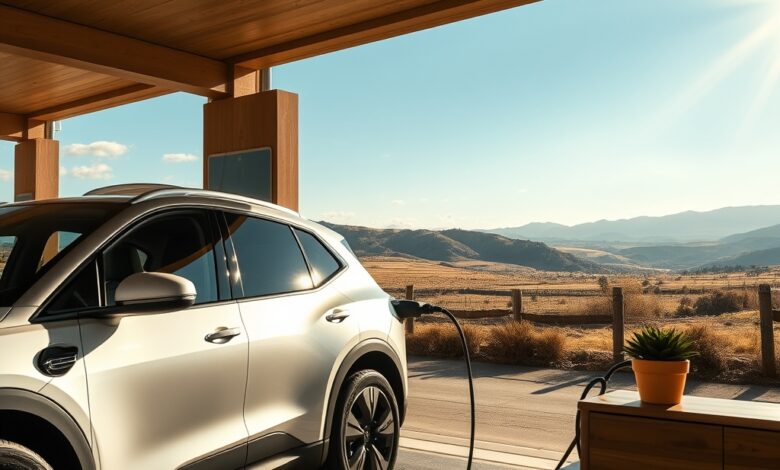
Key Factors to Consider When Choosing an Electric SUV
The market for electric SUVs is expanding rapidly, but not every model will suit a family’s road‑trip needs. Start by evaluating the range you’ll need for typical weekend getaways—most 2024 electric SUVs offer between 250 and 350 miles on a single charge, which is ample for a 300‑mile round‑trip with a buffer for detours.
Other critical criteria include interior space, cargo capacity, and third‑row seating options. Families often prioritize easy‑access rear doors, USB‑C ports for every passenger, and advanced driver‑assistance systems that reduce fatigue on long drives.
- Range vs. real‑world consumption: Look at EPA‑rated range, but also check independent tests for how temperature and speed affect mileage.
- Charging speed: A DC fast‑charge capability of 150 kW or higher can add 80 % charge in under 30 minutes, essential for quick pit stops.
- Safety ratings: Verify NHTSA and IIHS scores; many electric SUVs earn top marks for crash protection.
- Total cost of ownership: Factor in federal tax credits, state rebates, and lower fuel/maintenance costs.
Top 2024 Electric SUVs for Families
Below is a curated list of the best 2024 electric SUVs that blend range, space, and tech—all designed to make family road trips enjoyable and stress‑free. Each model is scored on range, interior practicality, and overall value.
1. Tesla Model Y
The Model Y remains a benchmark for electric SUVs, offering a sleek design, 330‑mile EPA range, and a minimalist cabin packed with a 15‑inch touchscreen. Its optional third‑row seats accommodate up to seven passengers, though the rear seats are best for children.
- Fast‑charging network: Supercharger V3 (250 kW)
- Standard Autopilot with optional Full Self‑Driving package
- Generous cargo space: 68 cu ft with seats folded
2. Ford Mustang Mach‑E (Extended‑Range AWD)
Ford’s Mustang Mach‑E brings a sporty heritage to the electric SUV segment. The extended‑range AWD version delivers 312 miles and a 0‑60 mph time under 5 seconds—plenty of power for highway merging.
- Fast‑charging up to 150 kW
- Co‑Pilot360 driver‑assist suite
- Family‑friendly interior with 28 cu ft cargo volume (up to 59 cu ft with rear seats down)
3. Hyundai Ioniq 5 (Long‑Range AWD)
The Ioniq 5 stands out with its futuristic “retro‑future” styling and 303‑mile range. Its 800‑V architecture enables 10‑minute DC fast charging to add roughly 100 miles, perfect for quick snack‑break recharges.
- Sliding rear doors for easy child‑seat access
- Dual‑screen cockpit with over‑the‑air updates
- Spacious interior: 59 cu ft cargo space
4. Kia EV6 (GT‑Line AWD)
Kia’s EV6 GT‑Line combines performance with practicality, offering 310 miles of range and a 0‑60 mph time of 5.2 seconds. The interior is designed with family comfort in mind, featuring reclining second‑row seats.
- Fast‑charging up to 240 kW (adds 80 % in 18 minutes)
- Advanced driver assistance (Highway Driving Assist 2)
- 59 cu ft cargo capacity
5. Volkswagen ID.4 (Pro S AWD)
The ID.4 Pro S delivers a comfortable ride and 275‑mile range, with a focus on practicality. Its understated design hides a roomy cabin that can comfortably seat five adults with ample legroom.
- Fast‑charging up to 125 kW
- IQ.Drive suite with adaptive cruise control
- 64.2 cu ft cargo space
6. Chevrolet Bolt EUV (2024 Refresh)
While technically a compact crossover, the refreshed Bolt EUV offers an accessible price point and a respectable 247‑mile range, making it a solid entry‑level option for families on a budget.
- Fast‑charging up to 100 kW
- Super Cruise hands‑free driving on compatible highways
- 52.5 cu ft cargo space
Comparison of 2024 Electric SUVs for Families
| Model | Starting Price | EPA Range | Fast‑Charge Rate | Key Family Feature | Best For |
|---|---|---|---|---|---|
| Tesla Model Y | $49,990 | 330 miles | 250 kW | Third‑row seats, Supercharger network | Tech‑savvy families |
| Ford Mustang Mach‑E | $48,500 | 312 miles | 150 kW | Spacious cargo, Co‑Pilot360 | Active families |
| Hyundai Ioniq 5 | $45,000 | 303 miles | 220 kW | Sliding doors, ultra‑fast 10‑min charge | Urban commuters |
| Kia EV6 | $46,500 | 310 miles | 240 kW | Reclining rear seats, GT‑Line styling | Performance‑oriented families |
| Volkswagen ID.4 | $42,000 | 275 miles | 125 kW | Large cargo area, comfortable ride | Budget‑conscious families |
| Chevrolet Bolt EUV | $30,500 | 247 miles | 100 kW | Super Cruise, affordable entry price | First‑time EV buyers |
Charging Infrastructure and Road‑Trip Planning
Even the best electric SUVs can fall short without a solid charging strategy. Families should map out charging stops before hitting the highway, using apps like PlugShare, ChargePoint, or the vehicle’s built‑in navigation.
Key considerations include:
- Location of fast‑chargers: Aim for stations located at rest areas, shopping centers, or restaurants where you can stretch your legs.
- Charging speed compatibility: Verify that the vehicle’s onboard charger can accept the station’s maximum kW; a 150 kW charger on a 100 kW‑limited car will not deliver full speed.
- Network membership: Some networks require a subscription (e.g., Electrify America), which can lower per‑kWh costs.
- Home charging: Install a Level 2 (240 V) charger; a 7.2 kW home unit can replenish a typical 75 kWh battery overnight, ensuring you start each day fully charged.
For a typical 300‑mile family trip, a strategic plan might look like this: depart with a full charge, drive 150 miles, stop at a 150 kW station for a 30‑minute top‑up (adding ~100 miles), then continue to the destination. This approach minimizes downtime and keeps the kids entertained.
Financing, Incentives, and Total Cost of Ownership
Purchasing an electric SUV involves more than the sticker price. Federal tax credits of up to $7,500, plus state rebates ranging from $1,000 to $5,000, can significantly lower the effective cost. Many manufacturers also offer special lease programs with low monthly payments and included maintenance.
When comparing financing options, keep these points in mind:
- Lease vs. Buy: Leasing often results in lower monthly payments and the ability to upgrade every 2–3 years, but you won’t own the vehicle at the end of the term. Buying lets you capitalize on long‑term savings from lower fuel and maintenance costs.
- Interest rates: Green auto loans may have preferential rates (as low as 2.9 % APR) compared to conventional auto loans.
- Depreciation: Electric SUVs tend to hold value well, especially models with strong brand recognition and a robust charging network.
- Insurance: Some insurers offer discounts for EVs due to their lower repair costs and advanced safety features.
Run a simple total‑cost calculator: take the after‑incentive purchase price, add estimated interest, subtract fuel savings (average $0.12/kWh vs. $3.50/gal gasoline), and factor in lower maintenance (e.g., no oil changes). Many families find the breakeven point occurs within 3–4 years of ownership.
Future Trends: What’s Next for Electric SUVs?
The electric SUV segment is set to evolve rapidly. By 2026, expect to see:
- Longer ranges: Battery energy density improvements aim to push EPA ratings beyond 400 miles.
- Integrated solar roofs: Early adopters like the upcoming Hyundai Ioniq 6 concept hint at trickle‑charging capabilities that can add a few miles per day.
- Advanced ADAS: Level 3 hands‑free driving on highways will become standard, reducing driver fatigue on long trips.
- Vehicle‑to‑grid (V2G) technology: Families could earn credits by feeding excess energy back to the grid during peak demand.
- More affordable models: Competition will drive prices down, making electric SUVs accessible to a broader audience.
Staying informed about these trends helps families make future‑proof decisions, ensuring that today’s purchase remains relevant as technology advances.
FAQ
Is it better to lease or buy an electric SUV for a growing family?
Leasing offers lower monthly payments and the flexibility to upgrade as newer models with longer range appear. However, buying lets you capitalize on federal tax credits, lower long‑term depreciation, and the ability to keep the vehicle beyond the typical 3‑year lease term, which can be more cost‑effective for families planning to keep the SUV for 5+ years.
How much does a typical electric SUV cost to charge on a road trip?
Charging costs vary by region, but the average U.S. price is about $0.13 per kWh. For a 75 kWh battery, a full charge costs roughly $9.75. If you add 150 miles (about 30 kWh) at a fast‑charging station, expect a cost of $4‑$5, depending on the network’s pricing.
What range is realistic for a family road trip in an electric SUV?
Most 2024 electric SUVs provide 250–350 miles of EPA‑rated range. Real‑world range may drop 10‑15 % in cold weather or at high speeds. Planning for a 200‑mile leg between fast‑