
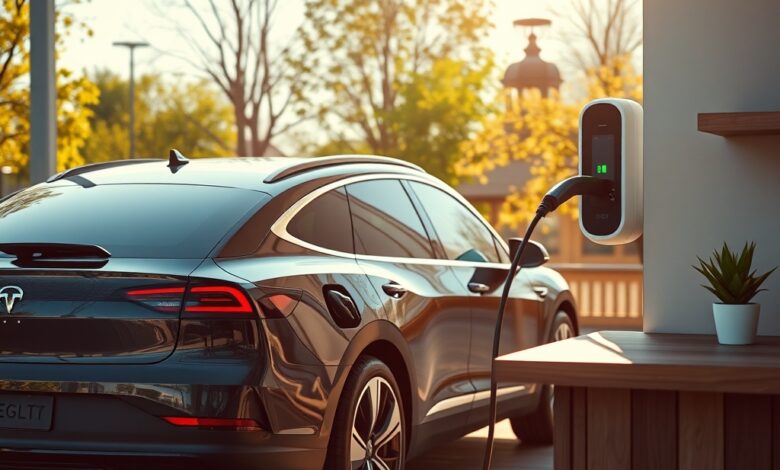
Why Electric SUVs Are the Future of Family Road Trips
The automotive world is undergoing a quiet revolution, and families are at the forefront of this change. Electric SUVs combine the spaciousness families need with zero‑emission powertrains that make long drives greener and cheaper. As charging networks expand and federal incentives linger, the decision to go electric is no longer a niche choice—it’s becoming the sensible default for modern households.
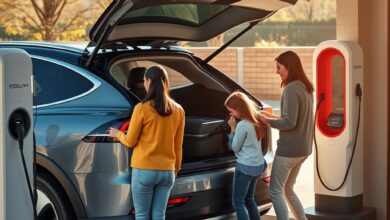
When you think about the next family vacation, imagine loading the kids, luggage, and gear into a quiet cabin that delivers instant torque, while the cost per mile stays well below that of a gasoline‑guzzler. This shift isn’t just about environmental stewardship; it’s about real‑world savings, convenience, and a driving experience that feels futuristic yet familiar.
Key Criteria for Choosing an Electric SUV
Before you dive into the list of 2025’s best models, it helps to know what to prioritize. Families have unique needs, and a good electric SUV should meet them without compromise.
Range and Real‑World Efficiency
Long road trips demand a comfortable buffer beyond the EPA‑rated range. Look for an SUV that offers at least 250 miles of real‑world range, factoring in climate control, cargo load, and highway speeds.
Seating and Cargo Flexibility
- Three‑row seating for larger families.
- Flat‑folding rear seats for bulky luggage.
- Adjustable cargo floor to accommodate pet carriers or sports equipment.
Charging Speed and Accessibility
Fast‑charging capability (150 kW or higher) can add 80 % charge in under 30 minutes—a crucial factor when you’re stopping at a rest area. Also, check the availability of DC fast‑charging stations along your typical routes.
Safety and Driver‑Assistance Features
Families prioritize safety above all. Look for Level 2 or Level 3 driver‑assist suites, automatic emergency braking, blind‑spot monitoring, and high NHTSA/IIHS safety scores.
Price, Incentives, and Total Cost of Ownership
While the sticker price of an electric SUV can be higher than a comparable gas model, federal tax credits, state rebates, and lower fuel and maintenance costs often close the gap within a few years.
Top 2025 Electric SUVs for Families
The 2025 lineup brings a mix of established players and fresh contenders, each promising a blend of range, space, and technology. Below is a quick snapshot of the most compelling options.
Comparison of 2025 Electric SUVs for Families
| Model | Starting Price | EPA Range | Seating Capacity | Key Feature | Best For |
|---|---|---|---|---|---|
| Ford Mustang Mach‑E 4‑Row | $49,990 | 285 miles | 7 | Extended battery pack, family‑friendly infotainment | Tech‑savvy families needing extra seats |
| Volkswagen ID.6 X | $52,500 | 300 miles | 7 | Panoramic roof, integrated solar roof panel | Eco‑conscious travelers |
| Hyundai Ioniq 6 SUV | $48,750 | 310 miles | 6 | 800 V ultra‑fast charging, spacious interior | Long‑distance road trippers |
| Kia EV9 | $55,200 | 280 miles | 7 | Modular interior, advanced ADAS | Families needing versatile cargo solutions |
| Mercedes‑EQ EQB 350 | $58,900 | 260 miles | 7 | Luxury cabin, MBUX infotainment | Premium‑oriented households |
| Rivian R1S | $71,500 | 320 miles | 7 | Off‑road capability, quad‑motor system | Adventure‑seeking families |
Model Highlights
Ford Mustang Mach‑E 4‑Row offers a familiar brand name with a new three‑row layout, making it a solid entry point for families transitioning from sedans. Its 285‑mile range is respectable, and the infotainment system includes multiple USB‑C ports—essential for keeping kids’ devices charged.
Volkswagen ID.6 X stands out with a solar roof that can add up to 2 miles of range per hour of sunlight, a modest but handy boost on sunny highway stretches. The interior feels airy thanks to the panoramic glass roof.
Hyundai Ioniq 6 SUV leverages an 800 V architecture, allowing 80 % charge in just 18 minutes at a 350 kW station. Its sleek crossover silhouette disguises a surprisingly roomy cabin.
Kia EV9 brings a boxy, rugged aesthetic and a modular interior that can be reconfigured for strollers, bikes, or a pet crate without sacrificing passenger comfort.
Mercedes‑EQ EQB 350 blends luxury with practicality, offering high‑grade materials, ambient lighting, and a sophisticated driver‑assist suite that eases highway fatigue.
Rivian R1S is the most expensive option but justifies its price with genuine off‑road prowess, a robust towing capacity, and a 320‑mile range that rivals many sedans.
Real‑World Ownership Costs and Incentives
Buying an electric SUV is more than a one‑time expense; it’s a long‑term financial decision. Understanding the total cost of ownership (TCO) helps families avoid unpleasant surprises.
Fuel Savings vs. Electricity Rates
- Average gasoline price (2025): $3.65 per gallon.
- Average electricity cost (U.S. residential): $0.14 per kWh.
- Typical electric SUV efficiency: 3.5 miles per kWh.
At these rates, driving 15,000 miles per year translates to roughly $420 in electricity versus $1,900 in gasoline—a $1,480 annual saving.
Maintenance Advantages
Electric powertrains have fewer moving parts, which reduces routine maintenance. Expect to skip oil changes, spark plug replacements, and many belt services. Typical annual maintenance for an electric SUV can be $300–$500, compared to $900–$1,200 for a gasoline SUV.
Tax Credits and Rebates
Federal tax credit: Up to $7,500 for qualifying models (subject to phase‑out). State incentives vary; for example, California offers a $2,000 rebate for low‑income households. Many utilities also provide home‑charging station rebates ranging from $200 to $500.
Depreciation Trends
Historically, EVs depreciated faster due to battery‑technology uncertainty. However, 2025 data shows a slowdown, with electric SUVs holding 70 % of their value after three years—thanks to improving battery warranties (8‑year/100,000‑mile) and rising consumer demand.
Charging Solutions for Road Trips
Even the best‑range electric SUV can benefit from a well‑planned charging strategy. Here’s how families can keep the journey smooth.
Home Base Charging
- Install a 240 V Level 2 charger (32 A or higher) in the garage.
- Schedule charging during off‑peak hours to reduce electricity bills.
- Use smart‑charging apps to monitor battery health and set departure‑time targets.
Public Fast‑Charging Networks
Major networks—Electrify America, ChargePoint, and Tesla Supercharger (via adapter)—cover most interstate corridors. When planning a trip, use apps like PlugShare or A Better Route Planner to locate stations, check real‑time availability, and estimate charging time.
Strategic Stop Planning
- Target stops at 20‑minute fast‑charge intervals to add 80‑100 miles.
- Combine charging with meal breaks or bathroom stops to maximize productivity.
- Keep a backup plan: identify at least two alternative stations within a 10‑mile radius.
Emergency Charging Options
Portable Level 2 chargers (e.g., JuiceBox Pro) can be a lifesaver if you’re stuck at a hotel without a dedicated EV charger. While slower than DC fast chargers, they can top up enough range for a short detour.
Future Trends Shaping Electric SUVs
The electric SUV segment is still evolving, and several upcoming developments promise to make family road trips even more convenient.
Solid‑State Batteries
By 2027, several manufacturers aim to launch solid‑state cells offering 20‑30 % higher energy density and faster charging (up to 500 kW). This could push real‑world ranges beyond 400 miles, effectively eliminating range anxiety for most families.
Vehicle‑to‑Load (V2L) Capability
Features that allow the SUV’s battery to power external devices—camping equipment, portable fridges, or even a small house—are becoming standard. Kia’s EV9 already offers a 3.6 kW V2L outlet, making it a mobile power hub for outdoor adventures.
Integrated Solar Roofs
Solar panels integrated into the roof can add 5–10 miles of range per day, enough to offset city commuting or keep auxiliary systems running on long trips without extra charging stops.
Advanced Driver‑Assistance for Long‑Haul Comfort
Level 3 hands‑off highway driving is expected to become legal in more states by 2026. Families will benefit from reduced driver fatigue, especially on monotonous interstate stretches.
Subscription and Flex‑Lease Models
Automakers are experimenting with subscription services that bundle the vehicle, insurance, maintenance, and charging into a single monthly fee. This model can simplify budgeting for families who prefer predictable expenses.
Smart Grid Integration
Future charging stations will communicate with the grid to charge during low‑demand periods automatically, further lowering electricity costs and supporting renewable energy adoption.
Conclusion: Choosing the Right Electric SUV for Your Family
When evaluating the top 2025 electric SUVs, consider the balance of range, seating flexibility, charging speed, and total cost of ownership. A model like the Hyundai Ioniq 6 SUV offers an impressive range and ultra‑fast charging, while the Kia EV9 provides modular interior space that adapts to changing family needs. Incentives and lower operating costs can offset the higher upfront price, delivering long‑term savings and a greener footprint.
By planning your charging strategy, leveraging available rebates, and staying informed about emerging technologies, you can confidently select an electric SUV that turns every family road trip into a smooth, enjoyable, and sustainable experience.
Frequently Asked Questions
Is it better to lease or buy an electric SUV for a growing family?
Leasing offers lower monthly payments and the flexibility to upgrade to newer technology every 3‑4 years—ideal if you anticipate rapid changes in family size or want the latest battery improvements. Buying, however, maximizes long‑term savings, especially when you plan to keep the vehicle for 8‑10 years and take advantage of federal tax credits and lower maintenance costs.