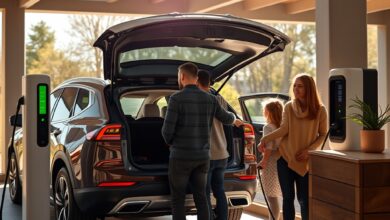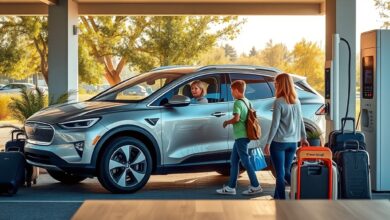

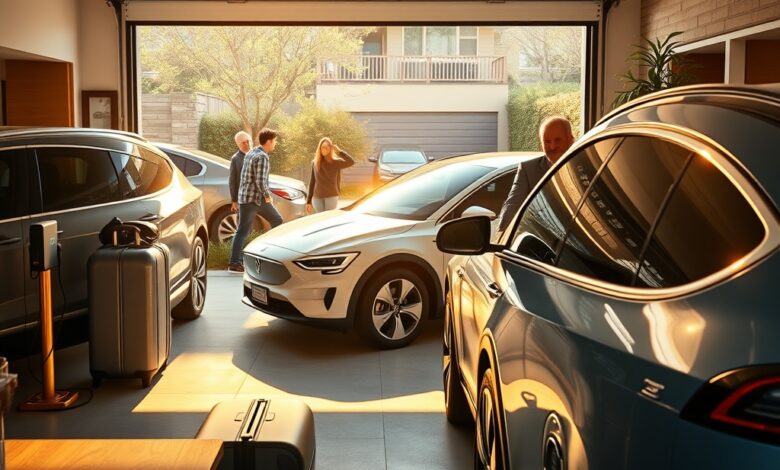
The automotive world is in the midst of a quiet revolution, and families are at the forefront of this change. As electric SUVs become more affordable, the dream of a spacious, zero‑emission vehicle is no longer reserved for early adopters with deep pockets. Whether you’re shuttling kids to school, loading gear for weekend adventures, or simply looking to reduce your carbon footprint, the right electric SUV can deliver practicality, performance, and peace of mind—all without breaking the $50,000 budget.
Why Electric SUVs Are the Perfect Family Choice
Electric SUVs combine the best of two worlds: the roomy interior and higher driving position that families love, with the clean‑energy benefits of an EV. The instant torque of electric motors makes merging onto highways and navigating city traffic smoother, while the lower center of gravity improves handling—a boon for drivers who often juggle cargo and passengers.
Beyond the driving experience, electric SUVs offer lower operating costs. Charging at home is typically cheaper than refueling with gasoline, and many utilities provide time‑of‑use rates that further cut expenses. Additionally, federal and state incentives can shave thousands off the sticker price, making a $50k budget stretch even further.
Key Criteria for Selecting an Electric SUV Under $50k
Before you dive into specific models, it’s essential to define the criteria that matter most for family use. Below are the top factors to evaluate when hunting for an electric SUV that balances cost, capability, and convenience.
Range and Real‑World Driving Needs
- Daily commute distance: Calculate the average miles you drive each day. Most families will be comfortable with a 200‑250‑mile EPA range, which covers typical weekday trips plus occasional weekend getaways.
- Cold‑weather performance: Battery efficiency can drop 10‑20% in winter. Look for models with thermal management systems that maintain range in low temperatures.
Interior Space and Versatility
- Third‑row seating or flexible cargo configurations are a must for larger families.
- Easy‑to‑clean upholstery (e.g., leather‑ette or durable fabric) helps manage spills and pet hair.
- Integrated USB‑C ports and rear‑seat entertainment options keep kids occupied on longer trips.
Charging Infrastructure and Home Setup
- Check whether the vehicle supports Level 2 (240 V) charging at home; most models under $50k do.
- Consider the availability of fast‑charging networks (e.g., Electrify America, ChargePoint) along your common routes.
- Some manufacturers bundle a home charger in the purchase price, adding extra value.
Safety and Driver‑Assistance Features
- Look for standard advanced driver‑assistance systems (ADAS) such as adaptive cruise control, lane‑keep assist, and automatic emergency braking.
- Check crash‑test ratings from NHTSA and IIHS; families should prioritize top scores.
Total Cost of Ownership (TCO)
- Factor in federal tax credit (up to $7,500) and any state rebates.
- Estimate insurance premiums; EVs can be slightly higher but many insurers offer discounts for low‑emission vehicles.
- Consider maintenance savings—electric drivetrains have fewer moving parts than gasoline engines.
Top Electric SUVs Under $50,000 in 2024
After applying the criteria above, several models emerge as strong contenders for families seeking value, range, and practicality. Below is a curated list of electric SUVs that currently retail for $50,000 or less, including key specifications and family‑friendly features.
Comparison of Best Electric SUVs for Families
| Model | Starting Price | EPA Range | Seating Capacity | Key Family Feature | Pros | Best For |
|---|---|---|---|---|---|---|
| Hyundai Kona Electric | $42,500 | 258 miles | 5 | Easy‑to‑use infotainment with Apple CarPlay/Android Auto | Excellent range for price, solid warranty | Urban families needing compact size |
| Kia Niro EV | $41,990 | 239 miles | 5 | Spacious cargo floor and 64‑GB interior storage | Smooth ride, generous standard safety tech | First‑time EV buyers |
| Volkswagen ID.4 Pro | $44,995 | 260 miles | 5 | Rear‑seat USB‑C ports and optional third‑row | Balanced performance, roomy cabin | Families prioritizing comfort |
| Ford Mustang Mach‑E (Base) | $49,995 | 230 miles | 5 | SYNC 4A with over‑the‑air updates | Sporty handling, strong brand appeal | Active families who love performance |
| Chevrolet Bolt EUV | $38,795 | 247 miles | 5 | Super Cruise hands‑free driving on highways | Affordably priced, good warranty | Budget‑conscious families |
While each of these electric SUVs meets the sub‑$50k threshold, they differ in size, tech, and driving dynamics. Below we break down the standout attributes of each model to help you match a vehicle to your family’s lifestyle.
Hyundai Kona Electric: Compact Yet Capable
The Kona Electric offers a surprising 258‑mile range, making it suitable for most daily commutes and weekend trips. Its 64‑kWh battery delivers consistent power, and the interior includes a 10.25‑inch touchscreen that’s intuitive for both drivers and passengers. Families will appreciate the generous cargo space—up to 45.8 cubic feet with the rear seats folded.
Family tip: Pair the Kona with Hyundai’s complimentary 10‑year/100,000‑mile powertrain warranty for added peace of mind.
Kia Niro EV: Practicality Meets Value
Kia’s Niro EV blends a crossover’s practicality with an electric drivetrain. The 239‑mile range is adequate for most regional trips, and the cabin features a large 10.25‑inch display that integrates seamlessly with smartphones. The Niro’s low loading height makes loading strollers and groceries effortless.
Family tip: Take advantage of Kia’s “Kia Access” program, which provides a free home charger with most purchases.
Volkswagen ID.4 Pro: The Family‑Friendly Flagship
The ID.4 Pro stands out for its spacious interior and smooth ride. With a 260‑mile EPA range and an optional third‑row seat (available in select markets), it can accommodate up to seven passengers—ideal for larger families. The “IQ.Drive” suite of driver‑assistance features includes adaptive cruise control and lane‑centering, reducing fatigue on long drives.
Family tip: Use Volkswagen’s “We Charge” network, which offers discounted fast‑charging rates for ID.4 owners.
Ford Mustang Mach‑E (Base): Performance‑Oriented Family SUV
For families that crave a sportier feel, the base Mustang Mach‑E delivers 230 miles of range and a 0‑60 mph time of just 5.8 seconds. Its bold styling and powerful acceleration make highway merging a breeze. Inside, the 15.5‑inch vertical touchscreen offers a modern interface, and the optional “Family Pack” adds rear‑seat entertainment screens.
Family tip: Ford’s “Blue Advantage” program can bundle a home charger and free public charging for the first year.
Chevrolet Bolt EUV: Budget‑Friendly with Advanced Tech
The Bolt EUV is the most affordable entry in this list, yet it doesn’t skimp on technology. With a 247‑mile range, it comfortably handles most daily needs. Super Cruise, Chevrolet’s hands‑free driving system, works on compatible highways—a rare feature at this price point.
Family tip: Chevrolet’s “e‑Boost” financing offers low‑interest rates for qualified buyers, making ownership even more accessible.
Financing and Incentives: Getting the Best Deal on an Electric SUV
Even with a $50,000 cap, the total out‑of‑pocket cost can be significantly lower when you leverage financing options and government incentives. Below are strategies to stretch your budget further.
Federal Tax Credit and State Rebates
- The federal EV tax credit can provide up to $7,500, but it phases out once a manufacturer reaches 200,000 qualifying sales. As of 2024, most models on this list still qualify.
- State-specific rebates vary widely—California offers up to $2,000 for low‑income buyers, while New York’s “Drive Clean” rebate adds $2,000 for eligible vehicles.
- Check your local utility company; many provide additional rebates or reduced electricity rates for home charging installations.
Leasing vs. Buying: Which Is Smarter for Families?
Leasing an electric SUV can be attractive because it often includes maintenance coverage and allows you to upgrade to newer technology after 36 months. However, buying may be more cost‑effective over the long term, especially if you plan to keep the vehicle for 8+ years and benefit from lower depreciation rates for EVs.
Consider the following when deciding:
- Annual mileage: Leases typically limit you to 10,000‑15,000 miles per year. Exceeding this can incur costly penalties.
- Incentive eligibility: Some state rebates are only available for outright purchases, not leases.
- Resale value: EVs retain value well, especially as demand for used electric SUVs grows.
Low‑Interest Financing Options
Many automakers partner with banks to offer 0% APR for qualified buyers. Additionally, credit unions often provide competitive rates for EV purchases. When comparing offers, calculate the APR, loan term, and any origination fees to determine the true cost.
Future‑Proofing Your Family EV: Maintenance, Charging, and Resale
Choosing an electric SUV is only the first step; ensuring it remains reliable and cost‑effective over years of family use is equally important. Below are best practices for maintaining your EV, optimizing charging habits, and protecting resale value.
Routine Maintenance Checklist
- Battery health monitoring: Most EVs provide on‑board diagnostics. Schedule a battery health check at least once per year.
- Brake regeneration: Regenerative braking reduces wear, but you should still inspect brake pads annually.
- Tire rotation: Heavy vehicle weight can cause uneven tire wear. Rotate every 6,000–8,000 miles.
- Coolant system service: Some models use liquid‑cooled batteries; follow manufacturer intervals for coolant replacement.
Smart Charging Practices
Charging at home overnight on a Level 2 charger (240 V) is the most convenient and cost‑effective method. To extend battery longevity, aim to keep the state‑of‑charge (SOC) between 20% and 80% for daily use. Reserve 100% charging for long trips only.
Public fast chargers are great for road trips, but frequent use can accelerate battery degradation. Use them sparingly and plan routes that include Level 2 stops when possible.
Maximizing Resale Value
- Maintain a detailed service record—buyers value