
Why Electric SUVs Are the Smart Choice for Modern Families
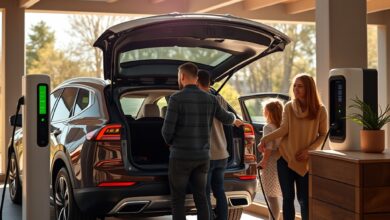
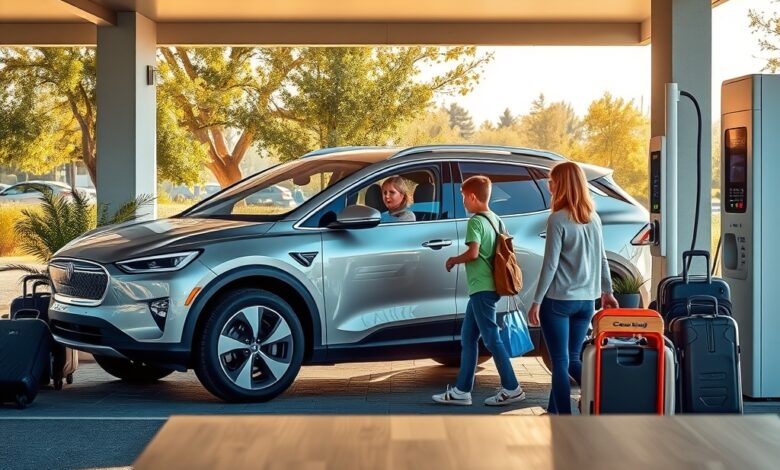
The automotive landscape is undergoing a rapid electrification, and families are at the forefront of this shift. Electric SUVs combine the practicality of a spacious crossover with the environmental and cost benefits of a battery‑electric powertrain. Parents appreciate the quiet cabin, instant torque for school‑run errands, and the growing network of fast chargers that make long road trips less stressful. As governments tighten emissions standards, an electric SUV not only future‑proofs your purchase but also positions you to take advantage of generous tax credits and incentives.
Key Criteria to Evaluate When Shopping for an Electric SUV
Choosing the right family vehicle involves more than just picking the model with the longest advertised range. Below are the essential factors that should guide every decision, ensuring you get a vehicle that fits your lifestyle, budget, and long‑term expectations.
Range and Battery Capacity
Range anxiety is still a real concern for many buyers, especially when transporting children and gear. Look for an electric SUV that offers at least 250 miles of EPA‑estimated range on a single charge; this provides a comfortable buffer for daily commutes and weekend getaways.
- Consider the usable battery capacity (kWh) versus the total pack size.
- Check real‑world range reports from owners in similar climates.
- Factor in the impact of HVAC use, cargo load, and driving style on effective range.
Space, Seating, and Cargo Flexibility
Family comfort hinges on interior versatility. An electric SUV should comfortably seat three rows or provide ample second‑row legroom with easy‑to‑fold third‑row seats.
- Measure cargo volume with seats up and down to ensure it meets your weekly grocery runs and sports equipment needs.
- Look for sliding second‑row benches that adjust for passenger comfort versus cargo space.
- Check for power‑folding seats that simplify reconfiguring the cabin on the go.
Safety and Driver‑Assistance Tech
Safety is non‑negotiable for families. Modern electric SUVs often come equipped with advanced driver‑assistance systems (ADAS) that can reduce the likelihood of collisions.
- Look for Level 2+ features such as adaptive cruise control, lane‑centering, and automatic emergency braking.
- Verify crash‑test ratings from NHTSA and IIHS for each model.
- Consider additional family‑friendly tech like rear‑seat reminder alerts and cabin cameras.
Top Electric SUVs for Families in 2025
Manufacturers have responded to the demand for spacious, efficient EVs with a robust lineup of family‑oriented electric SUVs. Below is a curated selection of the best options available in 2025, each balancing range, interior space, safety, and price.
Comparison of Leading Family‑Friendly Electric SUVs
| Model | Starting Price | EPA Range | Seating Capacity | Key Family Feature | Best For |
|---|---|---|---|---|---|
| Tesla Model Y | $49,990 | 330 miles | 7 (optional third row) | Extensive Supercharger network | Tech‑savvy families |
| Ford Mustang Mach‑E 4‑Row | $52,500 | 300 miles | 7 | Spacious third‑row with easy access | Active families needing cargo space |
| Volkswagen ID.4 GTX | $46,200 | 275 miles | 5 | Performance‑oriented dual‑motor system | Families who love spirited driving |
| Hyundai Ioniq 6 SUV (concept) | $48,800 | 340 miles | 7 | Advanced safety suite with driver monitoring | Safety‑first households |
| Kia EV9 | $55,000 | 310 miles | 7 | Modular interior with removable seats | Families needing flexible interior layouts |
| Volvo XC40 Recharge | $54,950 | 260 miles | 5 | Scandinavian safety design and premium interior | Luxury‑oriented families |
Tesla Model Y
The Model Y remains a benchmark for electric SUVs thanks to its impressive 330‑mile range and a robust software ecosystem. Families benefit from the optional third row, which folds flat to create a cargo area large enough for strollers and sports gear. Tesla’s over‑the‑air updates continuously improve battery efficiency and add new safety features, making the vehicle feel fresh year after year.
Ford Mustang Mach‑E 4‑Row
Ford’s answer to the growing demand for a true three‑row electric SUV, the Mach‑E 4‑Row offers a respectable 300‑mile range and a spacious cabin that rivals many gasoline‑powered midsize SUVs. The interior is designed with families in mind, featuring a large panoramic roof that keeps the rear seats bright and a user‑friendly infotainment system that supports multiple user profiles.
Volkswagen ID.4 GTX
While the ID.4 GTX is marketed as a sportier variant, it still delivers ample interior space and a 275‑mile range that suits most daily needs. Its dual‑motor all‑wheel‑drive system provides confident handling in inclement weather, a valuable trait for families living in regions with snow or rain.
Hyundai Ioniq 6 SUV (concept)
Hyundai’s upcoming Ioniq 6 SUV concept pushes the envelope with a projected 340‑mile range and a next‑generation safety suite that includes interior cameras to monitor driver attentiveness. The modular seating allows parents to quickly transform the cabin from passenger mode to cargo‑heavy mode, an advantage for weekend trips.
Kia EV9
The Kia EV9 stands out for its bold design and highly configurable interior. With a 310‑mile range, it comfortably handles long journeys. Its removable second‑row seats let families create a flat load floor for bulky items, while the third row folds into the floor when not needed, preserving interior space.
Volvo XC40 Recharge
Volvo continues its legacy of safety with the XC40 Recharge, offering a 260‑mile range paired with a comprehensive suite of driver‑assist technologies. The interior features premium materials and a clean Scandinavian aesthetic that appeals to families who value both safety and style.
Financing and Ownership Strategies for Electric SUVs
Purchasing an electric SUV is a significant financial decision, and the right financing plan can dramatically affect total cost of ownership. Below are the most common approaches, along with tips for maximizing savings.
Buying vs. Leasing an EV SUV
Both options have merits, but families should weigh the following considerations:
- Buying: Higher upfront cost but you own the vehicle outright, allowing you to benefit from long‑term savings on fuel and maintenance. Ownership also lets you take advantage of federal tax credits that may be applied to the purchase price.
- Leasing: Lower monthly payments and the ability to upgrade to a newer model every 2–3 years. However, lease contracts often impose mileage limits (typically 10,000–15,000 miles per year), which can be restrictive for families who travel frequently.
- Check whether the lease includes a “green lease” incentive—some manufacturers offer reduced rates for electric vehicles.
Incentives, Tax Credits, and State Rebates
In 2025, the federal tax credit for qualifying EVs can be up to $7,500, but it phases out once a manufacturer sells 200,000 units. Many states also provide additional rebates, reduced registration fees, or access to HOV lanes. To capture these benefits:
- Confirm the vehicle’s eligibility for the federal credit before signing a contract.
- Visit your state’s department of transportation website for local incentive programs.
- Ask the dealer to apply any applicable rebates at the point of sale to lower your out‑of‑pocket cost.
Future‑Proofing Your Family’s Mobility
Investing in an electric SUV is not just about today’s needs; it’s about preparing for the evolving automotive ecosystem. Below are the key areas families should address to ensure a seamless transition to electric mobility.
Charging Infrastructure at Home and on the Road
Home charging is the most convenient way to keep an electric SUV ready for daily use. A Level 2 (240‑volt) charger can replenish a typical 75 kWh battery in 8–10 hours, perfect for overnight charging.
- Install a dedicated circuit with a certified electrician to avoid overloads.
- Consider a smart charger that integrates with your home energy management system, allowing you to charge during off‑peak hours for lower electricity rates.
- For road trips, map out fast‑charging stations along your route using apps like PlugShare or the vehicle’s built‑in navigation.
Software Updates and Over‑the‑Air Improvements
One of the biggest advantages of modern electric SUVs is the ability to receive over‑the‑air (OTA) updates. These updates can enhance range, improve battery management, and add new driver‑assist features without a visit to the dealership.
- Keep the vehicle’s software current to benefit from efficiency gains.
- Check the manufacturer’s update schedule; some brands release quarterly improvements.
- Ensure your Wi‑Fi or cellular connection is active, especially when the vehicle is parked at home.
Practical Tips for a Smooth Transition to an Electric SUV
Switching from a gasoline‑powered SUV to an electric one involves lifestyle adjustments. Below are actionable steps to make the transition effortless for the whole family.
- Plan a “test‑drive day” where each family member experiences the vehicle’s acceleration, cabin noise level, and infotainment system.
- Set up a charging schedule that aligns with your household’s electricity usage patterns.
- Enroll in your automaker’s owner portal to monitor battery health, schedule service appointments, and access warranty information.
- Educate teenage drivers on efficient driving habits, such as gentle acceleration and regenerative braking, to maximize range.
Resale Value and Long‑Term Considerations
Electric SUVs are retaining value better than many expected, thanks to growing demand and limited supply of used EVs. When planning to sell or trade‑in your vehicle:
- Maintain detailed charging and service records to reassure prospective buyers.
- Keep the battery warranty active; most manufacturers offer an 8‑year or 100,000‑mile battery guarantee.
- Consider the vehicle’s eligibility for future software updates, as this can significantly affect resale appeal.
Environmental Impact and Family Legacy
Choosing an electric SUV reduces your household’s carbon footprint and sets a positive example for younger generations. According to recent lifecycle