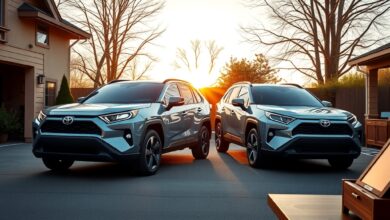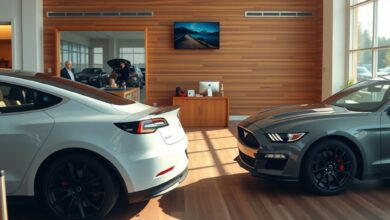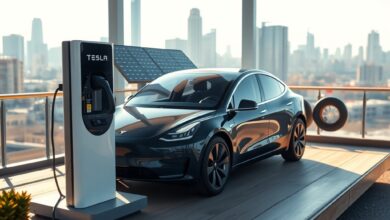

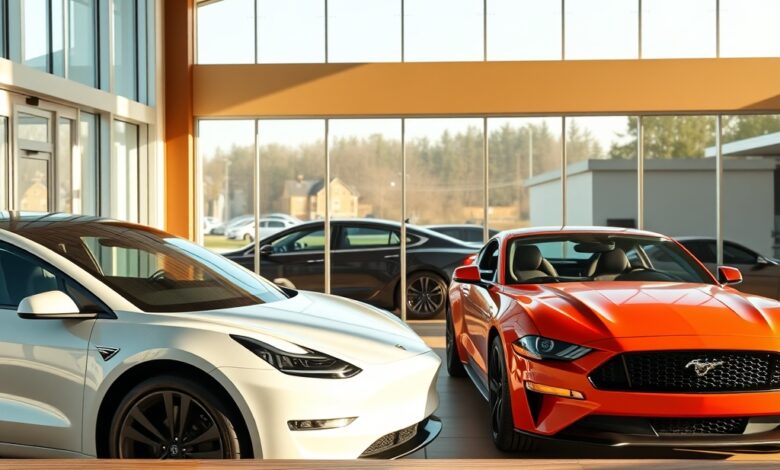
Electric power is no longer a niche curiosity; it’s reshaping the way families think about daily transportation. When you’re hunting for a family SUV that blends eco‑friendly performance with everyday practicality, the 2024 Tesla Model Y and the 2024 Ford Mustang Mach‑E sit at the top of the conversation. Both models promise zero‑emission driving, but they diverge in design philosophy, interior space, and ownership costs. In this showdown we’ll break down every factor that matters to families—from cargo capacity and child‑seat compatibility to charging infrastructure and long‑term depreciation—so you can decide which family SUV truly fits your lifestyle and budget.
Performance and Real‑World Range for Family SUVs
Range anxiety still haunts many prospective EV buyers, especially those who need a reliable vehicle for school runs, weekend trips, and occasional road trips. Understanding how each model delivers power and mileage under real‑world conditions is essential.
Tesla Model Y: Acceleration Meets Efficiency
- EPA‑rated range: Up to 330 miles (Long‑Range AWD)
- 0‑60 mph: 4.8 seconds (Performance trim)
- Energy consumption: 28 kWh/100 mi, translating to lower charging costs per mile.
The Model Y’s aerodynamic silhouette and dual‑motor setup give it a brisk acceleration that feels more like a sports sedan than a typical family SUV. Its efficient powertrain also means you’ll spend less time at the charger during weekly commutes.
Ford Mustang Mach‑E: Balanced Power with a Rugged Edge
- EPA‑rated range: 260‑300 miles depending on battery pack and drivetrain.
- 0‑60 mph: 5.8 seconds (GT Performance)
- Energy consumption: 30‑33 kWh/100 mi, slightly higher than the Model Y.
The Mach‑E’s optional extended‑range battery pushes its mileage close to the Model Y’s, while the GT Performance model adds a thrilling exhaust note and a sport‑tuned suspension that families who love a little excitement will appreciate.
What This Means for Daily Family Use
- Both SUVs comfortably cover the average American family’s weekly driving distance (≈250 mi) on a single charge.
- If you frequently travel longer distances, the Model Y’s superior range gives you a larger safety buffer.
- The Mach‑E’s slightly higher consumption can be offset by Ford’s extensive network of fast‑charging stations, especially along the East Coast.
Interior Space, Comfort, and Practical Features for Family SUVs
When you’re loading up car seats, strollers, sports gear, and groceries, interior flexibility becomes a deciding factor. Let’s see how each vehicle accommodates the everyday chaos of family life.
Seating Layout and Cargo Capacity
- Tesla Model Y: Standard five‑seat configuration with a 68‑inch rear‑seat legroom. The rear seats fold flat, delivering up to 68 cu ft of cargo space.
- Ford Mustang Mach‑E: Five‑seat layout with slightly more rear‑legroom (70 inches). The rear seats also fold 60/40, offering up to 59 cu ft of cargo capacity.
While the Model Y edges ahead on total cargo volume, the Mach‑E provides a marginally higher rear‑legroom measurement, which can be a comfort boost for taller teen passengers.
Child‑Seat Compatibility and Safety Features
- Both SUVs come equipped with LATCH anchors in the second‑row seats, meeting the latest federal safety standards.
- The Model Y’s low floor and wide rear‑seat width make it easier to slide a rear‑facing car seat into the center position.
- The Mach‑E’s rear‑seat head restraints are adjustable, allowing a better fit for different child‑seat heights.
- Standard safety suites include automatic emergency braking, lane‑keeping assist, and blind‑spot monitoring on both models.
Infotainment and Family‑Friendly Tech
- Tesla: 15‑inch touchscreen with built-in streaming apps, over‑the‑air updates, and a “Family Profiles” feature that lets you set driver‑specific preferences.
- Ford: 15.5‑inch SYNC 4 touchscreen, integrated Apple CarPlay/Android Auto, and a “Kids Mode” that limits speed and disables certain apps.
Both platforms are intuitive, but Tesla’s single‑screen design reduces driver distraction, while Ford’s dual‑screen layout separates climate controls from navigation, which some parents find less cluttered.
Technology, Safety, and Driver Assistance for Family SUVs
Modern families expect more than just a safe ride; they want intelligent assistance that reduces fatigue and keeps everyone protected.
Advanced Driver‑Assistance Systems (ADAS)
- Tesla Autopilot (Full Self‑Driving optional): Adaptive cruise control, auto‑lane change, and navigate‑on‑Autopilot for highway driving.
- Ford Co‑Pilot360™ 2.0: Adaptive cruise control with stop‑and‑go, lane centering, and evasive steering assist.
While Tesla’s system is more aggressive in its lane‑changing capabilities, Ford’s suite offers a more conservative approach that some families prefer for city traffic.
Safety Ratings and Crash Protection
- Both the Model Y and Mach‑E have earned 5‑star overall safety ratings from the NHTSA.
- IIHS awarded the Model Y a “Good” rating in crashworthiness, while the Mach‑E received a “Top Safety Pick+” designation.
- Both feature a high‑strength steel frame, multiple airbags, and reinforced battery enclosures for added protection.
Future‑Proofing: Software Updates and Over‑The‑Air (OTA) Improvements
Tesla’s OTA updates are industry‑leading, often adding new features months after purchase. Ford has accelerated its OTA rollout, but updates are typically less frequent and focus on bug fixes rather than major feature additions. For families that value a vehicle that evolves with technology, Tesla currently holds the edge.
Ownership Costs, Incentives, and Financing Options for Family SUVs
Beyond the sticker price, families must consider financing, tax incentives, insurance, and long‑term depreciation when choosing an EV family SUV.
Base Prices and Available Incentives (2024 Model Year)
- Tesla Model Y: Starting at $49,990 (Long‑Range). Federal EV tax credit of up to $7,500 still applies in most states, plus potential state rebates.
- Ford Mustang Mach‑E: Starting at $44,995 (Select). Eligible for the same federal tax credit, plus Ford’s “Zero Emission Vehicle” rebate in several states.
Financing vs. Leasing for Families
Leasing can lower monthly payments, freeing cash for school expenses or vacations, but it also imposes mileage caps that may not suit families with long commutes. Buying, especially with low‑interest financing, can be more economical over a 5‑year horizon, given the high residual value of both models.
Estimated Annual Ownership Costs (USD)
| Cost Category | Tesla Model Y | Ford Mustang Mach‑E |
|---|---|---|
| Financing (5‑yr @ 3.5% APR) | $7,200 | $6,800 |
| Insurance (average yearly) | $1,800 | $1,750 |
| Charging (home + public, 12,000 mi/yr) | $1,200 | $1,350 |
| Maintenance (tires, brakes, service) | $600 | $700 |
| Depreciation (5‑yr resale value) | ‑15% of MSRP | ‑18% of MSRP |
Bottom‑Line Cost Comparison
- The Model Y’s lower energy consumption and higher resale value make its total cost of ownership (TCO) slightly better over five years.
- The Mach‑E’s lower upfront price and comparable insurance rates keep its TCO competitive, especially if you qualify for additional state rebates.
- Families should run a simple TCO calculator that incorporates local electricity rates, expected annual mileage, and any available incentives.
Real‑World Verdict: Which Family SUV Wins the 2024 Showdown?
Both the 2024 Tesla Model Y and the 2024 Ford Mustang Mach‑E excel in the family SUV arena, but each shines in different areas that align with distinct family priorities.
If Your Priorities Are:
- Maximum range and cutting‑edge tech: Tesla Model Y.
- Sporty styling with a traditional automaker’s service network: Ford Mustang Mach‑E.
- Lower upfront cost and slightly higher rear‑legroom: Ford Mustang Mach‑E.
- Higher resale value and lower energy cost per mile: Tesla Model Y.
Ultimately, the decision hinges on how you balance range, technology, and budget. Test‑driving both models, checking local charging infrastructure, and running a personalized cost analysis will ensure you choose the family SUV that fits your unique lifestyle.
Comparison of 2024 Tesla Model Y vs. 2024 Ford Mustang Mach‑E
| Model/Option | Starting Price | Range / MPG | Key Feature | Pros | Best For |
|---|---|---|---|---|---|
| Tesla Model Y Long‑Range AWD | $49,990 | 330 miles (EV) | Full Self‑Driving optional | Best range, superior OTA updates, high resale value | Tech‑savvy families needing long trips |
| Ford Mustang Mach‑E GT | $44,995 | 300 miles (EV) | Sport‑tuned suspension & GT performance | Lower entry price, traditional dealer support, sporty design | Families who want a performance edge |
Key Takeaways for Prospective Buyers
- Both SUVs meet or exceed safety standards, making them solid choices for protecting passengers.
- Consider the availability of home charging infrastructure; a Level 2 charger can reduce daily charging time dramatically.
- Factor in potential resale value—Tesla’s strong brand equity often translates into higher trade‑in offers.
- Take advantage of federal and state incentives; they can shave several thousand dollars off the purchase price.
Next Steps for Your Family SUV Purchase
- Identify your weekly mileage and typical trip lengths.
- Check local charging station density using apps like PlugShare or ChargePoint.
- Calculate a personalized TCO using the table above and your local electricity rates.
- Schedule test drives at both a Tesla showroom and a