
Why Classic Cars Capture the Collector’s Heart
The roar of a V8, the gleam of polished chrome, and the story behind every badge make classic cars more than just transportation—they’re rolling pieces of history. For many enthusiasts, the thrill of spotting a pristine example at a garage sale or auction is as addictive as the drive itself. Classic cars also offer a unique blend of investment potential and emotional satisfaction that modern vehicles rarely match.
Whether you’re a seasoned aficionado or a newcomer looking to start a collection, understanding the market, maintenance demands, and resale dynamics is essential. Below we break down the practical steps to build a timeless garage that holds its value for decades.
Key Criteria for Selecting a Classic Car
Before you chase after any vintage vehicle, set clear criteria to ensure each purchase aligns with your goals. The following factors help you evaluate a candidate objectively.
Historical Significance
- Was the model a pioneer in technology, design, or performance?
- Did it achieve notable motorsport success or cultural impact?
Rarity and Production Numbers
- Limited‑run models (under 5,000 units) tend to appreciate faster.
- Check factory records and VIN authenticity to avoid reproductions.
Condition and Documentation
- Original paint, interior, and engine components add premium value.
- Complete service history, original manuals, and provenance papers are a must.
Ownership Costs
- Parts availability: Models with a strong aftermarket are easier to maintain.
- Insurance: Classic car policies often cost less but require agreed‑value coverage.
- Restoration vs. preservation: Decide if you’ll restore to factory specs or keep the patina.
The Top 10 Classic Cars Every Collector Should Own
These ten icons have consistently topped collector surveys, auction results, and expert rankings. Each entry includes performance highlights, typical price ranges, and why it remains a coveted addition to any garage.
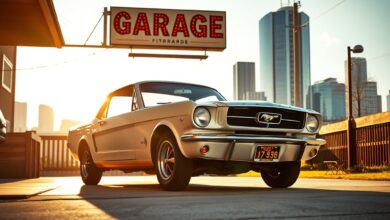
1. 1965 Ford Mustang GT Fastback
The Mustang defined the American pony car era. Its 289 cu in. V8 delivers 225 hp, and the Fastback silhouette remains instantly recognizable.
- Starting price (restored): $45,000–$70,000
- Key feature: Original “Cobra” badge options
- Best for: Enthusiasts who love raw, drivable American muscle.
2. 1969 Chevrolet Camaro Z28
With its big‑block 302 cu in. V8, the Z28 offers a perfect blend of performance and rarity, especially the “C3” generation with the “Cowl Induction” hood.
- Starting price (original condition): $55,000–$85,000
- Key feature: Lightweight chassis and high‑revving engine.
- Best for: Drivers who want a track‑ready classic.
3. 1970 Porsche 911S
The 911S is the quintessential German sports car, featuring a 2.4 L flat‑six that produces 190 hp. Its timeless design and superb handling keep it at the top of the list.
- Starting price (well‑preserved): $80,000–$120,000
- Key feature: Lightweight aluminum body panels.
- Best for: Collectors seeking European elegance and driving purity.
4. 1963 Jaguar E-Type Series 1
Enzo Ferrari called the E‑Type “the most beautiful car ever made.” Its 3.8 L inline‑six delivers 265 hp, and the long‑hood, short‑deck proportions are iconic.
- Starting price (original): $120,000–$180,000
- Key feature: Hand‑crafted aluminum body and wire‑spoke wheels.
- Best for: Those who value design heritage above all.
5. 1959 Cadillac Eldorado Biarritz
The Eldorado epitomizes American luxury with its massive 390 cu in. V8, tailfins, and plush interior. It’s a statement piece for any collection.
- Starting price (original): $150,000–$250,000
- Key feature: Power‑assisted steering and the “V‑shaped” grille.
- Best for: Collectors who appreciate opulent, turn‑key classics.
6. 1967 Chevrolet Corvette Stingray
The second‑generation Corvette introduced the split‑window coupe and a 427 cu in. V8 that pushes 425 hp. Its sleek lines still turn heads today.
- Starting price (restored): $90,000–$130,000
- Key feature: Independent rear suspension (IRS).
- Best for: Fans of American sports cars with a modern feel.
7. 1971 Alfa Romeo Montreal
Designed by Marcello Gandini, the Montreal blends Italian flair with a 2.6 L V8 delivering 200 hp. Its wedge‑shaped nose and pop‑up headlights are pure art.
- Starting price (original): $70,000–$100,000
- Key feature: Fiberglass body and distinctive “double‑spoke” wheels.
- Best for: Collectors seeking a rare European exotic.
8. 1964 Aston Martin DB5
Best known as James Bond’s first ride, the DB5’s 4.0 L straight‑six produces 282 hp. Its hand‑built chassis and luxurious interior make it a museum‑grade masterpiece.
- Starting price (original): $500,000–$800,000
- Key feature: Factory‑installed gadgets (ejector seat, radar).
- Best for: High‑end collectors desiring a cinematic pedigree.
9. 1978 BMW 3.0 CSL “Batmobile”
The lightweight “Coupé Sport Leichtbau” (CSL) was built for racing, featuring a 3.0 L inline‑six that makes 206 hp. Its distinctive “bat” wings and reduced weight make it a track legend.
- Starting price (original): $350,000–$500,000
- Key feature: Aluminum front and rear subframes.
- Best for: Enthusiasts who love historic motorsport pedigree.
10. 1962 Ferrari 250 GTO
The 250 GTO is the holy grail of classic cars, with a 3.0 L V12 delivering 300 hp. Only 36 were built, and each sells for well over $40 million at auction.
- Starting price (auction): $40 million +
- Key feature: Hand‑crafted steel tube frame and racing pedigree.
- Best for: Ultra‑high‑net‑worth investors seeking the ultimate trophy.
Comparison of the Top 10 Classic Cars
| Model | Typical Price (USD) | Power (hp) | Key Feature | Best For |
|---|---|---|---|---|
| 1965 Ford Mustang GT Fastback | $45,000–$70,000 | 225 | Iconic Fastback silhouette | American muscle enthusiasts |
| 1969 Chevrolet Camaro Z28 | $55,000–$85,000 | 290 | Big‑block performance | Track‑ready collectors |
| 1970 Porsche 911S | $80,000–$120,000 | 190 | Flat‑six handling | European sports car fans |
| 1963 Jaguar E‑Type Series 1 | $120,000–$180,000 | 265 | Aluminum bodywork | Design purists |
| 1959 Cadillac Eldorado Biarritz | $150,000–$250,000 | 325 | Tail‑fin luxury | Luxury collectors |
| 1967 Chevrolet Corvette Stingray | $90,000–$130,000 | 425 | Split‑window coupe | Modern‑styled American sports |
| 1971 Alfa Romeo Montreal | $70,000–$100,000 | 200 | Wedge‑shaped design | Rare European exotics |
| 1964 Aston Martin DB5 | $500,000–$800,000 | 282 | Bond gadgets | Cinematic collectors |
| 1978 BMW 3.0 CSL “Batmobile” | $350,000–$500,000 | 206 | Lightweight chassis | Motorsport historians |
| 1962 Ferrari 250 GTO | $40 million + | 300 | Racing pedigree | Ultra‑high‑net‑worth investors |
Maintaining and Protecting Your Investment
Owning a classic car is a long‑term commitment. Proper care not only preserves beauty but also sustains market value.
Storage Solutions
- Climate‑controlled garages prevent rust and paint fading.
- Use breathable car covers; avoid plastic sheeting that traps moisture.
- Consider a “shelf” storage system for low‑riding models to avoid tire distortion.
Routine Maintenance
- Change oil with the manufacturer’s recommended viscosity; older engines often need heavier oil.
- Inspect rubber seals and hoses; replace them before they become brittle.
- Keep a detailed log of every service—future buyers will demand it.
Documentation and Provenance
Original paperwork, factory build sheets, and historic photographs dramatically increase a car’s desirability. When buying, request a thorough provenance report from a reputable classic‑car appraiser.
Financing and Insurance for Classic Cars
Unlike new vehicles, classic cars often require specialized financing and insurance solutions. Understanding these options helps you protect your investment without overpaying.
Classic Car Loans
- Many lenders treat classic cars as “non‑collateral” assets, resulting in higher interest rates.
- Look for lenders that specialize in automotive collectibles; they may offer 5‑year terms with rates as low as 4‑5% for well‑documented vehicles.
- Consider a “balloon payment” structure if you plan to sell the car within a few years.
Insurance Considerations
- Agreed‑value policies lock in a coverage amount, preventing disputes after a loss.
- Ask for “waiver of depreciation” clauses; classic cars often appreciate, not depreciate.
- Many insurers offer mileage