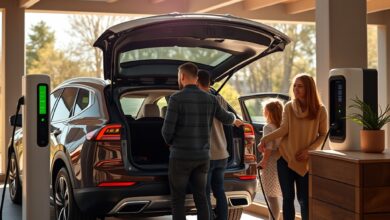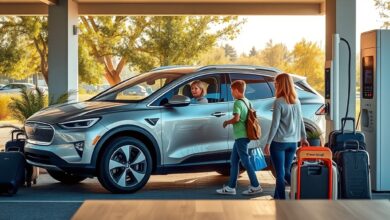


The automotive world is buzzing with a new kind of family-friendly powertrain: electric SUVs. As more households prioritize sustainability without sacrificing space, the demand for affordable electric SUVs has surged. Whether you’re shuttling kids to school, loading up gear for a weekend adventure, or simply looking to cut fuel costs, finding the right electric SUV under $50,000 can feel like hunting for a needle in a haystack. This guide cuts through the noise, giving you practical, data‑driven advice so you can confidently choose a model that fits your budget, lifestyle, and eco‑goals.
Key criteria families should prioritize when shopping for an electric SUV
Buying an electric SUV isn’t just about the badge on the grille; it’s about how the vehicle fits into everyday family life. Below are the most critical factors to evaluate before you sign on the dotted line.
Passenger and cargo capacity
- Three‑row seating is a must for larger families; look for a minimum of 60‑inch rear legroom.
- Flat load floors and split‑folding rear seats make it easy to juggle strollers, sports gear, and grocery runs.
- Check the cargo volume with seats up vs. down – a difference of 15‑20 cubic feet can change the vehicle’s practicality.
Range and real‑world efficiency
- Target a minimum EPA‑rated range of 200 miles; this covers most daily commutes and weekend trips without frequent charging stops.
- Consider the vehicle’s efficiency (miles per kWh) especially if you’ll be driving in mixed city‑highway conditions.
- Look for models that support DC fast charging (150 kW or higher) to keep downtime low on long trips.
Safety and driver‑assistance technology
- Family buyers should prioritize models with top NHTSA and IIHS safety scores.
- Standard advanced driver‑assistance systems (ADAS) like adaptive cruise control, lane‑keeping assist, and automatic emergency braking add peace of mind.
- Child‑seat anchor points (LATCH) and rear‑seat reminder alerts are essential safety features.
Total cost of ownership
- Beyond the sticker price, factor in federal and state EV tax credits, which can shave $2,500‑$7,500 off the purchase price.
- Estimate electricity costs versus gasoline – most families see a 40‑60% reduction in fuel expenses.
- Consider warranty coverage for the battery pack (typically 8‑10 years or 100,000 miles).
Top electric SUVs under $50,000 in 2024
Below is a curated list of electric SUVs that deliver family-friendly space, respectable range, and a price tag that stays under the $50,000 threshold after incentives. All models listed are available in the United States for the 2024 model year.
Comparison of Best Electric SUVs Under $50K
| Model | Starting Price (Before Incentives) | EPA Range | Seating | Key Feature | Pros | Best For |
|---|---|---|---|---|---|---|
| Hyundai Ioniq 5 (Standard Long‑Range) | $44,500 | 274 miles | 5 | 800‑V fast‑charging capability | Spacious interior, modern tech, excellent warranty | Tech‑savvy families |
| Kia EV6 (Wind‑Racing) | $45,200 | 310 miles | 5 | Augmented‑reality head‑up display | Sporty handling, fast charging, sleek design | Younger families who love performance |
| Volkswagen ID.4 Pro | $41,990 | 260 miles | 5 | Integrated infotainment with CarPlay | Comfortable ride, generous cargo space | Practical daily drivers |
| Ford Mustang Mach‑E (Select) | $48,300 | 250 miles | 5 | Co‑Pilot360 driver assistance | Strong brand appeal, good performance | Families wanting a sporty image |
| Chevrolet Bolt EUV | $33,800 | 247 miles | 5 | Super Cruise hands‑free driving | Affordability, compact footprint | First‑time EV buyers on a budget |
| Subaru Solterra (Standard) | $49,700 | 228 miles | 5 | Standard all‑wheel drive | Off‑road capability, Subaru safety suite | Families in colder climates |
All of the models above meet the core family criteria: ample seating, respectable range, and a suite of safety technologies. Prices listed are MSRP before any federal tax credit or state rebate, so the out‑of‑pocket cost can often dip below $45,000.
Performance and technology you can expect from electric SUVs
Electric SUVs have come a long way since the first generation of low‑range crossovers. Today’s offerings combine instant torque, refined ride quality, and a host of connected features that make family life smoother.
Range realism and charging infrastructure
- Real‑world range often falls 5‑10% below EPA ratings due to temperature, driving style, and accessory use.
- Most families benefit from installing a Level 2 home charger (7.2 kW); a full charge typically takes 6‑8 hours, perfect for overnight top‑ups.
- Public DC fast‑charging networks (Electrify America, ChargePoint, EVgo) now provide 150‑250 kW stations along major highways, allowing a 80% charge in 20‑30 minutes.
In‑vehicle infotainment and connectivity
- Android Auto and Apple CarPlay are standard on most 2024 electric SUVs, ensuring seamless smartphone integration for navigation and media.
- Over‑the‑air (OTA) updates keep the vehicle’s software current without a dealership visit, adding new features or improving battery management.
- Family‑oriented apps can set speed limits, geofence the vehicle, and monitor charging status remotely via a smartphone.
Driving dynamics suited for families
- Electric powertrains deliver low‑center‑of‑gravity handling, making the SUV feel more planted on twisty roads—useful for weekend getaways.
- Torque vectoring and selectable driving modes (Eco, Comfort, Sport) let parents choose a calm ride for school runs or a more spirited feel for longer trips.
- Regenerative braking can be tuned to increase range or provide a smoother stop‑and‑go experience in city traffic.
Financing, leasing, and incentives for electric SUVs
Even with a sub‑$50,000 price tag, the financial side of buying an electric SUV can be nuanced. Understanding the options helps you keep the total cost low while preserving flexibility.
Lease vs. loan: Which makes sense for families?
- Leasing often requires a lower upfront payment and allows you to upgrade to newer technology every 2‑3 years—ideal for families who want the latest safety features.
- Buying with a loan builds equity and can be more cost‑effective long‑term, especially when you plan to keep the vehicle beyond the warranty period.
- Calculate the “break‑even” point: If you intend to keep the SUV for 5+ years, buying usually wins; for 2‑3 years, leasing may be cheaper.
Government incentives that shrink the sticker price
- The federal EV tax credit of up to $7,500 applies to most models listed, provided the manufacturer’s eligibility cap hasn’t been reached.
- State rebates vary widely – California offers up to $2,000 for low‑income buyers, while Colorado provides a $4,000 tax credit.
- Many utilities also give reduced electricity rates for EV charging during off‑peak hours, further lowering operating costs.
Insurance considerations
- Electric SUVs can carry a slightly higher premium due to higher repair costs, but many insurers now offer EV‑specific discounts.
- Bundling home and auto policies, or opting for a higher deductible, can offset the premium increase.
Future‑proofing your family’s electric SUV purchase
Technology evolves rapidly, and families want a vehicle that remains relevant for years to come. Here are strategies to ensure your electric SUV stays a smart investment.
Battery health and warranty coverage
- Look for a battery warranty of at least 8 years or 100,000 miles – this protects against capacity loss that could affect range.
- Some manufacturers (e.g., Hyundai) offer a “battery health guarantee” that promises a minimum 70% capacity after 8 years.
- Regular software updates and proper charging habits (avoiding 100% daily charges unless needed) extend battery longevity.
Resale value and market trends
- EVs are holding their value better than internal‑combustion SUVs, thanks to growing demand and limited supply.
- Models with fast‑charging capability and higher range tend to retain value longer, making them a safer long‑term investment.
- Keep documentation of charging habits and maintenance; a well‑kept battery history can boost resale price.
Preparing for a charging‑ready home
- Even if you rent, many landlords now allow the installation of a Level 2 charger with a simple lease amendment.
- Consider a home charger with smart features that can schedule charging during off‑peak hours to maximize savings.
- Plan for future upgrades: Choose a charger that supports up to 11 kW, allowing you to benefit from faster home charging if you upgrade to a higher‑capacity battery later.
Staying informed about policy changes
- Watch for upcoming federal legislation that could expand tax credits or introduce new incentives for used EVs.
- State-level zero‑emission vehicle (ZEV) mandates may affect registration fees or grant additional perks like HOV lane access.
- Subscribe to newsletters from the Department of Energy’s Office of Energy Efficiency & Renewable Energy for the latest updates.
Adapting to evolving charging standards
- Most new electric SUVs support the CCS (Combined Charging System) standard, but the industry is moving toward the new 800‑V architecture for ultra‑fast charging.
- Future-proof your vehicle by selecting a model with a robust onboard charger that can handle higher voltages without hardware upgrades.
Building a family EV routine
- Establish a weekly “charge day”—typically Sunday night—to start the week with a full battery.
- Use smartphone alerts to monitor charging progress, ensuring the vehicle is ready when school drop‑offs begin.
- Teach older children how to locate public chargers via apps like PlugShare; this encourages independence and reduces range anxiety.