
Why Electric SUVs Are Redefining Family Road Trips
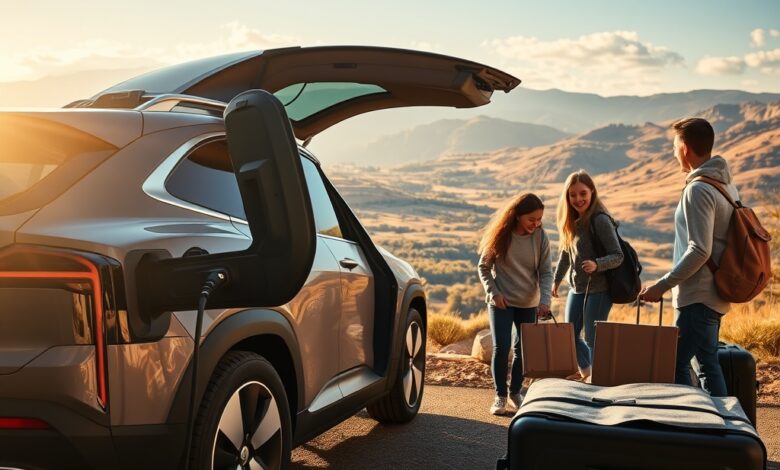
Families are swapping gasoline‑guzzlers for sleek, quiet powertrains, and the shift is especially evident in the rise of electric SUVs. The allure of electric SUVs lies in their blend of spacious interiors, zero‑emission driving, and the confidence that comes from predictable charging costs on long journeys. As charging networks expand and battery technology improves, more parents are discovering that a weekend getaway can be both eco‑friendly and budget‑savvy without sacrificing comfort or performance.
Key Criteria for Choosing the Perfect Electric SUV
When you’re scouting for a family‑friendly EV, the decision goes beyond “how far can it go?” A well‑rounded electric SUV must meet several practical benchmarks to ensure it fits seamlessly into everyday life and those epic road trips.
Range and Real‑World Efficiency
Advertised EPA ranges are a good starting point, but real‑world efficiency varies with payload, terrain, and climate control usage. Look for models that maintain at least 250 miles of usable range when fully loaded with children and luggage. A buffer of 30–40 miles above your typical daily drive helps avoid range anxiety on the highway.
Passenger Space and Cargo Capacity
Three rows of seats are a must for larger families, while a generous cargo floor (minimum 30 cubic feet behind the third row) ensures you can pack strollers, sports gear, and groceries without folding seats. Adjustable second‑row benches and flat‑folding third rows add flexibility for mixed passenger‑cargo scenarios.
Charging Convenience for Long Journeys
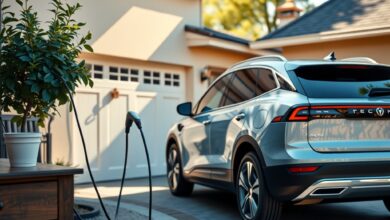
Fast‑charging capability (150 kW or higher) dramatically reduces downtime at rest stops. Verify that the SUV supports CCS‑2 or CHAdeMO standards, and check the availability of high‑power stations along your most common routes. Home charging speed (7‑10 kW) also matters for overnight top‑ups after a day of sightseeing.
Top Electric SUVs for Family Adventures in 2025
2025 brings a robust lineup of electric SUVs that balance range, space, and tech. Below are the standout models that consistently earn high marks from safety agencies, owners, and automotive journalists.
Model Overviews
- Tesla Model X Plaid – With up to 340 miles of range, a 0‑60 mph time under 3 seconds, and distinctive falcon‑wing doors, the Model X offers both performance and a spacious third row. Its integrated 350 kW Supercharger network makes cross‑country travel effortless.
- Ford Mustang Mach‑E 4‑Row – The newest Mach‑E variant adds a third row, delivering 300 miles of range and a user‑friendly SYNC 4 infotainment system. Ford’s partnership with Electrify America provides reliable 150 kW DC fast‑charging.
- Hyundai Ioniq 6 SUV Concept (2025 Production) – Expected to launch mid‑year, the Ioniq 6 SUV promises 320 miles of range, a 10‑minute 200 kW charge to 80 %, and a versatile interior with removable second‑row seats.
- Kia EV9 – Kia’s bold, boxy EV9 offers 300 miles of range, a 400 kW ultra‑fast charge option, and a roomy cabin with a panoramic glass roof. Its advanced driver‑assist suite (Highway Driving Assist) eases highway fatigue.
- Volkswagen ID.8 – The ID.8 delivers 280 miles of range, a 225 kW fast‑charge capability, and a flexible seating layout that can be reconfigured in under a minute. VW’s extensive European charging network now extends into North America.
- Rivian R1S – Built for off‑road family trips, the R1S offers 300 miles of range, a 180 kW fast‑charge system, and a rugged interior with waterproof floor mats and a built‑in camping mode.
Comparison of 2025 Electric SUVs
| Model | Starting Price | EPA Range | Fast‑Charge Power | Seating Capacity | Key Family Feature |
|---|---|---|---|---|---|
| Tesla Model X Plaid | $119,990 | 340 miles | 250 kW | 7 | Falcon‑wing rear doors for tight parking |
| Ford Mustang Mach‑E 4‑Row | $55,300 | 300 miles | 150 kW | 7 | Integrated SYNC 4 with family profiles |
| Hyundai Ioniq 6 SUV | $48,900 | 320 miles | 200 kW | 7 | Removable second‑row seats for cargo |
| Kia EV9 | $52,500 | 300 miles | 400 kW | 7 | Panoramic roof and camping mode |
| Volkswagen ID.8 | $46,700 | 280 miles | 225 kW | 7 | One‑touch seat reconfiguration |
| Rivian R1S | $73,500 | 300 miles | 180 kW | 7 | Off‑road capability with adjustable air suspension |
Financing and Incentives: Making an Electric SUV Affordable
While the sticker price of an electric SUV can seem steep, a combination of federal tax credits, state rebates, and creative financing can bring the total cost of ownership well within reach of most family budgets.
Leasing vs. Buying
Leasing an EV often yields lower monthly payments and includes the benefit of a new battery warranty every three years. However, buying lets you capitalize on long‑term savings from lower electricity costs versus gasoline. Consider the following factors:
- Annual mileage – If you drive under 12,000 miles per year, a lease may be ideal. Exceeding mileage limits can incur costly penalties.
- Battery health concerns – Modern EV batteries retain over 90 % capacity after 150,000 miles, reducing the risk of depreciation for buyers.
- Incentive eligibility – Some state rebates apply only to new purchases, not leases.
Federal and State Tax Credits
As of 2025, the federal Clean Vehicle Credit offers up to $7,500 for qualifying EVs, provided the manufacturer’s sales volume remains under 200,000 units. Many states add supplemental rebates ranging from $1,000 to $5,000, and several utilities offer reduced electricity rates for overnight home charging. Always verify eligibility through the IRS Form 8936 and your state’s department of energy portal.
Practical Tips for Long‑Distance EV Travel
Even the most capable electric SUV benefits from a little pre‑trip planning. Follow these proven strategies to keep the whole family comfortable and the itinerary on track.
- Map charging stops ahead of time. Use apps like A Better Route Planner or PlugShare to locate 150 kW+ stations at roughly 100‑mile intervals.
- Pre‑condition the battery while still plugged in. Warming or cooling the pack before departure maximizes range and protects battery health.
- Pack a portable Level 2 charger. In remote areas where fast chargers are sparse, a 240 V home‑grade charger can top off the battery during longer layovers.
- Utilize regenerative braking. Enable high‑regeneration modes on downhill segments to reclaim energy and extend your range.
- Keep the cabin temperature moderate. Air‑conditioning and heating draw significant power; using seat heaters and window shades reduces load.
Future Trends Shaping the Electric SUV Segment
The next wave of electric SUVs will be defined by three major trends that families should watch for when planning a purchase beyond 2025.
Solid‑State Batteries
Automakers like Toyota and QuantumScape aim to launch solid‑state packs by 2027, promising 30‑40 % higher energy density and faster 10‑minute charging to 80 % capacity. This breakthrough could push EPA ranges past 400 miles without enlarging the battery footprint.
Integrated Solar Roofs
SunPower and Hyundai are experimenting with solar‑glass roofs that add 10–15 miles of range per hour of sunlight. While not a primary power source, solar roofs can offset auxiliary loads during long camping trips.
Advanced Driver‑Assistance Systems (ADAS)
Level 3 autonomy is becoming a reality in premium electric SUVs, allowing hands‑free driving on approved highways. Features like “Family Auto‑Pilot” will monitor driver fatigue and automatically suggest rest stops, a boon for long family outings.
Vehicle‑to‑Grid (V2G) Capabilities
Future models will support V2G, letting owners feed stored electricity back to the grid during peak demand. Families can earn credits or reduce home energy bills by using their SUV as a backup power source.
Subscription Services
Manufacturers are rolling out subscription models that bundle the vehicle, insurance, maintenance, and charging into a single monthly fee. This approach simplifies budgeting and may include upgrades to newer EV models as technology evolves.
Conclusion
Choosing the right electric SUV for family road trips involves balancing range, interior flexibility, charging infrastructure, and total cost of ownership. By evaluating the criteria outlined above, comparing the top 2025 models, and leveraging available incentives, families can enjoy sustainable, high‑performance travel without compromise.
Frequently Asked Questions
Is it better to lease or buy an electric SUV for a growing family?
Leasing offers lower monthly payments and a fresh warranty every few years, which can be attractive if you anticipate rapid family growth or want to upgrade to the latest tech. Buying, however, maximizes long‑term savings, especially when you plan to keep the vehicle for 8‑10 years and benefit from low electricity costs and potential resale value.
How much range is realistic for a family of five on a weekend road trip?
A realistic target is 250–300 miles of usable range after accounting for passenger weight and climate control. Models like the Tesla Model X Plaid and Hyundai Ioniq 6 SUV comfortably exceed this threshold, ensuring you can travel 500+ miles round‑trip with a single charge and a quick stop at a 150 kW+ station.
Can I charge an electric SUV at a regular 120‑V household outlet?
Yes, but charging at 120 V (Level 1) is slow—typically 3–5 miles of range per hour. For family use, installing a 240 V Level 2 home charger (7–10 kW) is recommended, delivering 20–30 miles of range per hour and fully replenishing the battery overnight.