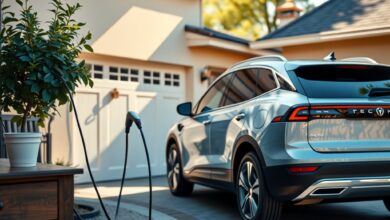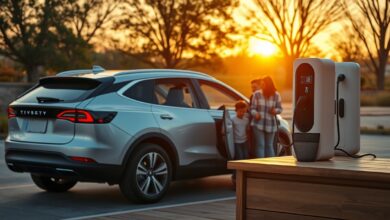


The automotive world is buzzing with a new kind of family adventure: quiet, instant torque, and zero‑emission cruising that doesn’t break the bank. As more drivers trade gasoline‑guzzlers for greener alternatives, the market for electric SUVs is exploding, offering spacious interiors, advanced safety tech, and the kind of range that keeps weekend road trips stress‑free. If you’re hunting for a capable, budget‑friendly vehicle that can handle school runs, grocery hauls, and mountain getaways, you’ll find that the sweet spot under $50,000 is more attainable than ever. Below, we break down everything you need to know to pick the perfect electric SUV for your family without compromising on performance or practicality.
Why Electric SUVs Are Becoming Family Favorites
Family buyers have traditionally gravitated toward conventional SUVs for their cargo space, higher seating position, and perceived safety. Electric SUVs now deliver all those benefits while adding instant acceleration, lower operating costs, and a quieter cabin—features that parents and kids alike appreciate on long drives. The growing network of fast‑charging stations, combined with generous federal tax credits, means the total cost of ownership can be dramatically lower than a comparable gas‑powered model.
Key Benefits for Families
- Spacious interiors: Most electric SUVs offer three‑row seating or flexible cargo configurations, perfect for sports gear and strollers.
- Zero tailpipe emissions: Cleaner air around schools and neighborhoods, plus eligibility for low‑emission zone exemptions.
- Lower fuel costs: Electricity is typically 2–3 times cheaper per mile than gasoline, and many utilities offer special EV rates.
- Reduced maintenance: Fewer moving parts mean fewer oil changes, spark plug replacements, and brake wear thanks to regenerative braking.
- Advanced driver‑assist systems: Many electric SUVs come standard with adaptive cruise control, lane‑keeping assist, and automatic emergency braking, enhancing safety for novice drivers.
Budgeting for an Electric SUV Under $50k
Setting a realistic budget is the first step toward a confident purchase. While the sticker price of many electric SUVs hovers around the $45,000 mark, the final out‑of‑pocket cost can be significantly lower after accounting for incentives, tax credits, and financing options.
Understanding Total Cost of Ownership
- Up‑front price: Base MSRP before incentives.
- Federal tax credit: Up to $7,500 for qualifying models (check eligibility as it phases out per manufacturer).
- State rebates: Many states offer additional cash rebates or reduced registration fees.
- Financing vs. leasing: Leasing can lower monthly payments but may limit mileage; buying builds equity and benefits from long‑term savings.
- Charging costs: Home charger installation ($500‑$1,200) versus public fast‑charging fees.
- Insurance: EVs sometimes cost more to insure due to higher repair costs; shop around for discounts.
When you add these variables together, a vehicle with a $48,000 MSRP could effectively cost under $40,000 after a $7,500 federal credit and a $2,000 state rebate, making it a truly affordable option for families.
Top Electric SUVs Under $50k in 2024
Below is a curated list of the most compelling electric SUVs that sit comfortably below the $50,000 threshold. These models have been evaluated on price, range, interior space, technology, and overall value for families.
Comparison of Leading Models
| Model | Starting Price | EPA Range | Seating Capacity | Key Feature | Pros | Best For |
|---|---|---|---|---|---|---|
| Hyundai Kona Electric | $34,950 | 258 miles | 5 | Fast‑charging 100 kW | Excellent range for price, compact size | Urban families needing maneuverability |
| Kia Niro EV | $39,500 | 239 miles | 5 | Standard 8‑inch infotainment | Spacious cargo, strong warranty | First‑time EV buyers |
| Volkswagen ID.4 | $41,990 | 260 miles | 5 | Integrated IQ.Drive ADAS | Roomy interior, smooth ride | Families prioritizing comfort |
| Ford Mustang Mach‑E (Base) | $44,995 | 250 miles | 5 | Sync 4A with over‑the‑air updates | Sporty handling, strong brand appeal | Younger families seeking style |
| Chevrolet Bolt EUV | $30,995 | 247 miles | 5 | Super Cruise hands‑free driving | Affordability, generous tech | Budget‑conscious families |
What Sets Each Model Apart
Hyundai Kona Electric excels in tight city streets while still offering a respectable 258‑mile range. Its compact footprint makes parking in crowded school zones a breeze, and the 100 kW DC fast‑charging capability can add 80 % range in under an hour.
Kia Niro EV shares its platform with the Kona but adds a slightly larger cargo area and a longer warranty (10‑year/100,000‑mile powertrain). Families who need extra space for gear will appreciate the Niro’s flexible rear seat configuration.
Volkswagen ID.4 stands out with a roomy cabin and a user‑friendly infotainment system. The IQ.Drive suite offers adaptive cruise control, lane‑keeping assist, and traffic jam assist—features that reduce driver fatigue on long trips.
Ford Mustang Mach‑E (Base) brings a performance‑oriented driving experience to the electric SUV segment. Its sporty handling and distinctive styling appeal to families who want a vehicle that feels as exciting to drive as it is practical.
Chevrolet Bolt EUV provides the most budget‑friendly entry point, and its Super Cruise hands‑free system is a rare inclusion at this price level. While the interior is more utilitarian, the Bolt’s reliability record makes it a solid choice for cost‑sensitive shoppers.
Practical Features to Prioritize for Family Adventures
When evaluating electric SUVs, look beyond range and price. The following attributes can make daily life smoother and road trips more enjoyable.
- Flexible Seating: Sliding second‑row seats, 60/40 split‑folding rear benches, and optional third‑row seats increase cargo versatility.
- Child‑Seat Compatibility: Check LATCH anchor availability and seat‑belt lengths; many newer models now include ISOFIX points in both rows.
- Integrated Navigation with EV Routing: Built‑in maps that highlight charging stations along your route prevent range anxiety.
- USB‑C Ports and Wireless Charging: Keep devices powered for kids’ tablets and parents’ smartphones on long drives.
- Advanced Safety Suites: Look for automatic emergency braking, pedestrian detection, and blind‑spot monitoring—critical for family safety.
- All‑Wheel Drive (AWD) Options: For families in snowy or off‑road conditions, AWD variants provide better traction without sacrificing efficiency.
Financing and Incentives: Getting the Best Deal
Even with a sub‑$50k price tag, the financing structure can dramatically affect your monthly outlay and overall savings. Understanding the nuances of leasing versus buying, as well as leveraging available incentives, is essential.
Leasing vs. Buying an Electric SUV
- Leasing Advantages: Lower monthly payments, ability to upgrade to newer technology every 2–3 years, and often includes maintenance packages.
- Leasing Disadvantages: Mileage limits (usually 10,000–15,000 mi/yr) can be restrictive for families who travel frequently; excess wear fees may apply.
- Buying Advantages: Full ownership, no mileage caps, and long‑term savings on fuel and maintenance; eligibility for tax credits at purchase.
- Buying Disadvantages: Higher monthly payments and larger upfront costs; depreciation concerns, though EVs are holding value better than before.
For families planning to keep the vehicle for at least five years and expecting higher mileage, buying usually offers the best financial outcome. If you prefer a new tech package every few years and drive under 12,000 mi annually, a lease could make sense.
Federal, State, and Manufacturer Rebates
Take advantage of every applicable incentive:
- Federal Tax Credit: Up to $7,500 for qualifying models; verify eligibility on the U.S. Department of Energy site.
- State Programs: California’s Clean Vehicle Rebate Project (CVRP) offers up to $2,000; New York’s Drive Clean Rebate provides $2,000 for eligible EVs.
- Utility Discounts: Some utilities offer reduced rates for off‑peak home charging or provide free public charging credits.
- Manufacturer Incentives: Brands like Hyundai and Kia frequently add cash rebates or low‑interest financing promotions on specific trims.
Future‑Proofing Your Choice: Technology and Resale Outlook
Electric vehicle technology is advancing rapidly. Selecting a model that will stay relevant for years to come protects your investment and ensures your family continues to benefit from the latest safety and convenience features.
Charging Infrastructure and Battery Longevity
Most electric SUVs under $50k use lithium‑ion batteries with warranties covering 8 years or 100,000 miles. Battery degradation rates are typically 2–3 % per year, meaning a 2024 model should still retain over 90 % capacity by 2030. Investing in a Level 2 home charger (240 V) not only speeds up daily charging but also preserves battery health by reducing fast‑charge cycles.