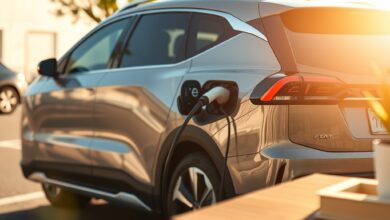

Why Electric SUVs Are the Ideal Family Choice in 2024
The automotive world is in the midst of a quiet revolution, and families are at the forefront of the shift toward cleaner, smarter mobility. Electric SUVs combine the spaciousness that parents need with zero‑emission powertrains that keep daily commutes and weekend getaways eco‑friendly. With federal tax credits, expanding charging networks, and ever‑improving range, the decision to go electric has never been more practical for a family looking to future‑proof its garage.
Key Factors to Consider When Shopping for an Electric SUV
Choosing the right electric SUV involves more than just looking at the badge on the grille. Below are the essential criteria that will help you narrow down the options and avoid costly surprises.
Range and Real‑World Efficiency
While manufacturers quote EPA‑estimated range, real‑world mileage can vary based on climate, payload, and driving style. Families should aim for a minimum of 250 miles of usable range to comfortably handle school runs, grocery trips, and occasional road trips without frequent charging stops.
Seating Capacity and Cargo Flexibility
Look for third‑row seating that folds flat and a cargo floor that can accommodate strollers, sports gear, or a full set of luggage. Adjustable second‑row benches and low floor heights make loading and unloading easier for parents of all ages.
Safety Technology and Ratings
Family buyers prioritize safety above all. Seek models with top‑tier NHTSA and IIHS scores, advanced driver‑assist systems (ADAS) such as adaptive cruise control, lane‑keeping assist, and automatic emergency braking, plus child‑seat anchor points (LATCH) in every row.
Charging Speed and Home Installation
Fast‑charging capability (150 kW or higher) reduces downtime on longer trips, while a Level 2 home charger (7.2 kW) ensures the vehicle is ready each morning. Verify that the SUV’s onboard charger supports the power you plan to install at home.
Total Cost of Ownership (TCO)
Beyond the sticker price, consider depreciation, insurance, maintenance (fewer moving parts than ICE vehicles), and available incentives. A lower TCO can make a slightly pricier model more attractive over the vehicle’s lifespan.
Top Electric SUVs for Families in 2024
After evaluating range, space, safety, and price, the market offers several standout choices for families seeking an electric SUV. Below is a quick snapshot of each model’s strengths.
2024 Ford Mustang Mach‑E Premium
- Range: Up to 312 miles (Extended Range battery)
- Seating: 5‑passenger layout with generous rear‑seat legroom
- Safety: Ford Co‑Pilot™ 2.0 with BlueCruise hands‑free driving on approved highways
- Family‑Friendly Feature: 15.5‑inch touchscreen with easy‑to‑use Apple CarPlay and Android Auto
2024 Hyundai Ioniq 5 Ultimate
- Range: 303 miles (77.4 kWh battery)
- Seating: 5‑passenger, flat floor, and 1,600 lb cargo capacity
- Safety: Hyundai SmartSense suite with rear‑cross‑traffic alert and blind‑spot monitoring
- Family‑Friendly Feature: Sliding rear doors (concept for 2025) expected, but current wide-opening doors aid child‑seat loading
2024 Kia EV6 GT-Line
- Range: 310 miles (77.4 kWh battery)
- Seating: 5‑passenger, optional second‑row captain’s chairs for easier access to the third row (future model)
- Safety: Kia Drive Wise with Highway Driving Assist and rear‑view camera
- Family‑Friendly Feature: 800 V ultra‑fast charging (10% to 80% in ~18 minutes)
2024 Volkswagen ID.4 Pro
- Range: 260 miles (77 kWh battery)
- Seating: 5‑passenger, rear‑seat recline and split‑folding 60/40 bench
- Safety: IQ.DRIVE with adaptive cruise control and lane‑keeping assist
- Family‑Friendly Feature: Integrated child‑seat anchors in both rows and a spacious front trunk (frunk) for extra storage
2024 Chevrolet Silverado EV (Crew Cab)
- Range: Up to 400 miles (estimated)
- Seating: 5‑passenger crew cab with generous interior volume
- Safety: Chevrolet Safety Assist with forward collision alert and rear‑cross‑traffic alert
- Family‑Friendly Feature: Large rear doors and a versatile cargo bed with optional in‑bed power outlet for tools or camping gear
2024 Volvo XC40 Recharge
- Range: 223 miles (78 kWh battery)
- Seating: 5‑passenger compact SUV with premium upholstery
- Safety: Volvo City Safety with pedestrian detection and Pilot Assist semi‑autonomous system
- Family‑Friendly Feature: Integrated child‑seat anchors and a robust infotainment system with parental controls
Comparison of Leading Electric SUVs
| Model | Starting Price | EPA Range | Seating Capacity | Key Family Feature | Best For |
|---|---|---|---|---|---|
| Ford Mustang Mach‑E Premium | $55,000 | 312 miles | 5 | BlueCruise hands‑free | Tech‑savvy commuters |
| Hyundai Ioniq 5 Ultimate | $52,500 | 303 miles | 5 | Spacious flat floor | Active families |
| Kia EV6 GT‑Line | $58,000 | 310 miles | 5 | 800 V ultra‑fast charging | Long‑distance travelers |
| Volkswagen ID.4 Pro | $45,000 | 260 miles5 | Large frunk storage | Budget‑conscious buyers | |
| Chevrolet Silverado EV | $69,900 | 400 miles (est.) | 5 | Versatile cargo bed | Large‑family & utility needs |
| Volvo XC40 Recharge | $55,300 | 223 miles | 5 | Pilot Assist semi‑autonomous | Safety‑first families |
Financing and Incentives: Making an Electric SUV Affordable
Even with federal tax credits, the upfront cost of an electric SUV can be higher than a comparable gasoline model. Smart financing strategies can bridge the gap.
Federal and State Tax Credits
- Up to $7,500 federal credit for qualifying battery capacity.
- Additional state rebates ranging from $2,000 to $5,000 in California, New York, and Colorado.
- Check eligibility annually; credits phase out after a manufacturer reaches 200,000 EV sales.
Leasing vs. Buying
Leasing an electric SUV often provides lower monthly payments and includes warranty coverage for the battery throughout the lease term. However, buying may yield better long‑term savings, especially when you plan to keep the vehicle for 7+ years.
- Leasing Benefits: Predictable payments, ability to upgrade to newer tech every 3 years, lower down payment.
- Buying Benefits: No mileage limits, potential to sell the vehicle with remaining battery warranty, eligibility for full tax credit.
Special Programs for Families
Some manufacturers offer “Family Packages” that bundle child‑seat anchors, rear‑seat entertainment screens, and extended warranties at a reduced price. Additionally, utility companies may provide discounted home‑charging installation for households with three or more occupants.
Charging Infrastructure and Real‑World Ownership Tips
Understanding where and how you’ll charge your electric SUV is crucial for a stress‑free family life.
Home Charging Essentials
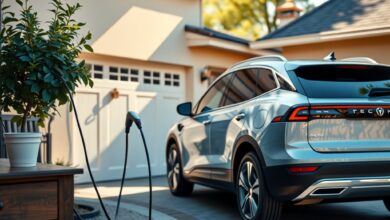
- Install a 7.2 kW Level 2 charger in your garage for overnight replenishment.
- Consider a 10 kW charger if your home electrical panel can support it; this reduces charge time by roughly 30%.
- Use a smart charging app to schedule charging during off‑peak utility rates, saving up to 20% on electricity costs.
Public Fast‑Charging Networks
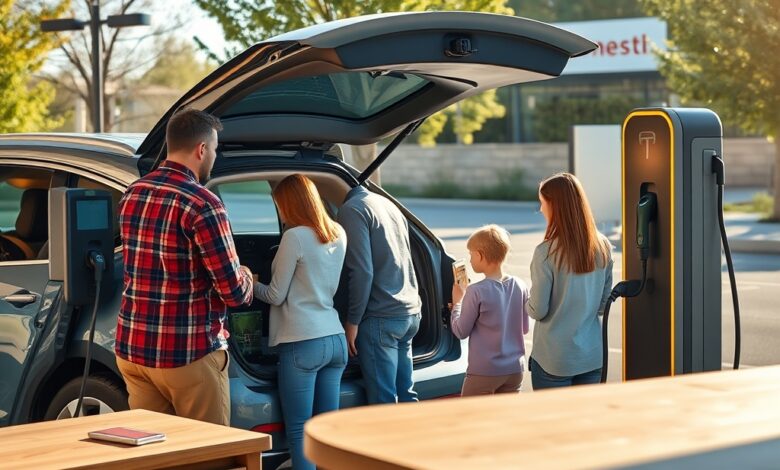
Major networks such as Electrify America, ChargePoint, and EVgo now cover most interstate corridors. For families, locate fast‑chargers near grocery stores, schools, or parks to combine errands with charging.
- Look for stations offering 150 kW or higher to replenish 80% of range in under 30 minutes.
- Many networks provide membership plans with reduced per‑kWh pricing, which can be advantageous for frequent road trips.
Practical Tips for Long Trips
- Plan your route using the vehicle’s built‑in navigation that highlights compatible chargers.
- Reserve charging spots ahead of time when possible; some stations allow pre‑booking via mobile apps.
- Pack a portable Level 1 charger (120 V) as a backup for unexpected detours, though charging will be slow (2–3 miles per hour).
Future Trends Shaping the Electric SUV Segment
The electric SUV market is evolving rapidly, and families who invest now will benefit from upcoming innovations.
Longer‑Range Battery Chemistry
Next‑generation nickel‑cobalt‑manganese‑aluminum (NCM) cells promise 20–30% more range without increasing weight, directly addressing range anxiety for larger families.
Integrated Solar Roofs
Some 2025‑model prototypes feature solar panels that can add up to 15 miles of range per day—perfect for suburban homes with ample roof space.
Advanced Driver‑Assistance for Kids
Emerging ADAS features include child‑presence detection that adjusts seat‑belt tension and alerts drivers if a rear‑seat child is left unattended after the vehicle is turned off.
Vehicle‑to‑Home (V2H) Power Sharing
Future electric SUVs may act as backup power sources for the household, allowing families to run essential appliances during outages, further enhancing the