
Understanding the Importance of an ev battery
The electric vehicle revolution is no longer a distant vision—it’s happening on streets worldwide, and every driver quickly learns that the heart of an EV is its battery. Keeping your ev battery healthy isn’t just about preserving range; it directly translates into long‑term savings, higher resale value, and fewer unexpected repair bills. In this guide we’ll explore the science behind battery degradation, practical habits you can adopt today, and the financial upside of treating your battery like a high‑performance engine.
Key Factors That Influence ev Battery Longevity
Temperature Management
Extreme heat or cold accelerates chemical reactions inside the cells, causing irreversible wear. Most modern EVs include thermal management systems, but owners still play a role:
- Park in shaded or climate‑controlled areas whenever possible.
- Avoid leaving the vehicle in a hot garage for prolonged periods; aim for an interior temperature below 30 °C (86 °F).
- In cold climates, pre‑condition the cabin while the car is still plugged in to bring the battery to optimal temperature before driving.
Charging Habits
How you charge matters more than the number of miles you drive. Fast DC charging (250 kW and above) is convenient, but frequent use can raise cell temperature and increase wear.
- Use Level 2 (home) charging for daily top‑ups; keep the charge level between 20 % and 80 % for most trips.
- Reserve fast chargers for long‑distance journeys where a quick boost is essential.
- Never let the battery sit at 100 % for extended periods unless you need the full range for an upcoming trip.
Depth of Discharge and State of Charge
Battery life is also affected by how deep you let the charge drop before recharging. Deep discharges (below 10 %) stress the cells, while constantly charging to 100 % can cause voltage stress.
- Target a regular operating window of 30 %–70 % for everyday commuting.
- If you need extra range, a short period at 90 % is acceptable, but avoid making it a habit.
- Many EVs allow you to set custom charge limits via the infotainment system—use this feature to automate optimal charging.
Practical Daily Habits to Preserve Your ev Battery
Small, consistent actions add up to significant longevity gains. Below are actionable habits you can integrate into your routine:
- Plan your trips. Knowing the distance helps you choose the right charge level and avoid unnecessary fast‑charging stops.
- Use regenerative braking wisely. Enable a higher regen setting in city traffic to recapture energy without over‑taxing the motor.
- Keep software up to date. Manufacturers release battery‑management updates that can improve thermal control and charging algorithms.
- Monitor tire pressure. Under‑inflated tires increase rolling resistance, forcing the battery to work harder and heat up faster.
- Limit high‑speed highway runs. Sustained speeds above 100 mph dramatically increase power draw and battery temperature.
Advanced Maintenance Strategies for Long-Term Savings
Software Updates and Battery Management Systems
Today’s EVs are as much software platforms as they are mechanical machines. Over‑the‑air (OTA) updates can fine‑tune the battery management system (BMS), improving charge acceptance and thermal regulation. Always enable automatic updates or schedule them during off‑peak hours to keep the BMS operating at peak efficiency.
Periodic Health Checks and Diagnostic Tools
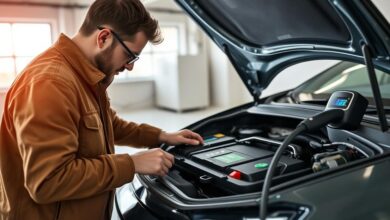
Most manufacturers provide a built‑in health report accessible through the vehicle’s app or infotainment screen. For deeper insight, consider third‑party diagnostic tools that read State‑of‑Health (SOH) percentages, cell balance, and internal resistance.
- Schedule a professional battery health check every 2–3 years, especially if you notice a sudden drop in range.
- Use the vehicle’s “Battery Health” feature to set alerts for temperature spikes or abnormal discharge rates.
- When buying a used EV, request a full battery diagnostic report to avoid hidden degradation.
Choosing the Right EV Model for Battery Durability
Comparison of Top EV Models
Not all EVs are created equal when it comes to battery longevity. Below is a snapshot of three popular models, focusing on factors that matter to long‑term owners.
| Model | Starting Price | Battery Capacity (kWh) | Estimated SOH after 8 years | Key Longevity Feature | Best For |
|---|---|---|---|---|---|
| Tesla Model Y | $49,990 | 75 kWh | ≈ 90 % | Active liquid cooling & OTA updates | Tech‑focused families |
| Hyundai Ioniq 5 | $45,500 | 77.4 kWh | ≈ 88 % | Heat‑pump climate control, 10‑year warranty | Urban commuters |
| Ford Mustang Mach‑E | $44,095 | 88 kWh | ≈ 85 % | Modular battery pack, robust BMS | Performance enthusiasts |
All three models offer strong warranties (typically 8 years or 100,000 miles) that protect against premature capacity loss, but the Tesla’s continuous OTA refinements give it a slight edge in long‑term battery health.
Financial Impact: How Proper ev Battery Care Saves Money
The cost of replacing an EV battery can range from $5,000 to $15,000, depending on the vehicle and capacity. By following the practices outlined above, owners can delay or even avoid this expense.
- Extended warranty coverage. Maintaining the battery within recommended charge windows can keep you eligible for the full warranty period.
- Higher resale value. A battery with ≥ 90 % SOH typically commands a premium of 5‑10 % over comparable used EVs.
- Reduced energy costs. Optimized charging (using off‑peak rates and avoiding fast chargers) can lower electricity bills by up to 20 % per year.
- Lower maintenance overhead. Proper thermal management reduces wear on ancillary components like the cooling pump and power electronics.
In aggregate, disciplined battery stewardship can translate into thousands of dollars saved over the vehicle’s lifespan, making the EV ownership experience both greener and more economical.
Frequently Asked Questions
Is it better to charge my ev battery to 100 % for daily use?
Charging to 100 % is fine for occasional long trips, but for daily driving it’s best to stay within a 20 %–80 % window. This reduces voltage stress and heat buildup, extending overall battery life.
How often should I use a fast charger?
Fast DC chargers are great for emergencies or road trips, but regular use can accelerate degradation. Aim to limit fast charging to no more than once a week for typical commuting patterns.
Can cold weather permanently damage an ev battery?
Cold temperatures temporarily reduce range and increase internal resistance, but they do not cause permanent damage if the battery is kept within the manufacturer’s recommended temperature range. Pre‑conditioning while plugged in mitigates most cold‑related issues.
What is a good mileage threshold for buying a used EV?
Look for used EVs with less than 30,000 miles and a reported State‑of‑Health (SOH) of 85 % or higher. A solid warranty remaining (e.g., at least 4 years) adds an extra layer of confidence.
Should I lease or buy an EV to protect the battery?
Leasing often includes battery coverage for the lease term, which can be advantageous if you’re concerned about degradation. Buying gives you full control over charging habits and the potential to retain a high‑SOH battery for resale.