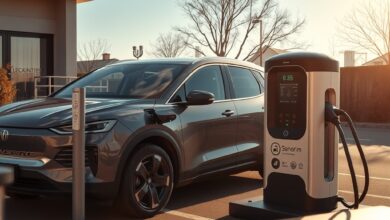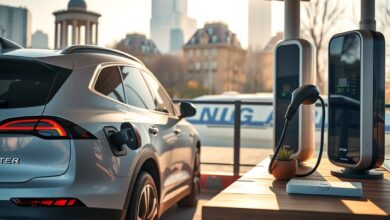

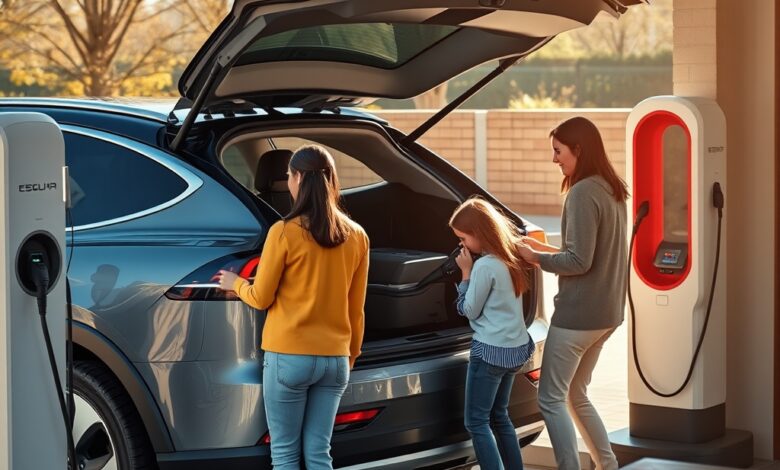
Family car shoppers are feeling the electric surge, and the buzz isn’t just about sedans or compact hatchbacks. Electric SUVs are taking the spotlight, offering the space families need while delivering zero‑emission performance. As automakers roll out more models, the market is shifting from “if I can afford an EV” to “which electric SUV fits my lifestyle?” This wave of electrified utility vehicles promises lower running costs, advanced safety tech, and a greener footprint—all without sacrificing the roominess that modern families demand.
Why electric SUVs are reshaping family transportation
In 2024, electric SUVs have become the go‑to choice for families looking to future‑proof their garage. Their higher ride height, flexible cargo space, and all‑wheel‑drive options meet the practical needs of school runs, weekend getaways, and daily commutes. At the same time, improvements in battery density and charging infrastructure have erased many of the range anxieties that once limited EV adoption.
Key drivers behind this shift include:
- Government incentives that favor larger EVs for reducing overall fleet emissions.
- Lower total cost of ownership (TCO) compared with comparable gasoline SUVs.
- Consumer demand for tech‑heavy interiors—think large touchscreens, over‑the‑air updates, and advanced driver‑assist systems.
Market momentum: sales data and consumer trends
According to the latest industry reports, electric SUV registrations grew by 68 % in the United States during the first three quarters of 2024, outpacing the growth of all other EV segments. In Europe, the trend is even more pronounced, with electric SUVs now accounting for 42 % of all new EV sales.
What’s fueling this surge?
- Price parity: More manufacturers are pricing entry‑level electric SUVs under $45,000, narrowing the gap with traditional gasoline models.
- Range confidence: Average EPA‑rated ranges have climbed to 280‑300 miles, enough for most family trips without a mid‑day charge stop.
- Charging accessibility: Public fast‑charging networks now cover 85 % of urban and suburban areas, and many new homes include pre‑wired EV chargers.
For families, these metrics translate into real‑world benefits: fewer trips to the pump, predictable travel planning, and the peace of mind that comes from driving a vehicle with top‑tier safety ratings.
Key features families care about in electric SUVs
When evaluating an electric SUV, families typically prioritize three categories: space, safety, and cost efficiency. Below are the most sought‑after attributes and why they matter.
Spacious interiors and flexible cargo solutions
- Third‑row seating that folds flat for a cargo area of 70+ cubic feet.
- Sliding rear seats for easy access to the third row.
- Flat floor designs that maximize legroom thanks to the absence of a driveshaft tunnel.
Advanced safety and driver‑assist technologies
- Standard forward‑collision warning with automatic emergency braking.
- Adaptive cruise control with lane‑keeping assist—essential for long highway trips.
- Built‑in battery‑thermal‑management systems that protect against overheating during extreme weather.
Cost‑efficiency and ownership incentives
- Federal tax credit up to $7,500 (subject to phase‑out thresholds).
- State rebates ranging from $2,000 to $5,000 for qualifying electric SUVs.
- Lower maintenance costs: no oil changes, fewer moving parts, and regenerative braking extending brake life.
Comparing the 2024 electric SUV lineup
Below is a snapshot of the most compelling electric SUVs released for the 2024 model year. The table highlights price, range, seating capacity, and standout features, helping families quickly identify the best fit for their needs.
Comparison of Top 2024 Electric SUVs
| Model | Starting Price | EPA Range | Seating Capacity | Key Feature | Pros | Best For |
|---|---|---|---|---|---|---|
| Tesla Model Y | $49,990 | 330 miles | 5‑7 | Supercharger network | Fast charging, strong resale value | Tech‑savvy families |
| Ford Mustang Mach‑E | $46,500 | 300 miles | 5 | Co‑Pilot 360 ADAS | Sporty handling, spacious front seats | Active families who love performance |
| Hyundai Ioniq 5 | $44,200 | 303 miles | 5 | 800‑V fast‑charging (up to 80 % in 18 min) | Modern interior, excellent warranty | Budget‑conscious buyers |
| Kia EV6 | $45,990 | 310 miles | 5 | GT‑Line sport package | Stylish design, solid performance | Families seeking a blend of style and utility |
| Volkswagen ID.4 | $42,000 | 260 miles | 5 | Integrated infotainment with CarPlay | Affordable entry point, roomy cabin | First‑time EV families |
When comparing these models, families should weigh the importance of range versus price, as well as the availability of fast‑charging stations in their typical travel corridors. For example, the Tesla Model Y offers the longest range, but its premium price may be offset by the convenience of the Supercharger network. Conversely, the Hyundai Ioniq 5 provides a competitive range at a lower price, making it an attractive option for those who can rely on third‑party fast chargers.
Financing and ownership strategies for electric SUVs
Purchasing an electric SUV involves more than just the sticker price. Smart buyers consider financing structures, lease incentives, and long‑term savings. Below are the most effective approaches.
Leasing vs. buying: which makes sense for families?
- Leasing: Lower monthly payments, ability to upgrade to newer technology every 2‑3 years, and often includes complimentary maintenance. Ideal for families who expect rapid tech evolution and want to avoid battery degradation concerns.
- Buying: Higher upfront cost but lower total cost over 5‑7 years, especially when factoring in federal tax credits. Best for families planning to keep the vehicle long‑term and benefit from reduced fuel and maintenance expenses.
Tip: When buying, consider a zero‑percent financing offer combined with the federal tax credit. This can bring the effective price down by up to $7,500, dramatically improving the ROI.
Utilizing rebates and incentives
Many states offer additional perks such as reduced registration fees, HOV lane access, and utility‑company rebates for home charger installations. Create a checklist before you start shopping:
- Check federal tax credit eligibility (vehicle price caps, manufacturer limits).
- Research state or local rebates (e.g., California’s Clean Vehicle Rebate Project).
- Confirm utility incentives for Level 2 home chargers.
- Ask the dealer about dealer‑offered cash incentives for EVs.
Calculating total cost of ownership (TCO)
A realistic TCO analysis should include:
- Purchase price after incentives.
- Financing interest or lease payments.
- Estimated electricity cost (average $0.13/kWh) versus gasoline.
- Maintenance savings (average $300‑$500 per year).
- Depreciation rates (electric SUVs tend to hold value better than early‑generation EVs).
For a typical family driving 15,000 miles per year, an electric SUV can save $1,200‑$1,800 annually on fuel alone, which quickly offsets any higher upfront cost.
Future outlook: technology trends shaping the next generation of electric SUVs
Looking ahead, several emerging technologies will further cement electric SUVs as the family vehicle of choice.
Battery advancements and solid‑state cells
By 2027, solid‑state batteries are expected to enter production, offering 20‑30 % higher energy density and faster charging times. Families will benefit from longer ranges without increasing vehicle size, and charging sessions could shrink to under 10 minutes for an 80 % charge.
Integrated solar roofs
Some manufacturers are piloting solar‑roof panels that can add up to 30 miles of range per day in sunny climates. While not a primary power source, this feature reduces reliance on grid electricity for short daily commutes.
Enhanced driver‑assist and autonomous capabilities
Level 2+ and Level 3 autonomy features are becoming standard in many 2024 electric SUVs. These systems can handle highway cruising, traffic‑jam stop‑and‑go, and even limited urban navigation—greatly reducing driver fatigue on long family trips.
Smart charging ecosystems
Vehicle‑to‑grid (V2G) technology will allow families to feed stored energy back into the home during peak demand, potentially lowering electricity bills and providing backup power during outages.
As these innovations mature, the value proposition of electric SUVs will only improve, offering families an ever‑greater blend of sustainability, convenience, and safety.
Frequently Asked Questions
Is it better to lease or buy an electric SUV for a family?
Leasing offers lower monthly payments and the ability to upgrade every few years, which is appealing if you want the latest tech. Buying, however, provides long‑term savings, especially after tax credits and incentives, and eliminates mileage restrictions—making it a solid choice for families planning to keep the vehicle for 5‑7 years or more.
How much does it cost to charge an electric SUV at home?
With an average electricity rate of $0.13 per kilowatt‑hour, a 75 kWh battery (typical for many 2024 models) costs about $9.75 for a full charge. Most families charge overnight, so a daily cost of $1‑$2 is common for average driving patterns.
What range is realistic for a family electric SUV on a road trip?
Most 2024 electric SUVs provide 260‑330 miles of EPA‑rated range. With a well‑planned route that includes fast‑charging stops (approximately every 150‑180 miles), families can comfortably cover cross‑country trips without significant downtime.
Do electric SUVs qualify for HOV lane access?
In many states, EVs—including electric SUVs—receive HOV lane stickers or plate exemptions. Check your state’s Department of Transportation website for specific eligibility and application procedures.
How does battery warranty affect my purchase decision?
Most manufacturers offer an