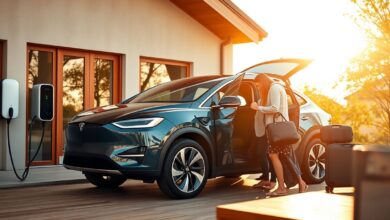


Why Electric SUVs Are Redefining Family Travel
The automotive landscape is undergoing a rapid electrification, and electric SUVs are at the forefront of this shift. Families are no longer forced to choose between space, safety, and sustainability—they can have all three in a single vehicle. With zero‑emission powertrains delivering instant torque, the newest 2024 models are turning road trips into quiet, cost‑effective adventures while keeping everyone comfortable and secure. As charging networks expand and federal incentives sweeten the deal, savvy shoppers are discovering that an electric SUV can be the smartest investment for today’s eco‑conscious household.
Performance Metrics Every Family Should Evaluate
When assessing a family‑friendly electric SUV, look beyond the badge and focus on real‑world performance indicators that affect daily life.
Power and Acceleration
- Horsepower & Torque: Higher torque delivers smoother starts from stoplights and easier merging onto highways—crucial when you’re juggling car seats and cargo.
- 0‑60 mph Times: While not a race car, a sub‑6‑second sprint ensures confident passing and overtaking on busy routes.
Range and Efficiency
- EPA‑Estimated Range: Aim for at least 250 miles to comfortably cover most weekend getaways without frequent stops.
- MPGe (Miles per Gallon Equivalent): Higher MPGe translates to lower electricity costs per mile, a key budgeting factor.
Payload and Towing Capacity
- Maximum Payload: Ensure the SUV can handle the weight of strollers, sports gear, and grocery hauls.
- Towing Rating: If you plan to tow a boat or trailer, look for a minimum of 3,500 lb capacity.
Technology and Safety Features That Matter for Families
Modern electric SUVs pack a suite of tech that enhances both convenience and protection. Prioritize features that simplify life on the road and keep occupants safe.
Advanced Driver‑Assistance Systems (ADAS)
- Adaptive Cruise Control (ACC): Maintains a set distance from the car ahead, reducing driver fatigue on long drives.
- Automatic Emergency Braking (AEB): Detects imminent collisions and applies brakes to mitigate impact.
- Lane‑Keeping Assist (LKA): Gently steers the vehicle back into its lane if drift is detected.
Infotainment and Connectivity
- Large Touchscreen Interface: Enables easy access to navigation, streaming, and vehicle settings for passengers of all ages.
- Wireless Apple CarPlay/Android Auto: Keeps smartphones connected without cluttering the cabin.
- Multiple USB‑C Ports: Essential for charging tablets, laptops, and phones on the go.
Family‑Friendly Comfort
- Third‑Row Seating: Look for flexible, fold‑flat seats that expand cargo space when not in use.
- Quiet Cabin: Electric drivetrains reduce road noise, creating a calmer environment for children.
- Climate Control Zones: Dual‑ or tri‑zone systems let rear passengers set their own temperature.
Budgeting for an Electric SUV: Purchase vs. Lease
Financing an electric SUV requires a clear understanding of total cost of ownership (TCO). Below is a quick guide to help families decide whether buying or leasing makes more sense.
Buying Advantages
- Eligibility for federal tax credits (up to $7,500) and state rebates.
- Long‑term savings on fuel and maintenance.
- Freedom to customize the vehicle and retain equity.
Leasing Advantages
- Lower monthly payments and reduced upfront cash outlay.
- Access to the latest technology every 2‑3 years.
- Warranty coverage typically lasts the entire lease term, minimizing repair costs.
Cost‑Comparison Snapshot
- Down Payment: Buying often requires 10‑20% of the MSRP; leasing may need as little as $2,000.
- Monthly Payment: Lease payments can be 30‑40% lower than loan payments for the same model.
- End‑of‑Term: Buying ends with ownership; leasing may involve disposition fees and mileage overage charges.
Charging Infrastructure and Real‑World Range Considerations
Even the most capable electric SUV is only as good as the charging network supporting it. Families should evaluate both home‑charging options and public fast‑charging availability.
Home Charging Solutions
- Level 2 (240 V) Wallbox: Provides 20‑30 miles of range per hour of charge—ideal for overnight replenishment.
- Smart Chargers: Allow scheduling during off‑peak hours to reduce electricity bills.
- Portable Level 1 (120 V) Cable: Useful as a backup, but adds only 3‑5 miles per hour.
Public Fast‑Charging Networks
- DC Fast Chargers (150‑350 kW): Add 80‑100 miles of range in 15‑20 minutes on most 2024 models.
- Network Compatibility: Choose SUVs that support major networks (Electrify America, ChargePoint, EVgo) for seamless travel.
- Charging Etiquette: Plan stops at stations with multiple stalls to avoid wait times during peak travel periods.
Real‑World Range Tips
- Use eco‑mode settings to extend range on highway cruising.
- Avoid excessive cabin heating; consider heated seats as a more efficient alternative.
- Keep tires properly inflated to maximize efficiency.
Top Picks for 2024: Detailed Model Reviews
After evaluating performance, technology, and cost, we’ve narrowed the field to the most compelling 2024 electric SUVs for families. Each model offers a unique blend of space, safety, and sustainability.
2024 Tesla Model Y
The Model Y continues to dominate with its impressive 330‑mile EPA range, rapid 0‑60 mph in 4.8 seconds, and a minimalist interior that still accommodates a third row for occasional use. Tesla’s Supercharger network remains a decisive advantage for cross‑country trips.
2024 Ford Mustang Mach‑E 4‑xe (Hybrid‑Electric)
While not a pure EV, the Mach‑E 4‑xe offers an electric‑only range of 35 miles plus a gasoline engine for longer journeys. Its rugged styling and spacious cargo area make it a versatile family option.
2024 Hyundai Ioniq 5
The Ioniq 5 dazzles with an 80‑kWh battery delivering up to 300 miles of range, ultra‑fast 200‑kW charging, and a flat floor that creates a roomy cabin. Its sliding rear doors are a boon for loading child seats.
2024 Kia EV6
Sharing a platform with the Ioniq 5, the EV6 offers a sportier driving feel, 310‑mile range, and a distinctive “crossover‑sport” design. The interior includes a 14‑inch central display and a robust suite of ADAS features.
2024 Volkswagen ID.4 Pro
The ID.4 Pro balances affordability with practicality, delivering 260 miles of range and a well‑tuned suspension for comfort. Its intuitive infotainment system and generous warranty make it family‑friendly.
Comparison of 2024 Electric SUVs
| Model | Starting Price | EPA Range | 0‑60 mph | Key Family Feature | Best For |
|---|---|---|---|---|---|
| Tesla Model Y | $49,990 | 330 miles | 4.8 sec | Access to Supercharger network | Tech‑savvy families |
| Ford Mustang Mach‑E 4‑xe | $46,500 | 35 miles (electric‑only) | 5.5 sec | Hybrid flexibility for long trips | Families needing occasional extra range |
| Hyundai Ioniq 5 | $45,000 | 300 miles | 5.2 sec | Sliding rear doors | Urban families with tight parking |
| Kia EV6 | $48,200 | 310 miles | 5.0 sec | Sporty handling | Active families who love performance |
| Volkswagen ID.4 Pro | $42,000 | 260 miles | 6.2 sec | Affordability + solid warranty | First‑time EV buyers |
How to Choose the Right Electric SUV for Your Family
Selecting the perfect electric SUV involves matching vehicle attributes to your household’s unique needs.
Assess Your Daily Driving Patterns
- Calculate average daily miles; aim for a range that exceeds this by at least 30% to accommodate unexpected trips.
- Consider the availability of home charging—if you can install a Level 2 charger, a lower‑range model may suffice.
Evaluate Space Requirements
- Count the number of child seats, pet carriers, and sports equipment you regularly transport.
- Test third‑row accessibility; some models require folding the second row first.
Factor in Total Cost of Ownership
- Include electricity rates, potential tax credits, and insurance premiums in your budgeting.
- Compare warranty coverage—most manufacturers offer 8‑year/100,000‑mile battery guarantees.
Future‑Proof Your Investment
- Look for over‑the‑air (OTA) software updates that add features and improve performance