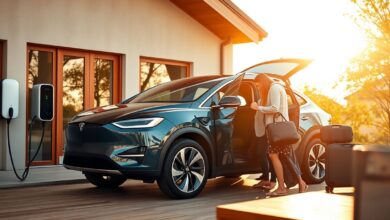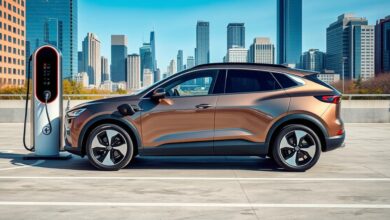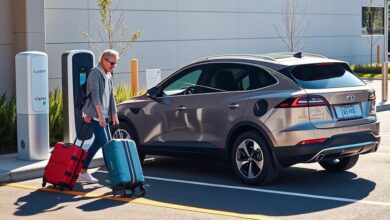

The automotive landscape is undergoing a seismic shift, and the 2025 lineup of electric SUVs is leading the charge. As more drivers demand the versatility of an SUV without the emissions of a gasoline engine, the market is responding with a flood of high‑tech, long‑range options. Whether you’re a family commuter, an adventure seeker, or a city dweller, the rise of electric SUVs means you can finally have space, power, and sustainability in one package. In this guide we’ll break down the most compelling 2025 electric SUVs, compare them to their gas‑powered rivals, and give you the practical tools you need to make a confident purchase.
Key Criteria for Choosing a 2025 Electric SUV
Before you dive into specific models, it’s essential to understand the metrics that truly matter for electric SUVs. These criteria will help you filter the overwhelming options and focus on the vehicles that align with your lifestyle and budget.
Range and Real‑World Efficiency
- Look for EPA‑estimated range that comfortably exceeds your typical weekly mileage plus a safety buffer (usually 15‑20%).
- Consider the vehicle’s efficiency rating (miles per kWh) to gauge how much you’ll spend on electricity versus gasoline.
- Check for a range buffer for cold weather, as batteries lose up to 20% capacity in low temperatures.
Charging Infrastructure and Home Setup
- Level 2 home chargers (240 V) are a must for overnight charging; confirm the SUV’s compatible charging rate (kW).
- Fast‑charging capability (150 kW or higher) can cut a 0‑80% charge to under 30 minutes on public networks.
- Verify that the brand has access to a robust fast‑charging network or partnerships with third‑party providers.
Performance and Towing Capacity
- Electric SUVs often deliver instant torque, making them quicker off the line than many gas rivals.
- If you need to tow a trailer or boat, check the manufacturer’s rated towing capacity (many now exceed 5,000 lb).
- All‑wheel‑drive (AWD) variants are common and provide better traction in snow and off‑road conditions.
Price, Incentives, and Total Cost of Ownership
- Base MSRP is only part of the story; factor in federal tax credits, state rebates, and dealer incentives.
- Calculate the total cost of ownership (TCO) over five years, including electricity costs, maintenance, and depreciation.
- Many electric SUVs qualify for lower insurance rates due to advanced safety features.
Top 2025 Electric SUVs Compared
The following models have earned top marks from industry reviewers, early adopters, and safety agencies. Each offers a unique blend of range, performance, and technology that makes it a strong contender in the electric SUV segment.
Comparison of Leading 2025 Electric SUVs
| Model | Starting Price | EPA Range | Fast‑Charging Speed | Key Feature | Pros | Best For |
|---|---|---|---|---|---|---|
| Ford Mustang Mach‑E 4‑xe (2025) | $49,990 | 300 miles | 150 kW | Sport‑tuned handling | Engaging drive, strong brand heritage | Enthusiasts who want SUV practicality |
| Hyundai Ioniq 6 SUV (2025) | $45,500 | 340 miles | 220 kW | Ultra‑efficient aerodynamic design | Best efficiency in class, spacious interior | Long‑distance commuters |
| Kia EV9 (2025) | $48,200 | 310 miles | 200 kW | Modular interior with configurable seating | Family‑friendly, bold styling | Growing families needing flexibility |
| Volkswagen ID.4 GTX (2025) | $46,750 | 285 miles | 125 kW | Performance‑oriented AWD system | Balanced performance and comfort | Drivers seeking sporty dynamics |
| Chevrolet Bolt EUV (2025 Refresh) | $34,995 | 260 miles | 115 kW | Advanced driver‑assist suite | Affordably priced, strong safety package | First‑time EV buyers on a budget |
When evaluating these models, consider how each aligns with the criteria outlined above. For instance, the Hyundai Ioniq 6 SUV offers the longest range, making it ideal for drivers who frequently travel long distances. Meanwhile, the Kia EV9’s flexible interior is perfect for families that need extra cargo space without sacrificing electric efficiency.
Electric SUVs vs. Gasoline SUVs: Practical Pros and Cons
Choosing between an electric SUV and a traditional gasoline SUV often comes down to lifestyle, driving habits, and long‑term financial goals. Below is a side‑by‑side look at the most significant differences.
Advantages of Electric SUVs
- Zero Tailpipe Emissions: Reduces your carbon footprint and often qualifies for low‑emission zone access.
- Lower Operating Costs: Electricity is generally cheaper per mile than gasoline, and EVs have fewer moving parts, reducing maintenance.
- Instant Torque: Provides brisk acceleration, useful for merging onto highways or navigating steep inclines.
- Tax Incentives: Federal and state credits can offset a substantial portion of the purchase price.
Potential Drawbacks of Electric SUVs
- Up‑Front Price: Even after incentives, EVs can carry a higher sticker price than comparable gas models.
- Charging Time: While fast chargers are improving, a full charge still takes longer than a gasoline fill‑up.
- Range Anxiety: Drivers in regions with sparse charging infrastructure may feel limited on longer trips.
- Resale Uncertainty: Battery degradation and evolving technology can affect future resale values.
When a Gas SUV Still Makes Sense
- Frequent long‑haul trips in areas lacking fast‑charging stations.
- Need for maximum towing capacity (some EVs still lag behind diesel or V8 options).
- Budget constraints where the total cost of ownership over five years favors gasoline.
Financing, Leasing, and Incentives for 2025 Electric SUVs
Understanding the financial landscape is crucial to turning an electric SUV from a dream into a reality. Below we break down the most common purchasing routes and the incentives that can tip the scales.
Buying vs. Leasing an Electric SUV
- Buying: Ideal for drivers who plan to keep the vehicle for 5+ years, allowing you to fully benefit from lower operating costs and eventual resale value.
- Leasing: Attractive for those who want to upgrade every 2–3 years to the latest battery tech or who prefer lower monthly payments.
- Leases often include mileage limits; exceeding them can be costly, so choose a plan that matches your typical annual mileage (e.g., 12,000‑15,000 mi).
Key Incentives to Watch in 2025
- Federal Tax Credit: Up to $7,500 for qualifying EVs, subject to manufacturer caps.
- State Rebates: Vary by region; California, New York, and Colorado continue to offer $2,000‑$5,000 cash rebates.
- Utility Programs: Some utilities provide discounted home‑charging rates or free public charging credits.
- Dealer Discounts: End‑of‑year clearance events often bundle accessories and extended warranties.
Calculating Total Cost of Ownership (TCO)
Use the following simple formula to estimate five‑year TCO for an electric SUV:
TCO = Purchase Price – Incentives + (Annual Electricity Cost × 5) + Maintenance + Insurance – Residual Value
Compare this figure against the TCO of a comparable gasoline SUV to see which truly saves you money over the vehicle’s life.
Future Trends Shaping the Electric SUV Segment
The electric SUV market is still in its infancy, and several emerging trends will influence buyer decisions through 2026 and beyond.
Battery Technology Advances
- Solid‑state batteries promise higher energy density and faster charging, potentially adding 50‑100 miles of range per 10‑minute charge.
- Modular battery packs could allow owners to upgrade capacity without replacing the entire vehicle.
Expanded Charging Networks
- Major automakers are investing in proprietary fast‑charging stations, aiming for 1,000+ locations by 2027.
- Public‑sector initiatives are increasing the number of Level 3 DC fast chargers along interstate corridors.
Software‑Defined Vehicles
- Over‑the‑air (OTA) updates will continue to improve range, performance, and driver‑assist features long after purchase.
- Subscription‑based features (e.g., enhanced autopilot, premium audio) allow owners to tailor the vehicle to evolving needs.
Regulatory Landscape
- Several states are setting zero‑emission vehicle (ZEV) mandates that will accelerate EV adoption.
- Upcoming emissions standards may restrict sales of new gasoline SUVs after 2030, making early adoption of electric SUVs a forward‑looking strategy.
Practical Steps to Take Before Buying Your 2025 Electric SUV
Now that you’ve explored the models, financing options, and future outlook, follow this checklist to ensure a smooth purchase experience.
Step‑by‑Step Buying Checklist
- Assess Your Driving Needs: Calculate average weekly miles, typical routes, and any long‑distance trips.
- Research Incentives: Use government and manufacturer websites to confirm eligibility.
- Test Drive Multiple Models: Pay attention to cabin comfort, visibility, and infotainment ergonomics.
- Verify Home Charging Compatibility: Ensure your garage wiring can support a Level 2 charger; consider hiring an electrician.
- Get Pre‑Approved Financing: Compare rates from banks, credit unions, and dealer financing.
- Negotiate the Final Price: Use the TCO calculation to justify a lower MSRP or additional accessories.
- Review Warranty and Service Plans: Look for battery coverage of at least 8 years or 100,000 mi.
After Purchase: Maximizing Your Electric SUV Experience
- Schedule regular software updates to keep the battery management system optimized.
- Set up a home charging schedule that takes advantage of off‑peak electricity rates.
- Join owner clubs or online forums for tips on maximizing