

Why Families Are Turning to Electric SUVs in 2024
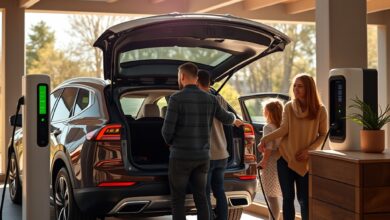
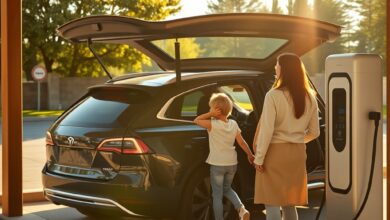
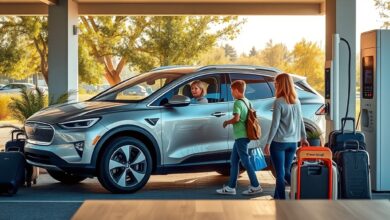
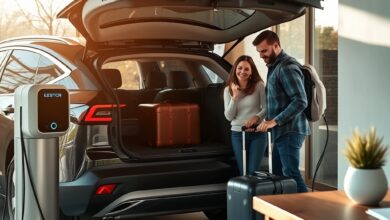
The automotive landscape is undergoing a rapid electrification, and families are at the forefront of this shift. An electric SUV offers the perfect blend of space, safety, and zero‑emission driving that modern households crave. From school runs to weekend road trips, parents are looking for a vehicle that can handle daily duties while reducing fuel costs and carbon footprints. The excitement of a quiet, instant‑torque powertrain is now paired with practical features like roomy cargo areas and advanced driver‑assist systems, making the electric SUV a compelling family choice.
Key Factors to Evaluate When Choosing an Electric SUV
Range and Real‑World Driving Needs
Range anxiety is still a top concern for many buyers, especially those who travel long distances with kids in the back seat. When assessing an electric SUV, consider the EPA‑rated range, but also test the real‑world numbers based on your typical driving patterns:
- Average daily commute (miles per day)
- Weekly weekend trips (potential 150‑200 mi outings)
- Seasonal temperature impacts on battery efficiency
Choose a model that comfortably exceeds your longest regular trip by at least 30 % to provide a safety buffer.
Charging Infrastructure and Home Setup
Even the best‑performing electric SUV will fall short if you cannot charge it conveniently. Evaluate both public and residential charging options:
- Level 2 home charger (240 V) – ideal for overnight charging
- DC fast‑charging network coverage along your common routes
- Availability of workplace or school charging stations
Many manufacturers now bundle a home charger with the purchase, which can significantly lower the total cost of ownership.
Space, Safety, and Comfort for Kids
Family-friendly features go beyond seat count. Look for an electric SUV that scores high in crash tests and offers child‑seat anchor points (LATCH) in every rear row. Additional comfort considerations include:
- Adjustable third‑row seating for flexible cargo‑passenger balance
- Rear‑seat climate controls and USB‑C ports for device charging
- Noise‑cancelling cabin insulation to keep the interior quiet during highway cruising
High safety ratings from NHTSA and IIHS are non‑negotiable for a family vehicle.
Top Electric SUV Models to Consider in 2024
Comparison of Leading Electric SUVs
| Model | Starting Price | EPA Range | Seating Capacity | Key Feature | Best For |
|---|---|---|---|---|---|
| Tesla Model Y | $54,990 | 330 miles | 7 (optional third row) | Extensive Supercharger network | Tech‑savvy families |
| Ford Mustang Mach‑E 4‑Row | $58,500 | 300 miles | 7 | Integrated infotainment with SYNC 4 | Active households needing cargo flexibility |
| Volkswagen ID.4 AWD Pro | $44,995 | 260 miles | 5 | Spacious interior with flat floor | Budget‑conscious families |
| Hyundai Ioniq 5 Ultimate | $55,500 | 305 miles | 5 | 800‑volt ultra‑fast charging (10%‑80% in 18 min) | Families who value quick top‑ups |
| Kia EV6 GT-Line | $57,300 | 310 miles | 5 | Advanced driver‑assist suite | Safety‑first families |
| Volvo XC40 Recharge | $59,800 | 223 miles | 5 | Scandinavian safety tech | Premium‑oriented families |
Each of these electric SUVs brings a unique blend of range, price, and family‑focused amenities. Your final decision should align with the factors discussed earlier—range, charging convenience, safety scores, and interior flexibility.
Financing and Ownership Strategies for an Electric SUV
Buying vs. Leasing an Electric SUV
When it comes to financing an electric SUV, the decision between buying and leasing hinges on your long‑term plans and cash flow. Below is a quick side‑by‑side look:
- Buying – Higher upfront cost or loan payments, but you own the vehicle outright, benefit from resale value, and can keep the car for as long as you wish.
- Leasing – Lower monthly payments and the ability to upgrade to newer technology every 2–3 years, but mileage caps and wear‑and‑tear fees can add up.
Because EV depreciation is still stabilizing, many families find buying more economical over a 5‑year horizon, especially when factoring in federal tax credits that reduce the effective purchase price.
Incentives, Tax Credits, and Rebates
The federal government currently offers a clean‑vehicle tax credit of up to $7,500 for qualifying electric SUVs, though the amount phases out as manufacturers hit sales caps. State and local programs can add additional rebates, free charging station installations, or reduced registration fees. To maximize savings:
- Check your state’s Department of Motor Vehicles website for EV incentives.
- Ask the dealer about dealer‑level cash incentives that are not advertised online.
- Consider timing your purchase to align with the end of a manufacturer’s tax‑credit eligibility window.
These incentives can bring the effective price of a $55,000 electric SUV down to under $48,000, dramatically improving the total cost of ownership.
Insurance Considerations
Insurance premiums for electric SUVs can be higher due to the cost of battery replacement and advanced technology. Mitigate this by:
- Choosing a policy that offers discounts for low‑mileage or eco‑friendly driving habits.
- Bundling your home and auto insurance for multi‑policy savings.
- Verifying that your insurer covers the vehicle’s software updates and over‑the‑air (OTA) upgrades.
Future‑Proofing Your Family’s Electric SUV Choice
Technology in the EV world evolves at a breakneck pace. To ensure your electric SUV remains relevant for years to come, pay attention to these forward‑looking aspects:
- Software Updates – Vehicles that receive OTA updates can improve range, add new driver‑assist features, and even unlock performance upgrades without a dealership visit.
- Battery Warranty – Look for a minimum 8‑year/100,000‑mile battery warranty to protect against degradation and costly replacements.
- Resale Value – Models with strong brand reputation and a robust charging network tend to retain value better, which is crucial if you plan to sell or trade in after a few years.
- Charging Compatibility – Ensure the vehicle supports CCS (Combined Charging System) fast chargers, which are becoming the industry standard across North America.
By selecting an electric SUV that scores high on these future‑proof criteria, you protect your family’s investment and stay ahead of the inevitable shift toward fully autonomous, shared‑mobility ecosystems.
FAQ
Is it better to lease or buy an electric SUV for a growing family?
Leasing offers lower monthly payments and the flexibility to upgrade to a newer model as technology improves, which can be attractive for families who anticipate changing needs. However, buying typically provides better long‑term value, especially when you factor in federal tax credits, lower depreciation for certain models, and the ability to keep the vehicle beyond the lease term without mileage penalties.
How much range is sufficient for a typical family weekend trip?
A safe benchmark is a minimum of 250 miles of EPA‑rated range. This allows for a 150‑mile round‑trip plus a 30‑percent buffer for traffic, weather, and auxiliary loads such as climate control. Models like the Tesla Model Y and Hyundai Ioniq 5 comfortably exceed this threshold.
Can I install a Level 2 charger in a rented home?
Many landlords now permit Level 2 charger installations, especially if you cover the cost of equipment and electrical work. Always obtain written permission and verify that the property’s electrical panel can handle a 240‑V circuit before proceeding.
Do electric SUVs qualify for HOV lane access?
In most states, plug‑in electric vehicles—including electric SUVs—are eligible for HOV lane stickers or decals, provided they meet the state’s emission‑free criteria. Check your local Department of Transportation for specific requirements and application procedures.
What maintenance does an electric SUV require compared to a gasoline SUV?
Electric SUVs have fewer moving parts, eliminating the need for oil changes, spark plug replacements, and exhaust system repairs. Routine maintenance focuses on brake fluid, tire rotation, cabin‑air filter replacement, and battery health checks during service visits.