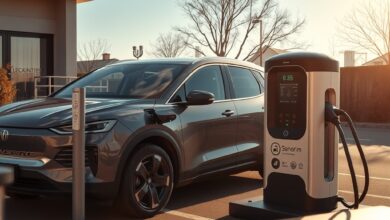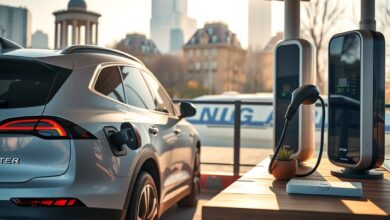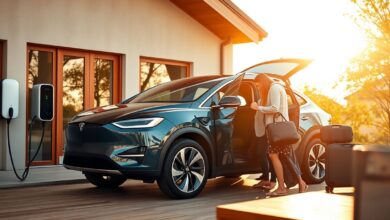

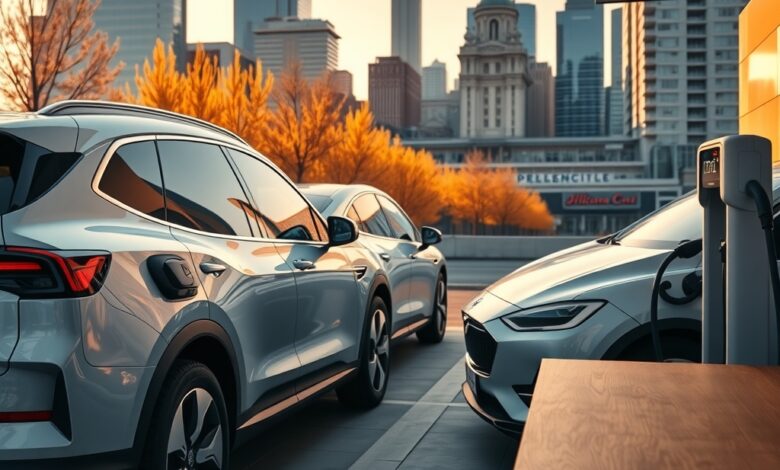
The automotive world is in the midst of a quiet revolution, and the most exciting headlines are coming from the SUV segment. In 2024, electric SUVs are not just a niche curiosity; they’re becoming the practical, cost‑effective alternative to traditional gasoline‑powered family haulers. With lower operating costs, expanding charging networks, and impressive driving ranges, these electric SUVs are reshaping how consumers think about utility and sustainability. If you’re weighing the switch from a gas‑guzzler to a silent, high‑tech powerhouse, this guide will show you why the electric SUV is the smart choice for today’s driver.
Why Electric SUVs Are Winning the Market in 2024
Electric SUVs combine the best of two worlds: the spacious, versatile platform that families love and the efficiency of an electric drivetrain. Several market forces are pushing these models ahead of their gasoline counterparts:
- Lower Total Cost of Ownership (TCO): Electricity is cheaper per mile than gasoline, and maintenance costs are reduced because EVs have fewer moving parts.
- Government Incentives: Federal tax credits, state rebates, and local utility discounts can shave thousands off the sticker price.
- Improved Range: Modern battery packs now deliver 250‑plus miles on a single charge, erasing range anxiety for most daily commutes.
- Infrastructure Growth: Fast‑charging stations are popping up along highways, making long trips feasible.
When you add the environmental benefits and the premium feel of instant torque, it’s clear why the electric SUV is becoming the default family vehicle for many buyers.
Key Factors to Compare When Shopping for an Electric SUV
Choosing the right electric SUV goes beyond just looking at the badge. Use this checklist to evaluate each model against your personal needs.
Performance and Range
- EPA‑rated range: Look for real‑world tests, not just manufacturer claims.
- 0‑60 mph acceleration: Useful for highway merging and passing.
- All‑wheel drive (AWD) options: Essential for winter climates or off‑road adventures.
Charging Capabilities
- Onboard charger power (kW): Higher rates mean faster home charging.
- DC fast‑charging speed (kW): Determines how quickly you can top up on the road.
- Compatibility with major networks (Electrify America, ChargePoint, etc.).
Interior Space and Practicality
- Cargo volume with seats up and folded.
- Third‑row seating availability for larger families.
- Infotainment system usability and smartphone integration.
Cost Factors
- Base price vs. gas‑SUV equivalents.
- Eligibility for federal tax credit (up to $7,500) and state incentives.
- Estimated annual electricity cost based on your local rates.
Warranty and Service
- Battery warranty length (usually 8 years or 100,000 miles).
- Availability of service centers and mobile technicians.
- Software update policies – over‑the‑air (OTA) updates keep the vehicle current.
Top 2024 Electric SUVs That Beat Gas in Cost and Range
Below is a curated list of 2024 electric SUVs that deliver compelling value, impressive range, and features that outshine comparable gasoline models.
Comparison of 2024 Electric SUVs
| Model | Starting Price | EPA Range | Key Feature | Pros | Best For |
|---|---|---|---|---|---|
| Tesla Model Y | $49,990 | 330 miles | Extensive Supercharger network | Fast charging, strong resale value, high-tech cabin | Tech‑savvy commuters |
| Ford Mustang Mach‑E AWD | $48,500 | 305 miles | Sporty handling with SUV practicality | Engaging drive, spacious interior, good warranty | Performance‑oriented families |
| Hyundai Ioniq 5 (Long‑Range) | $45,750 | 303 miles | Ultra‑fast 800V charging | Rapid charge, distinctive design, generous cargo space | Early adopters who value speed |
| Kia EV6 (GT‑Line) | $48,200 | 310 miles | Advanced driver‑assist suite | Stylish interior, strong performance, good warranty | Drivers seeking premium feel |
| Volkswagen ID.4 Pro | $41,990 | 260 miles | Family‑friendly pricing | Comfortable ride, ample rear space, competitive price | Budget‑conscious families |
| Volvo XC40 Recharge | $53,200 | 275 miles | Scandinavian safety tech | Top safety ratings, luxurious cabin, AWD standard | Safety‑first buyers |
Each of these models offers a blend of range, price, and features that can easily beat a comparable gasoline SUV on total cost of ownership. For instance, the Volkswagen ID.4 Pro starts under $42,000, while a similarly sized gas SUV like the Honda CR‑V Hybrid often exceeds $30,000 before incentives, but the electric version saves you on fuel and maintenance over a five‑year horizon.
Financing and Incentives: Getting the Best Deal on an Electric SUV
Even with attractive pricing, the upfront cost of an electric SUV can feel high. Smart financing strategies can close the gap.
Leasing vs. Buying
- Leasing: Lower monthly payments, ability to upgrade every 2‑3 years, and often includes maintenance packages. Ideal if you expect rapid tech improvements.
- Buying: Higher payments but you own the vehicle, benefiting from long‑term savings on fuel and maintenance. Good for drivers who keep cars 7+ years.
When comparing, factor in the federal tax credit. If you buy, the credit reduces your taxable liability; if you lease, the dealer usually passes the credit on as a lower lease rate.
State and Local Incentives
Many states offer additional rebates, reduced registration fees, or access to HOV lanes. Use tools like AFDC’s Incentives Finder to stack savings. Some utilities also provide free home charger installations up to a certain power level.
Low‑Interest EV Loans
Credit unions and online lenders are now offering loans with rates as low as 1.9% for qualified buyers. Compare APRs, loan terms, and any prepayment penalties before signing.
Tax Credit Timing
The federal credit phases out once a manufacturer sells 200,000 qualifying EVs. As of 2024, Tesla and GM have reached the cap, but newer entrants like Rivian and Lucid still qualify. Check the latest eligibility to ensure you capture the full benefit.
Future‑Proofing Your Purchase: Battery Warranty and Resale Value
Battery health is the most critical factor for long‑term ownership of an electric SUV. Here’s how to protect your investment.
Battery Warranty Essentials
- Standard coverage: 8 years or 100,000 miles, whichever comes first.
- Degradation guarantees: Some manufacturers promise less than 30% capacity loss within the warranty period.
- Transferability: A warranty that can be transferred to a new owner boosts resale value.
Resale Value Trends
Electric SUVs are holding value better than earlier EVs. According to Kelley Blue Book, the 2024 Tesla Model Y retains about 60% of its original price after three years, while the 2024 Hyundai Ioniq 5 holds roughly 55%. Factors influencing resale include:
- Battery health reports (available via on‑board diagnostics).
- Availability of software updates that add new features.
- Regional demand for EVs—states with strong incentives see higher resale prices.
Preparing for a Future Upgrade
If you plan to upgrade after a few years, consider the following:
- Choose a model with a robust OTA update track record.
- Maintain a detailed service log to prove proper care.
- Opt for a home charger that supports higher kW rates—future‑proofing your charging speed.
Practical Tips for Test Driving and Evaluating an Electric SUV
A test drive is your best opportunity to feel the difference between an electric SUV and a gasoline rival. Follow this structured approach.
Pre‑Drive Preparation
- Check the vehicle’s charge level; aim for at least 80% to test real‑world range.
- Ask the dealer to demonstrate regenerative braking and its impact on stop‑and‑go traffic.
- Bring a portable charger or inquire about on‑site charging speed.
During the Drive
- Assess acceleration from a standstill—electric SUVs often feel quicker than gas counterparts.
- Test the infotainment system’s responsiveness; voice commands and navigation should be seamless.
- Drive on a highway segment to verify advertised range under steady‑speed conditions.
- Switch between drive modes (Eco, Sport, Snow) to gauge energy consumption differences.
Post‑Drive Evaluation
- Review the energy‑consumption display; note the kWh/100 mi figure.
- Ask about the average cost per mile based on local electricity rates.
- Confirm warranty details, especially battery coverage and any service‑plan options.
Conclusion: Making the Switch to an Electric SUV Is More Than a Trend
In 2024, electric SUVs have matured into practical, cost‑effective alternatives that outshine gasoline models in both daily expenses and long‑term value. By focusing on range, charging infrastructure, incentives, and warranty protections, you can confidently choose an electric SUV that meets your family’s needs while saving money. Whether you lease for flexibility or buy for long‑term ownership, the tools and insights in this guide will help you navigate the market and drive away with a vehicle that truly beats gas.
Frequently Asked Questions
Is it better to lease or buy an electric SUV?
Leasing offers lower monthly payments and the ability to upgrade as technology improves, making it attractive for drivers who want the latest features. Buying, however, provides ownership benefits, such as tax credit eligibility and long‑term savings on fuel and maintenance. Consider how long you plan to keep the vehicle and whether you value flexibility over equity.
What is a realistic range for a 2024 electric SUV in real‑world driving?
Most 2024 electric SUVs deliver 250‑330 miles on a full charge under mixed driving conditions. Real‑world range can vary based on temperature, driving style, and terrain, so aim for a model with at least 20% more EPA‑rated range than your typical daily mileage.