

Why Electric SUVs Are the Smart Choice for Modern Families
The automotive landscape is undergoing a rapid electrification, and families are at the forefront of this shift. With electric SUVs delivering the space and safety of traditional sport‑utility vehicles while cutting emissions, they have become the go‑to option for eco‑conscious parents who still need practicality. Whether you’re loading up the kids for soccer practice or embarking on a weekend road trip, the quiet torque and instant acceleration of an electric powertrain make every drive feel smoother and more enjoyable.
Beyond the environmental benefits, electric SUVs now offer competitive pricing, generous federal and state incentives, and a growing network of fast‑charging stations that eliminate range anxiety for busy households. In this guide, we’ll walk you through everything you need to know to select the perfect electric SUV for your family in 2026.
Key Factors to Evaluate When Shopping for an Electric SUV
Range and Real‑World Driving Needs
Range remains the most frequently asked question by families considering an electric SUV. While manufacturers quote impressive EPA estimates, real‑world mileage can vary based on climate, cargo load, and driving style. Look for a model that offers at least 250 miles of EPA‑rated range to comfortably cover most daily commutes and occasional longer trips without frequent charging stops.
- Cold weather can reduce range by up to 15 % – consider a vehicle with a larger battery pack if you live in a northern climate.
- Check the vehicle’s energy consumption rating (Wh/mi) to compare efficiency across models.
- Plan charging stops using apps like PlugShare or ChargePoint to ensure you have access to fast chargers along your typical routes.
Seating Capacity and Interior Flexibility
Family comfort hinges on flexible seating configurations and cargo space. Most electric SUVs now come standard with three rows, but the third row’s legroom can differ dramatically. Prioritize models that allow the second‑row seats to slide forward or fold flat, creating a versatile cargo area for strollers, sports equipment, or grocery hauls.
Safety Features and Ratings
Safety is non‑negotiable for families. Look for electric SUVs that have earned top marks from the IIHS and NHTSA. Advanced driver‑assistance systems (ADAS) such as adaptive cruise control, lane‑keeping assist, and automatic emergency braking are increasingly standard and can reduce driver fatigue on long journeys.
Charging Infrastructure and Home Charging Options
Convenient charging is a decisive factor. Verify that the vehicle supports Level 2 AC charging (up to 11 kW) for home installation and that it can handle DC fast charging (150 kW or higher) for highway stops. Many manufacturers now offer bundled home charger packages or partnerships with utilities for discounted rates.
Total Cost of Ownership (TCO)
While the sticker price of an electric SUV may be higher than a comparable gasoline model, the TCO often tells a different story. Factor in fuel savings, lower maintenance costs, tax credits, and possible rebates when calculating your budget.
Top Electric SUVs for Families in 2026
2026 Tesla Model Y
The Model Y remains a favorite thanks to its impressive 330‑mile EPA range, spacious interior, and Tesla’s extensive Supercharger network. Its minimalist cabin design includes a 15‑inch touchscreen that controls most vehicle functions, reducing the need for physical buttons.
- Seating: 5‑7 (optional third‑row)
- Key Feature: 250 kW fast‑charging capability (10% to 80% in ~15 minutes)
- Pros: Strong resale value, over‑the‑air updates, robust ADAS suite
- Best For: Tech‑savvy families who travel frequently
2026 Ford Mustang Mach‑E (Extended Range)
Ford’s Mustang Mach‑E offers a compelling blend of performance and practicality. The extended‑range version delivers up to 305 miles, and its rear‑seat infotainment screens keep kids entertained on longer trips.
- Seating: 5
- Key Feature: SYNC 4A with over‑the‑air updates
- Pros: Strong V‑2L powertrain, wide dealer network, competitive pricing
- Best For: Families seeking a sportier driving experience
2026 Hyundai Ioniq 6 (SUV Variant)
Hyundai expands its Ioniq lineup with an SUV‑styled version of the aerodynamic Ioniq 6. With a 340‑mile range and a generous 30‑cubic‑foot cargo area, it balances efficiency with utility.
- Seating: 5
- Key Feature: 800‑volt architecture for 10‑minute DC fast charging
- Pros: Industry‑leading warranty, user‑friendly infotainment, excellent interior material quality
- Best For: Budget‑conscious families that value efficiency
2026 Kia EV9
The Kia EV9 is a bold, boxy SUV that emphasizes interior space. Its three‑row seating comfortably accommodates up to eight passengers, and the vehicle’s 300‑mile range is adequate for most daily needs.
- Seating: 6‑8 (configurable)
- Key Feature: Dual‑screen cockpit with augmented reality navigation
- Pros: Rugged styling, generous warranty, easy‑to‑use driver assistance features
- Best For: Large families needing maximum passenger capacity
2026 Volvo XC40 Recharge
Volvo’s XC40 Recharge brings Scandinavian safety philosophy to the electric SUV segment. With a 223‑mile range, it may fall short on long trips but excels in urban environments where charging is readily available.
- Seating: 5
- Key Feature: Pilot Assist semi‑autonomous driving system
- Pros: Premium interior, top safety ratings, strong brand heritage
- Best For: City‑dwelling families prioritizing safety and luxury
Comparison of Leading Family‑Focused Electric SUVs
| Model | Starting Price | EPA Range | Seating Capacity | Fast‑Charging Speed | Key Family Feature |
|---|---|---|---|---|---|
| Tesla Model Y | $49,990 | 330 miles | 5‑7 (optional) | 250 kW | Supercharger network, large cargo area |
| Ford Mustang Mach‑E (Extended) | $46,500 | 305 miles | 5 | 210 kW | Rear‑seat entertainment screens |
| Hyundai Ioniq 6 SUV | $44,990 | 340 miles | 5 | 350 kW | 800‑V fast charging, spacious interior |
| Kia EV9 | $48,990 | 300 miles | 6‑8 | 200 kW | Configurable three‑row seating |
| Volvo XC40 Recharge | $55,500 | 223 miles | 5 | 150 kW | Pilot Assist safety suite |
Financing and Incentives: Making an Electric SUV Affordable
Federal and State Tax Credits
In 2026, the federal EV tax credit still offers up to $7,500 for qualifying electric SUVs, though the amount phases out once a manufacturer exceeds 200,000 units sold. Many states add their own rebates ranging from $1,000 to $5,000, and some utilities provide additional time‑of‑use discounts for home charging.
Leasing vs. Buying for Families
Leasing an electric SUV can be attractive because it often includes maintenance coverage and allows you to upgrade to newer technology after 36 months. However, buying may make more sense if you plan to keep the vehicle for 8‑10 years, especially as battery degradation is minimal and resale values remain strong.
- Leasing Benefits: Lower monthly payments, warranty coverage for the entire lease term, flexibility to switch models.
- Buying Benefits: No mileage restrictions, ability to capitalize on long‑term savings, eligibility for additional state incentives.
Calculating Total Cost of Ownership
Use the following simple formula to estimate TCO over five years:
TCO = (Purchase Price – Incentives) + (Annual Electricity Cost × 5) + (Maintenance & Service) – (Resale Value)
For most electric SUVs, electricity costs average $0.13/kWh. A 75 kWh battery traveling 12,000 miles per year would cost roughly $1,170 annually in electricity, far less than the $1,800–$2,200 a comparable gasoline SUV would spend on fuel.
Future‑Proofing Your Family’s Mobility
Charging at Home: Preparing Your Garage
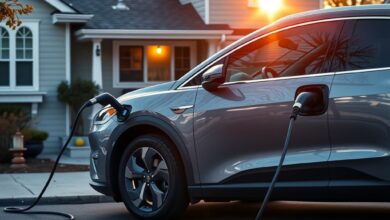
Installing a Level 2 charger (7.2 kW) typically costs $800–$1,200 plus electrical work. Many municipalities now offer rebates or streamlined permitting for residential EV chargers, making home installation more affordable. A well‑planned garage layout should also include dedicated conduit for future upgrades to 11 kW or higher.
Emerging Technologies to Watch
By the end of 2026, several innovations are set to enhance the family experience in electric SUVs:
- Vehicle‑to‑Home (V2H) Power: Select models will allow you to discharge your battery to power your home during outages, providing an extra layer of safety.
- Bi‑Directional Charging: Enables the SUV to act as a mobile charger for other EVs, useful for road trips with multiple electric vehicles.
- Advanced Over‑the‑Air (OTA) Updates: Continuous software improvements keep infotainment, navigation, and safety systems current without dealer visits.
Resale Value and Battery Longevity
Battery warranties now commonly cover 8 years or 100,000 miles, giving families confidence that the core component will outlast the vehicle’s useful life. Additionally, as the used‑EV market matures, electric SUVs retain higher resale percentages than many traditional SUVs, further improving their financial proposition.
Choosing the Right Trim for Family Needs
Most manufacturers offer multiple trim levels that add features such as premium audio, panoramic roofs, or advanced safety packs. When budgeting for a family, prioritize trims that include:
- Third‑row seating or easy‑fold mechanisms
- Rear‑seat USB‑C ports and HDMI inputs for passenger entertainment
- Comprehensive ADAS (e.g., blind‑spot monitoring, rear‑cross‑traffic alert)
These features enhance daily convenience and reduce the need for aftermarket accessories.
Practical Tips for First‑Time EV SUV Owners
- Plan your weekly charging schedule: Plug in overnight at home to take advantage of lower off‑peak rates.
- Keep a portable Level 1 charger in the trunk for emergencies.
- Use the vehicle’s navigation system to locate high‑speed DC chargers along frequent routes.
- Register for manufacturer loyalty programs that may offer free supercharging or service credits.
Environmental Impact and Family Values
Choosing an electric SUV aligns with growing consumer concerns about climate change. Families can track their carbon savings through apps that compare emissions saved versus a gasoline counterpart. This data can be a powerful teaching tool for children, reinforcing sustainable habits at home.