

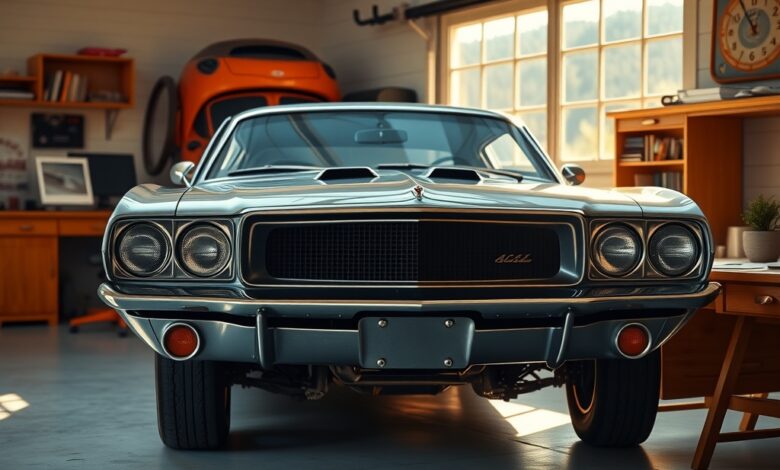
Why Vintage Cars Are the Smart Investment in 2024
The thrill of hunting down a perfect example of automotive history is unmatched, and in 2024 that excitement is paired with serious financial upside. For enthusiasts and investors alike, vintage cars have moved from hobbyist collectibles to assets that can appreciate faster than many traditional stocks. Whether you’re chasing the sleek lines of a 1960s muscle car or the understated elegance of a European grand tourer, the right purchase can deliver both driving pleasure and a solid return on investment.
But navigating the vintage market isn’t just about gut feeling; it requires a strategic approach to budgeting, authenticity, and long‑term care. This guide walks you through the most promising models, the key criteria to evaluate, and practical steps to secure a sound purchase that will age gracefully in both value and performance.
Top Vintage Car Models Worth Investing in 2024
While personal taste will always shape the final decision, certain models have consistently outperformed peers in recent auction results and collector surveys. Below are five standout candidates that combine cultural cachet, mechanical reliability, and strong appreciation trends.
1. 1965 Ford Mustang Fastback
The Mustang Fastback defined the pony car era, and its iconic profile remains a staple at car shows worldwide. Early‑generation models in good condition have seen double‑digit annual returns, especially those featuring the high‑output 289‑ci V8.
- Starting price (2023 auction average): $55,000–$85,000
- Key traits: Classic styling, plentiful parts, strong enthusiast community
- Investment tip: Prioritize low‑mileage, factory‑original interiors and a documented rust‑free frame.
2. 1970 Chevrolet Camaro Z28
The Z28 variant offers a potent mix of performance and rarity. Its 350‑ci V8, coupled with the optional 4‑speed manual, makes it a driver’s dream that also holds strong resale potential.
- Starting price (2023 auction average): $70,000–$110,000
- Key traits: Aggressive stance, high‑performance heritage, relatively low production numbers
- Investment tip: Look for cars with the “RS” (Rally Sport) package and original performance options intact.
3. 1972 Porsche 911 Carrera (G Series)
Early‑generation 911s are the holy grail of European sports cars, and the 1972 Carrera is a benchmark for both driving purity and collectibility. Its air‑cooled flat‑six delivers a distinct sound that resonates with purists.
- Starting price (2023 auction average): $120,000–$170,000
- Key traits: Timeless design, robust engineering, strong global demand
- Investment tip: Verify chassis numbers and ensure the car has a documented service history from an authorized Porsche dealer.
4. 1987 BMW M3 (E30)
The first‑generation M3 introduced a new era of high‑performance luxury sedans. Its lightweight chassis and 2.3‑L inline‑four make it a favorite among track enthusiasts and collectors alike.
- Starting price (2023 auction average): $80,000–$130,000
- Key traits: Motorsport pedigree, rare factory options, strong community support
- Investment tip: Original S14 engine and factory‑installed competition package dramatically increase value.
5. 1990 Acura NSX (First Generation)
The NSX blended exotic performance with Japanese reliability, creating a unique proposition for investors seeking a modern classic. Its aluminum monocoque and mid‑engine layout were ahead of their time.
- Starting price (2023 auction average): $95,000–$140,000
- Key traits: Low maintenance costs, limited production run, iconic design
- Investment tip: Favor low‑mileage, non‑modified examples with factory‑installed Honda VTEC engine.
Comparison of Top Vintage Car Investment Candidates
| Model | Typical Auction Price (USD) | Annual Appreciation* (Avg.) | Key Feature | Pros | Best For |
|---|---|---|---|---|---|
| 1965 Ford Mustang Fastback | $55,000–$85,000 | 7–10% | Iconic pony car design | Abundant parts, strong community | Entry‑level collectors |
| 1970 Chevrolet Camaro Z28 | $70,000–$110,000 | 8–12% | High‑output 350‑ci V8 | Performance pedigree, rare RS package | Performance enthusiasts |
| 1972 Porsche 911 Carrera | $120,000–$170,000 | 9–13% | Air‑cooled flat‑six | Timeless styling, global demand | Luxury sports car collectors |
| 1987 BMW M3 (E30) | $80,000–$130,000 | 10–14% | Motorsport heritage | Lightweight, rare factory options | Track‑oriented investors |
| 1990 Acura NSX | $95,000–$140,000 | 9–12% | Mid‑engine aluminum monocoque | Low maintenance, exotic appeal | Modern classic seekers |
*Based on auction data from 2018‑2023 across major houses such as RM, Gooding & Co., and Barrett-Jackson.
Key Factors to Evaluate Before Buying Vintage Cars
Investing in a classic automobile goes beyond the headline price tag. A disciplined evaluation framework helps you avoid costly pitfalls and ensures the vehicle aligns with both your passion and financial goals.
Authenticity and Documentation
Originality is the cornerstone of value. Verify the vehicle’s VIN, chassis number, and any factory build sheets. A well‑maintained logbook or period‑specific service records can add thousands of dollars to the final resale price.
Mechanical Condition and Restoration Costs
Even a pristine-looking car may hide expensive mechanical issues. Conduct a thorough pre‑purchase inspection focusing on:
- Engine compression and oil leaks
- Transmission health (especially for manual gearboxes)
- Suspension bushings and rust‑prone areas
- Electrical system integrity—vintage cars often have aging wiring harnesses.
If you’re not a mechanic, hire a specialist who understands the specific model’s quirks. Estimate restoration expenses early; a common rule of thumb is to allocate 20‑30% of the purchase price for a high‑quality restoration.
Provenance and Ownership History
A documented lineage—such as celebrity ownership, racing pedigree, or a factory‑issued “first‑edition” badge—can significantly boost desirability. When possible, obtain a Bill of Sale, title history, and any relevant historical articles.
Market Trends and Future Outlook
Classic car values are influenced by broader economic conditions, collector sentiment, and generational shifts. Models that are currently “in the news” (e.g., a new film featuring a specific car) often experience a temporary price spike. However, sustainable growth usually stems from scarcity, timeless design, and a robust enthusiast network.
Financing Your Vintage Car Purchase
Unlike new vehicles, vintage cars typically require alternative financing solutions. Traditional auto loans may be unavailable, prompting buyers to explore specialty lenders, private financing, or dealer-arranged terms.
Specialty Classic Car Loans
Several institutions now offer loans secured by the vehicle itself, often with lower loan‑to‑value (LTV) ratios—usually 70% to 80% of the appraised value. Interest rates can range from 4% to 9% depending on creditworthiness and the car’s condition.
Leasing vs. Purchasing
Leasing a vintage car is uncommon but not unheard of, especially through curated programs that allow drivers to experience a rotating collection of classics. The key differences are:
- Leasing: Lower monthly payments, but you never own the asset; mileage and wear restrictions apply.
- Purchasing: Higher upfront cost or loan payments, but you retain the appreciation potential.
For most investors, outright ownership (or a long‑term loan) remains the preferred route.
Legal Considerations and Ownership Responsibilities
Owning a piece of automotive history brings unique legal obligations. From registration to emission compliance, staying informed protects both your investment and your ability to enjoy the car on public roads.
Registration and Title Transfer
Every state requires a clear title before registration. Classic car titles may be “historical” or “collector” categories, which can affect insurance premiums and tax rates. Ensure the seller provides a clean title; otherwise, a lien search may be necessary.
Emissions and Safety Regulations
Many jurisdictions exempt low‑volume vintage cars from modern emissions testing, but rules vary. Research local statutes—some states require smog checks for cars older than a certain year, while others grant a blanket exemption for vehicles over 30 years old.
Insurance Strategies
Classic car insurance differs from standard auto policies. Look for “agreed‑value” coverage, which guarantees a predetermined payout regardless of market fluctuations. Additional options like mileage limits, storage discounts, and driver‑experience tiers can lower premiums.
Maintaining and Enhancing the Value of Your Vintage Car
Long‑term value preservation hinges on disciplined care and thoughtful upgrades. Below are best‑practice guidelines to keep your investment in peak condition.
Routine Maintenance Schedule
Even if the car is driven sparingly, adhere to a preventive maintenance calendar:
- Change oil and filter every 3,000–5,000 miles or annually, whichever comes first.
- Inspect brakes, tires, and suspension components bi‑annually.
- Run the engine every 2–3 weeks to prevent oil settling and seals drying out.
- Use manufacturer‑specified fluids; modern synthetics can improve longevity without compromising originality.
Thoughtful Upgrades vs. Originality
While modern safety upgrades (e.g., upgraded brakes or discreet airbags) can make daily driving safer, they may reduce collector value if not performed reversibly. If you choose to upgrade, retain all original components for future restoration or resale.
Storage Solutions
Ideal storage includes a climate‑controlled garage with low humidity, a stable temperature (around