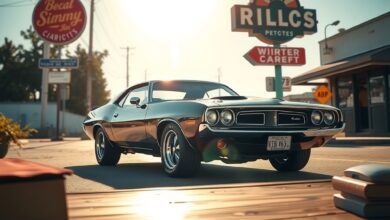


Why Vintage Cars Are the Smartest Investment Today
There’s a unique thrill that comes from spotting a perfectly preserved vintage car on a quiet backroad or at a classic‑car auction. While the auto industry races toward electric powertrains, collectors are turning their attention to the timeless appeal of models that defined eras of design and engineering. The combination of limited supply, growing enthusiast demand, and a proven track record of appreciation makes vintage cars a compelling addition to any investment portfolio. In the next few years, the market is poised for a surge, and savvy buyers who act now can secure iconic pieces before the 2025 deadline.
Key Factors to Evaluate Before Buying Vintage Cars
Investing in classic automobiles isn’t just about nostalgia; it requires disciplined research and a clear set of criteria. Below are the essential checkpoints every buyer should run through.
Historical Significance and Rarity
- Identify models that marked a technological breakthrough or cultural milestone.
- Check production numbers – the fewer built, the higher the scarcity premium.
- Look for limited‑edition trims or factory options that were rarely ordered.
Condition and Authenticity
- Original paint, chassis, and engine components dramatically increase value.
- Documented restoration work (photos, receipts, VIN verification) builds buyer confidence.
- Beware of “recreation” builds that use modern parts without proper documentation.
Provenance and Documentation
- Ownership history, especially if the car belonged to a notable figure, adds provenance.
- Factory build sheets, original window stickers, and service records are essential.
- Clear title status (no salvage or rebuilt titles) is a must for resale.
Market Trends and Future Appreciation
- Study auction results from the past five years for price trajectories.
- Monitor emerging collector clubs and online forums for buzz around specific models.
- Consider macro‑economic factors such as disposable income trends among affluent buyers.
Top Vintage Cars to Invest in Before 2025
Below is a curated list of models that combine historical relevance, limited production, and strong recent auction performance. Each entry includes practical buying tips and potential upside.
1965 Ford Mustang Fastback
The Fastback’s iconic silhouette and powerful V8 made it a cultural icon. Early‑era Mustangs with original 289‑ci engines and period‑correct interiors have surged over 150% in the last three years.
- What to look for: Original “pony” badge, factory‑installed “Hi‑Po” (high‑performance) engine, and matching numbers VIN.
- Typical budget: $45,000 – $85,000 depending on condition and rarity of options.
- Investment outlook: Strong demand from both American muscle enthusiasts and international collectors.
1970 Porsche 911 Carrera RS
Renowned for its lightweight construction and distinctive “ducktail” spoiler, the 911 Carrera RS is often called the “Holy Grail” of the 911 lineage. With only 1,580 units built, it remains one of the rarest early 911s.
- What to look for: Original Type 197 engine, factory‑installed “RS” badge, and period‑correct interior trim.
- Typical budget: $150,000 – $250,000.
- Investment outlook: International demand continues to push prices upward, especially in the European market.
1989 Toyota Supra Mk4 (A80)
Although newer than many classic cars, the Mk4 Supra’s legendary 2JZ‑GTE turbo engine and pop‑culture status have catapulted it into the vintage arena. Low‑mileage, unmodified examples are now fetching six‑figure sums.
- What to look for: Factory‑installed twin‑turbo setup, original ECU, and a clean interior.
- Typical budget: $80,000 – $130,000.
- Investment outlook: Strong interest from both drift enthusiasts and collectors seeking a modern classic.
1972 Jaguar E-Type Series 1
The E‑Type’s sleek lines and performance earned it the moniker “the most beautiful car ever made.” With only 12,000 Series 1 units produced, well‑preserved examples command premium prices.
- What to look for: Original 5.3‑L V12, factory‑installed “E‑Type” badging, and matching numbers chassis.
- Typical budget: $120,000 – $200,000.
- Investment outlook: Consistent growth, especially for cars with documented race history.
1969 Chevrolet Camaro Z/28
The Z/28 was Chevrolet’s answer to the Trans‑Am racing series, featuring a high‑revving 302‑ci V8. Low‑production numbers and a strong racing pedigree keep demand high.
- What to look for: Original 302 engine, Z/28 badging, and factory‑installed “Camaro” dash.
- Typical budget: $70,000 – $110,000.
- Investment outlook: Growing interest from collectors focusing on American muscle heritage.
How to Finance and Insure Your Vintage Cars
Unlike modern vehicles, classic automobiles often require specialized financing and insurance solutions. Understanding the options helps you protect your investment while preserving cash flow.
Comparison of Financing Options for Vintage Cars
| Option | Typical Interest Rate | Down Payment | Pros | Cons |
|---|---|---|---|---|
| Classic Car Loan (Specialist Lender) | 4.5% – 7.5% APR | 20% – 30% | Tailored terms, flexible repayment, preserves cash for restoration | Higher rates than new‑car loans, stricter appraisal process |
| Personal Loan (Bank or Credit Union) | 6% – 12% APR | 0% – 10% | Fast approval, no collateral needed | Shorter terms, higher monthly payments |
| Cash Purchase | 0% | 100% | No interest, immediate ownership, stronger negotiating position | Depletes liquidity, may limit ability to purchase additional assets |
Specialized Classic Car Insurance
- Agreed‑value policies lock in a set payout, preventing disputes over market value.
- Coverage often includes “road‑ready” clauses for occasional driving at events.
- Look for insurers with a proven track record in handling restoration‑related claims.
Legal and Auction Tips for Securing Vintage Cars
Acquiring a classic vehicle through auction or private sale involves legal nuances that can affect ownership and resale value.
Understanding Title and Registration Requirements
- Confirm the title is clear of liens and accurately reflects the VIN.
- Some states require a “historic vehicle” registration, which may limit annual mileage but lower registration fees.
- Maintain a detailed Bill of Sale that includes condition notes and any known defects.
Best Practices at Classic Car Auctions
- Attend the preview days to inspect the car in person; bring a trusted mechanic or a classic‑car expert.
- Set a firm maximum bid based on your pre‑auction research and stick to it.
- Factor in buyer’s premium, transportation costs, and any post‑sale restoration budget.
Future Trends Shaping Vintage Car Values After 2025
Even as the market matures, several emerging trends will continue to influence the desirability and price trajectory of vintage cars.
Electrification of Classic Models
Converting classic cars to electric powertrains is gaining traction among eco‑conscious collectors. While a conversion can increase appeal, it may also affect authenticity and, consequently, market value. Buyers should weigh the trade‑off between modern performance and preserving original engineering.
Digital Provenance and Blockchain
Blockchain technology is being used to create immutable ownership histories. A verified digital ledger can streamline cross‑border transactions and reduce fraud, potentially adding a premium to cars with a clear, blockchain‑backed provenance.
Growing Global Collector Base
Wealth growth in emerging markets, especially in Asia and the Middle East, is expanding the pool of high‑net‑worth buyers. This increased demand is likely to push prices for iconic models higher, particularly those with strong brand heritage.
Impact of Climate‑Related Regulations
Stricter emissions standards in Europe and some U.S. states may limit the road use of older, high‑emission vehicles. However, many jurisdictions provide exemptions for historic vehicles, preserving their usability for shows and events.
Collectible Car Subscription Services
New business models allow enthusiasts to “subscribe” to a rotating fleet of vintage cars. This trend could increase exposure to rare models, indirectly raising awareness and demand for ownership.
Conclusion: Positioning Your Portfolio for Success
Investing in vintage cars before 2025 offers a blend of passion and profit. By focusing on rarity, condition, documented provenance, and emerging market trends, you can build a collection that not only brings joy behind the wheel but also appreciates over time. Whether you finance through a specialist lender, protect your asset with agreed‑value insurance, or navigate auction nuances with confidence, the right strategy will set you up for long‑term success.
Frequently Asked Questions
What is the best way to determine a fair price for a vintage car?
Start with recent auction results for the same make, model, and condition. Cross‑reference with price guides such as Hagerty or Classic Cars. Always factor in restoration costs, provenance, and market demand.
Should I buy a vintage car with a modern engine swap?
Engine swaps can improve reliability, but they may diminish authenticity and affect resale value. If the goal is investment, preserve the original powerplant whenever possible.
How much should I budget for insurance on a classic car?
Classic car insurance premiums vary widely, typically ranging from 1% to 3% of the agreed‑value policy amount per year. Get quotes from multiple specialist insurers and consider coverage limits for restoration work.