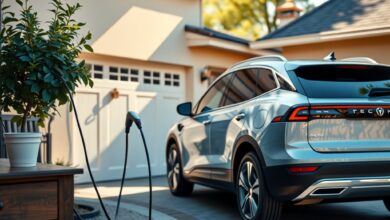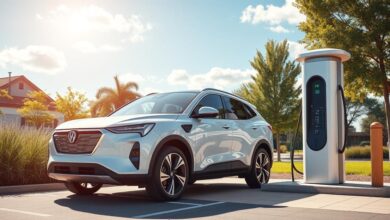

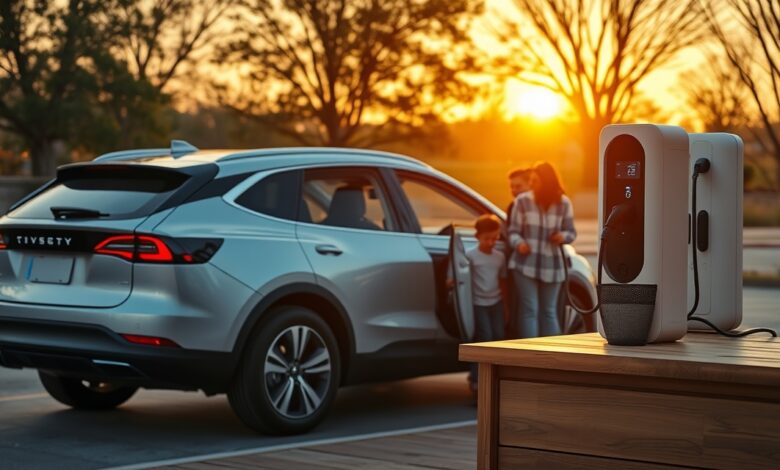
Families are finally getting the freedom to go green without sacrificing space, safety, or style. The surge of electric SUV options on dealer lots means you can power‑up your weekend adventures while keeping the kids comfortable and the carbon footprint low. Choosing the right electric SUV, however, isn’t as simple as picking the flashiest badge; it’s a balance of range, cargo capacity, tech features, and budget that fits your household’s unique needs.
Understanding Your Family’s Priorities
Before you even step onto a showroom floor, take a moment to outline the core criteria that will drive your decision. A clear priority list helps you filter out models that don’t meet essential requirements, saving time and avoiding buyer’s remorse.
Space and Seating Flexibility
- How many passengers do you regularly carry? Consider third‑row seating versus a spacious second row.
- Do you need ample cargo room for strollers, sports gear, or grocery hauls?
- Look for fold‑flat seats and configurable storage solutions that adapt to changing family needs.
Range and Daily Driving Patterns
- Calculate your typical daily mileage, including school runs, work commutes, and weekend trips.
- Choose an electric SUV with a real‑world range that comfortably exceeds your average distance plus a safety buffer (usually 20‑30 % extra).
- Consider fast‑charging capability if you often travel longer distances.
Budget and Ownership Costs
- Factor in the sticker price, federal/state EV incentives, and potential dealer discounts.
- Estimate electricity costs versus gasoline, and include maintenance savings from fewer moving parts.
- Assess financing options—leasing can lower monthly payments, while buying may be cheaper long‑term.
Key Features to Look for in an Electric SUV
Modern electric SUVs pack a suite of technologies that enhance safety, convenience, and entertainment for the whole family. Prioritize features that align with your lifestyle and add tangible value.
Advanced Driver‑Assistance Systems (ADAS)
- Automatic emergency braking and pedestrian detection are crucial for protecting younger passengers.
- Adaptive cruise control with stop‑and‑go helps reduce driver fatigue on long highway trips.
- Lane‑keeping assist and blind‑spot monitoring add layers of confidence in busy traffic.
Infotainment and Connectivity
- Large, intuitive touchscreens with Apple CarPlay and Android Auto keep kids entertained and drivers focused.
- Multiple USB‑C ports and wireless charging stations ensure devices stay powered on the go.
- Built‑in Wi‑Fi hotspots can turn the vehicle into a mobile office or classroom.
Charging Flexibility
- Look for vehicles that support both Level 2 home chargers (7–11 kW) and DC fast chargers (150 kW+).
- Onboard charger size influences how quickly you can replenish the battery at home.
- Some manufacturers offer exclusive fast‑charging networks or complimentary charging credits.
Comparing the Top Electric SUVs for Families
Below is a side‑by‑side comparison of the most popular electric SUV models that blend range, space, and family‑friendly tech. Use this table as a quick reference to narrow down your shortlist.
Comparison of Leading Family‑Focused Electric SUVs
| Model | Starting Price | EPA Range | Seating Capacity | Key Family Feature | Best For |
|---|---|---|---|---|---|
| Tesla Model Y | $53,490 | 330 miles | 7 (optional third row) | Extensive Supercharger network | Tech‑savvy families |
| Ford Mustang Mach‑E (Extended Range) | $55,200 | 305 miles | 5 | Large panoramic roof + SYNC 4A | Active families who love style |
| Volkswagen ID.4 Pro | $41,990 | 260 miles | 5 | Spacious cargo floor, rear‑seat reminder | Budget‑conscious households |
| Hyundai Ioniq 5 (Long‑Range) | $48,750 | 303 miles | 5 | Ultra‑fast 800 V charging, kid‑zone interior lighting | Families needing quick top‑ups |
| Kia EV6 (GT-Line) | $51,300 | 310 miles | 5 | Adjustable rear seats, advanced safety suite | Safety‑first families |
| Volvo XC40 Recharge | $55,300 | 223 miles | 5 | Scandinavian safety tech, premium interior | Luxury‑oriented families |
Calculating the True Cost of Ownership
Many buyers focus on the purchase price, but the total cost of ownership (TCO) provides a clearer picture of long‑term affordability. Below is a step‑by‑step guide to estimating TCO for an electric SUV.
Step 1: Determine the Effective Purchase Price
- Base MSRP minus federal tax credit (up to $7,500) and any state incentives.
- Add optional packages that matter to families (e.g., third‑row seat, tow package).
- Subtract any dealer cash rebates or loyalty discounts.
Step 2: Estimate Energy Costs
Assume an average electricity price of $0.13/kWh. Divide the battery’s usable capacity (kWh) by the EPA range to get kWh per mile, then multiply by your annual mileage.
- Example: 75 kWh battery, 300 mile EPA range → 0.25 kWh/mi.
- Annual mileage 15,000 mi → 3,750 kWh/year → $487.50 electricity cost.
Step 3: Factor in Maintenance Savings
- No oil changes, fewer brake replacements (regenerative braking), and fewer moving parts translate to roughly $300–$500 annual savings compared to gasoline SUVs.
Step 4: Include Insurance and Taxes
- Electric SUVs can carry a modest insurance premium increase (5–10 % higher) due to higher repair costs.
- Factor in registration fees, which may be reduced in EV‑friendly states.
Sample TCO Snapshot (5‑Year Horizon)
| Item | Annual Cost | 5‑Year Total |
|---|---|---|
| Effective Purchase Price (after incentives) | — | $45,000 |
| Electricity (15,000 mi/year) | $490 | $2,450 |
| Maintenance Savings | ‑$400 | ‑$2,000 |
| Insurance | $1,250 | $6,250 |
| Taxes & Registration | $300 | $1,500 |
| Total 5‑Year Cost | — | $53,200 |
When you compare this figure to a comparable gasoline SUV’s 5‑year cost (often $65,000–$75,000), the electric SUV’s savings become evident.
Financing vs. Leasing an Electric SUV
Deciding whether to finance or lease hinges on how long you plan to keep the vehicle, your mileage habits, and the pace of EV technology evolution. Here’s a quick decision matrix to help families choose the best route.
Leasing Advantages for Families
- Lower monthly payments free up cash for other family expenses (college savings, vacations).
- Access to the newest tech every 2–3 years—ideal if you want the latest safety upgrades.
- Warranty coverage typically lasts the entire lease term, reducing unexpected repair costs.
Financing Advantages for Families
- Ownership at the end of the term means you can keep the vehicle for many years, maximizing the low operating cost of an EV.
- No mileage restrictions—perfect for families with long school commutes or frequent road trips.
- Potential to sell or trade‑in the vehicle later, recouping equity.
When Leasing Makes Sense
- You drive less than 10,000–12,000 miles per year.
- You value having the latest infotainment and driver‑assist updates.
- You prefer predictable, lower short‑term cash outflow.
When Financing Makes Sense
- You anticipate high annual mileage or plan to keep the SUV for 7+ years.
- You want to capitalize on the long‑term savings of lower electricity and maintenance costs.
- You have a stable credit profile that qualifies for low‑interest rates.
Preparing Your Home for an Electric SUV
Owning an electric SUV is only as convenient as the charging solution you have at home. Installing a Level 2 charger can dramatically improve daily usability.
Assess Your Electrical Capacity
- Check your home’s main panel—most Level 2 chargers require a 240‑volt circuit with 30–40 amp capacity.
- Hire a licensed electrician to verify that your wiring can handle the additional load without tripping breakers.
Choose the Right Charger
- Portable Level 2 units (e.g., ChargePoint Home Flex) offer flexibility and can be moved if you relocate.
- Hardwired wall‑mounted chargers provide a cleaner look and can deliver up to 11 kW for faster home charging.
- Look for smart chargers that let you schedule charging during off‑peak hours to lower electricity bills.
Leverage Incentives for Home Charging
- Many utility companies offer rebates of $200–$500 for installing a Level 2 charger.
- Federal tax credits may also apply to home‑charging equipment under certain conditions.
Future‑Proofing Your Electric SUV Choice
EV technology evolves rapidly, and families want a vehicle that stays relevant for years to come. Consider these forward‑looking factors when making your final decision.
Battery Warranty and Degradation
- Most manufacturers provide an 8‑year/100,000‑mile battery warranty, guaranteeing a minimum of 70 % capacity retention.
- Check if the warranty covers replacement or prorated credit for lost capacity.
Software Updates and Over‑the‑Air (OTA) Capabilities
- Vehicles that receive OTA updates can add new driver‑assist features, improve range efficiency, and refresh infotainment without a dealership visit.
- Brands like Tesla, Hyundai, and Kia lead the OTA market, making them attractive for long‑term owners.
Charging Network Expansion
- Research the growth plans of major fast‑charging networks (e.g., Electrify America, ChargePoint, Tesla Supercharger) in your region.
- A robust network reduces range anxiety for family road trips and increases resale value.
Resale Value Trends
- Electric SUVs with higher range, strong brand reputation, and extensive charging access tend to retain value better.
- Look for models with a proven track record of high residual percentages in industry resale guides.
Potential for Vehicle‑to‑Grid (V2G) Integration
- Emer