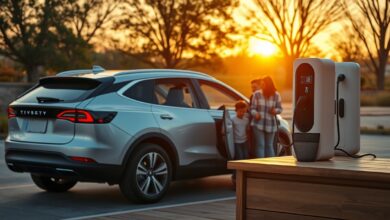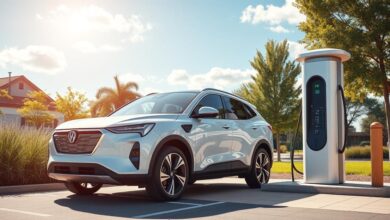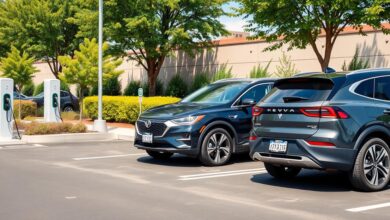

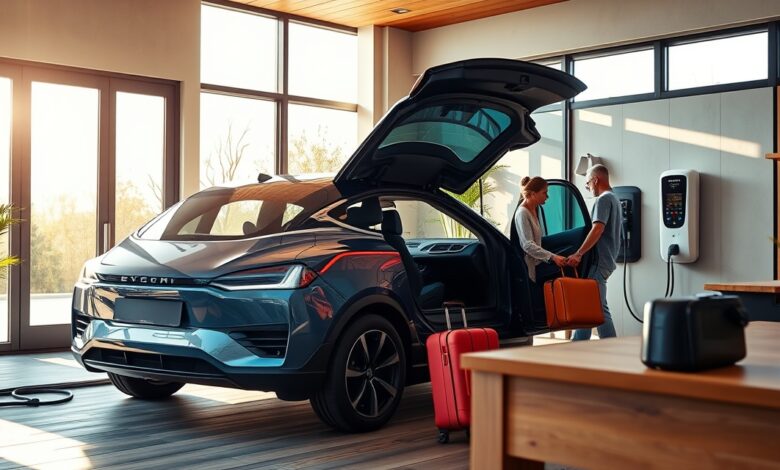
The automotive world is buzzing with a new kind of family‑friendly powerhouse: electric SUVs. As charging stations multiply and range anxiety fades, more parents are swapping traditional minivans for sleek, zero‑emission crossovers that deliver space, safety, and style. If you’ve been waiting for the perfect blend of practicality and green technology, the 2024 lineup of electric SUVs finally delivers the answer to every modern family’s wish list.
Why Electric SUVs Are the Ideal Family Vehicle
Electric SUVs combine the commanding presence of a traditional sport‑utility vehicle with the efficiency and low‑maintenance benefits of an EV. For families, this means fewer trips to the mechanic, lower fuel costs, and a quieter cabin—perfect for kids’ nap times on the road. Additionally, many electric SUVs come equipped with advanced driver‑assist systems that add an extra layer of safety on school runs and weekend getaways.
Key advantages for families include:
- Instant torque for easy merging onto highways and navigating city traffic.
- Spacious interiors with flexible seating configurations.
- Generous cargo capacity that rivals most minivans.
- Eligibility for federal and state incentives that can shave thousands off the sticker price.
Performance and Range: What Families Really Need
When selecting an electric SUV, range is often the top concern. However, families should look beyond the EPA‑rated miles and consider real‑world factors such as climate control usage, extra weight, and typical daily travel distances.
Real‑World Range Tips
- Pre‑condition the cabin while the vehicle is still plugged in to preserve battery charge.
- Use regenerative braking in stop‑and‑go traffic to extend range.
- Plan trips with charging stops using apps like PlugShare or ChargePoint.
- Choose models with larger battery packs if you frequently travel longer distances.
Performance matters too. Electric SUVs deliver smooth acceleration that makes merging onto busy freeways effortless—an everyday benefit for parents juggling school drop‑offs and pickups.
Interior Space, Comfort, and Family‑Friendly Features
Space is king for families, and the best electric SUVs of 2024 have risen to the challenge. Look for models that offer:
- Third‑row seating that folds flat for cargo when not in use.
- Adjustable rear‑seat legroom for growing kids.
- Integrated USB‑C ports and wireless charging for multiple devices.
- Advanced climate control zones to keep the back seat comfortable.
Many manufacturers now include built‑in child‑seat anchors (LATCH) and rear‑camera monitoring systems that alert drivers if a child is left in the back seat—a crucial safety feature for busy households.
Charging Infrastructure and Cost of Ownership
One of the biggest myths about electric SUVs is that charging is inconvenient. In 2024, the U.S. boasts over 150,000 public charging points, with fast‑charging networks expanding rapidly along major highways. Home charging remains the most convenient and cost‑effective solution for families.
Home‑Charging Essentials
- Install a Level 2 (240‑V) charger for a full charge in 6‑10 hours.
- Take advantage of time‑of‑use electricity rates to charge overnight at lower cost.
- Consider a solar panel system to offset charging electricity entirely.
When calculating total cost of ownership, factor in federal tax credits (up to $7,500), state rebates, and lower maintenance expenses. Over a typical five‑year ownership period, many families see savings of $5,000‑$10,000 compared with a gasoline‑powered SUV.
Financing, Leasing, and Incentives for Electric SUVs
Buying an electric SUV can be a significant upfront investment, but a variety of financing options make it accessible for families on a budget.
Leasing vs. Buying
- Leasing offers lower monthly payments and the ability to upgrade to newer technology every 2‑3 years, ideal for families who want the latest safety features.
- Buying provides long‑term equity, especially beneficial when you plan to keep the vehicle beyond the warranty period.
- Both options can be combined with manufacturer incentives, such as cash‑back offers or reduced interest rates for EV purchases.
Check with your dealer about special “green” financing programs that may include zero‑interest loans for qualified buyers. Remember to factor in the residual value of the vehicle; electric SUVs are holding their resale value better than ever thanks to growing demand and battery longevity.
Future Trends: What’s Next for Electric SUVs?
The electric SUV segment is evolving quickly. Anticipated developments that will affect family buyers include:
- Longer‑Range Batteries: New cell chemistry promises 400‑plus miles on a single charge, reducing the need for frequent stops.
- Integrated Solar Roofs: Some 2025 models will feature solar panels that add a few extra miles per day—great for city commuters.
- Advanced Driver Assistance: Level 3 autonomy is on the horizon, offering hands‑free driving in certain conditions, which could transform long road trips.
- Modular Interior Systems: Future designs will allow seats to be reconfigured or removed entirely, turning the SUV into a mobile living space.
Staying informed about these trends helps families plan purchases that remain relevant and valuable for years to come.
Comparison of Leading Electric SUVs for Families 2024
| Model | Starting Price | EPA Range | Cargo Space (ft³) | Key Family Feature | Best For |
|---|---|---|---|---|---|
| Tesla Model Y | $49,990 | 330 miles | 68 (behind 3rd row) | Supercharger network + 3‑row seating | Tech‑savvy families |
| Ford Mustang Mach‑E | $48,550 | 305 miles | 59 (behind 2nd row) | Spacious front seats, SYNC 4A infotainment | Active families |
| Hyundai Ioniq 5 | $46,000 | 303 miles | 71 (behind 2nd row) | Ultra‑fast 800V charging, adjustable rear seats | Urban commuters |
| Kia EV6 | $48,750 | 310 miles | 68 (behind 2nd row) | Premium interior, advanced safety suite | Design‑focused families |
| Volkswagen ID.4 | $38,995 | 260 miles | 64 (behind 2nd row) | Affordability + generous warranty | Budget‑conscious families |
Checklist: How to Choose the Right Electric SUV for Your Family
Before you sign on the dotted line, run through this practical checklist to ensure the model you select aligns with your lifestyle, budget, and long‑term goals.
- Range Needs: Calculate average daily miles and add a safety margin of 30‑40%.
- Seating Configuration: Determine if you need a third row or flexible cargo space.
- Charging Plan: Verify home‑charging capability and proximity to fast chargers on regular routes.
- Incentives: Research federal, state, and local rebates that apply to your zip code.
- Warranty & Service: Look for at least an 8‑year/100,000‑mile battery warranty.
- Resale Value: Choose models with strong residuals to protect your investment.
Real‑World Family Scenarios: Putting the Electric SUV to the Test
Below are three common family situations and how an electric SUV can excel in each.
Weekly School Run and After‑School Activities
With an average round‑trip of 30 miles, a Model Y or Ioniq 5 can handle the commute on a single charge, while the built‑in rear‑seat climate controls keep kids comfortable. Parents benefit from the quiet cabin, making it easier to converse with children during the drive.
Cross‑Country Road Trip
Planning a 2,000‑mile vacation? Choose a vehicle with a 300‑plus mile range and access to fast‑charging networks. The Kia EV6’s 800V system can add 200 miles in just 15 minutes, minimizing downtime. Use the vehicle’s navigation system to schedule optimal charging stops.
Weekend Camping Adventure
Families who love the outdoors appreciate the generous cargo space of the Volkswagen ID.4, which can accommodate a rooftop tent and camping gear. The EV’s regenerative braking helps conserve energy when navigating steep, winding trails.
Frequently Asked Questions
Is it better to lease or buy an electric SUV for a growing family?
Leasing offers lower monthly payments and the ability to upgrade to newer tech every few years, which is attractive if you anticipate changing needs. Buying, however, builds equity and may be more cost‑effective over a longer ownership horizon, especially when you factor in federal tax credits and lower operating costs.
How much does home charging cost compared to gasoline?
Charging a Level 2 home charger typically costs $0.13‑$0.20 per kWh. For an SUV with a 75 kWh battery, a full charge costs roughly $10‑$15, providing 300+ miles—significantly cheaper than the $30‑$40 you’d spend on gasoline for the same distance.
What mileage should I expect from a used electric SUV?
Most electric SUVs retain over 90% of their original range after 100,000 miles, thanks to robust battery management systems. When buying used, request a battery health report and look for models with an 8‑year/100,000‑mile warranty still in effect.
Are there any special tax incentives for electric SUVs?
Yes. In addition to the federal EV tax credit (up to $7,500), many states offer rebates ranging from $1,500 to $5,000, and some utilities provide discounted electricity rates for EV owners. Always check your state’s Department of Transportation website for the latest programs.
Can I install a fast charger at home?
Fast (DC) chargers require significant electrical upgrades and are typically installed at commercial locations. For home use, a Level 2 charger is the most practical and cost‑effective solution, delivering a full charge overnight.