

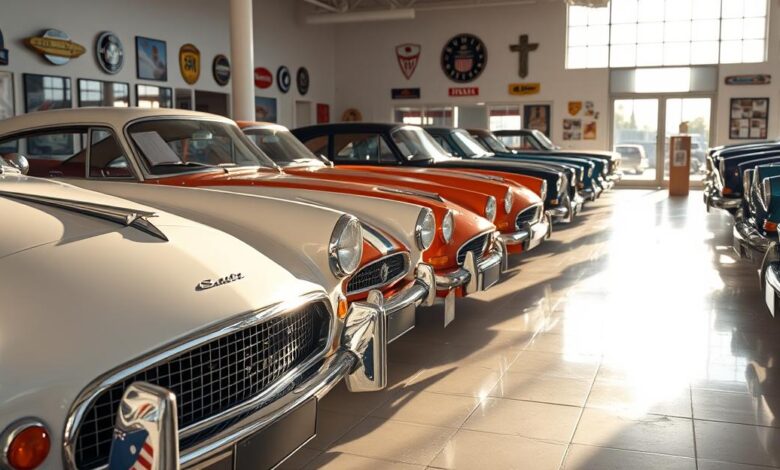
Why Vintage Cars Remain a Smart Investment in 2026
The roar of a classic engine and the timeless design of a well‑preserved vehicle can ignite a passion that modern EVs simply can’t match. Vintage cars offer more than nostalgia; they provide a tangible asset that can appreciate over time, especially when market trends favor limited‑edition models. As younger collectors enter the market, demand for authentic, low‑mileage examples is soaring, creating a fertile environment for both hobbyists and serious investors. Understanding the nuances of buying, maintaining, and reselling these treasures is essential for anyone looking to turn a love of automotive history into a profitable venture.
Key Factors to Evaluate Before Buying Vintage Cars
Before you place a bid or sign a purchase agreement, take a systematic approach to assess each potential acquisition. The following checklist helps you avoid costly surprises and ensures that your investment aligns with your goals.
Condition and Originality
- Exterior integrity: Look for rust, paint matching, and panel alignment.
- Mechanical health: Engine compression, transmission smoothness, and brake performance.
- Original parts: Vehicles with factory‑original components retain higher resale value.
Documentation and Provenance
- Factory build sheets, original sales receipts, and service records.
- History of ownership, especially if the car has a notable previous owner.
- Verification of VIN authenticity and any restoration permits.
Market Trends and Rarity
- Production numbers: The fewer built, the higher the potential upside.
- Current auction results: Track recent sales of similar models.
- Future demand: Consider upcoming anniversaries or media exposure that could boost interest.
Top Vintage Models to Consider in 2026
While personal taste plays a big role, certain models consistently outperform others in terms of appreciation potential, driving enjoyment, and community support. Below is a curated list of five iconic vintage cars that are attracting attention this year.
1. 1965 Ford Mustang Fastback
The original pony car remains a cultural icon. Look for a well‑preserved Fastback with the “GT” package, as these tend to command premium prices at auction.
2. 1970 Chevrolet Chevelle SS 454
With its massive V8, the Chevelle SS is a muscle‑car enthusiast’s dream. Low‑mileage examples with original interiors are especially scarce.
3. 1969 Porsche 911 Carrera RS
This lightweight, track‑focused 911 is prized for its rarity (only 2,600 built) and timeless design. A clean chassis and original Porsche‑issued options are key value drivers.
4. 1972 Jaguar E-Type Series 3
Often called “the most beautiful car ever made,” the E‑Type’s sleek lines and refined V12 make it a collector’s favorite. Verify the authenticity of the “Series 3” badge and interior trim.
5. 1963 Aston Martin DB5
Immortalized by James Bond, the DB5 combines British elegance with a powerful straight‑six. Even a well‑documented restoration can fetch strong returns if provenance is clear.
Comparison of Top Vintage Cars for 2026
| Model | Typical Asking Price (USD) | Production Run | Key Feature | Pros | Best For |
|---|---|---|---|---|---|
| 1965 Ford Mustang Fastback | $55,000–$85,000 | 1,126,538 | Iconic pony‑car silhouette | Strong community, easy parts sourcing | New collectors, weekend drivers |
| 1970 Chevrolet Chevelle SS 454 | $70,000–$110,000 | 90,000 | 454 cu in V8 power | Raw performance, high resale | Muscle‑car purists |
| 1969 Porsche 911 Carrera RS | $180,000–$250,000 | 2,600 | Lightweight chassis, 2.7 L flat‑six | Rare, strong auction results | Serious collectors |
| 1972 Jaguar E‑Type Series 3 | $95,000–$130,000 | ~13,000 | V12 engine, elegant design | Timeless styling, British heritage | Luxury vintage enthusiasts |
| 1963 Aston Martin DB5 | $700,000–$1,200,000 | 1,095 | James Bond fame | High prestige, strong appreciation | High‑net‑worth investors |
Financing and Ownership Costs for Vintage Cars
Unlike new vehicles, financing a vintage car often requires a different approach. Lenders may view classic cars as higher‑risk collateral, which can affect interest rates and loan terms.
Loan vs. Lease vs. Cash
- Classic car loans: Typically 5–10 years with rates ranging from 5% to 12%, depending on credit and the car’s appraised value.
- Leasing: Rarely available for vintage models; only specialty finance companies offer short‑term leases for high‑value cars.
- Cash purchase: Eliminates financing fees and interest, but ties up capital that could be invested elsewhere.
Insurance Considerations
Agreed‑value policies are standard for classic vehicles. Premiums depend on storage conditions, annual mileage, and driver experience. Expect rates between 1.5% and 3% of the car’s agreed value per year.
Maintenance and Restoration Budgets
- Routine maintenance (oil, brakes, tires): $2,000–$4,000 annually.
- Major restoration projects: $15,000–$100,000+ depending on scope and originality.
- Storage (climate‑controlled garage): $150–$300 per month.
Factoring these expenses into your total cost of ownership is critical for accurate budgeting and long‑term profitability.
Where to Find Reliable Vintage Cars: Auctions, Dealers, and Private Sales
Locating a trustworthy source is as important as the car itself. Each channel offers distinct advantages and potential pitfalls.
Specialty Auctions
- Major houses such as Barrett‑Johnson, RM Sotheby’s, and Mecum host dedicated classic car auctions with pre‑auction inspections.
- Pros: Transparent bidding, provenance documentation, and often a post‑sale warranty.
- Cons: Auction fees (typically 10%–15% of the hammer price) and intense competition driving prices up.
Classic Car Dealerships
- Dealers like Classic Car Club of America (CCCA) members or regional specialists provide curated inventories.
- Pros: Hands‑on inspection, financing assistance, and after‑sale service.
- Cons: Higher markup compared to private sales.
Private Transactions
- Online platforms (e.g., Hemmings, ClassicCars.com) and local car clubs are common venues.
- Pros: Potential for lower purchase price and direct negotiation.
- Cons: Limited verification, higher risk of undisclosed damage.
Regardless of the source, always commission an independent mechanical inspection and verify the vehicle’s VIN history before finalizing any deal.
Maintenance, Preservation, and Legal Requirements for Vintage Cars
Keeping a classic in showroom condition requires disciplined care and awareness of local regulations.
Routine Maintenance Checklist
- Change engine oil and filter every 3,000–5,000 mi (or annually if driven infrequently).
- Inspect and replace rubber hoses, gaskets, and seals to prevent leaks.
- Maintain proper tire pressure and rotate tires to avoid flat‑spotting.
- Use fuel stabilizer for vehicles stored longer than 30 days.
Preservation Techniques
- Store the car in a climate‑controlled garage with humidity below 55%.
- Apply a high‑quality wax or ceramic coating to protect paint.
- Cover the vehicle with a breathable car cover to prevent dust accumulation.
- Run the engine and move the car at least once a month to keep mechanical components lubricated.
Legal and Registration Considerations
- Many states offer “historic vehicle” plates that may provide tax benefits and reduced inspection requirements.
- Check emissions regulations; some jurisdictions exempt vintage cars, while others require periodic testing.
- Maintain a copy of the title, bill of sale, and any restoration receipts for future resale or insurance claims.
Future Trends Shaping the Vintage Car Market in 2026
Even as the automotive world accelerates toward electrification, the market for classic automobiles shows resilience and adaptability.
Electrified Restorations
Increasing numbers of owners are converting classic chassis to electric drivetrains, blending vintage aesthetics with modern performance. While conversions can be costly ($30,000–$70,000), they attract a new demographic of eco‑conscious collectors.
Digital Provenance and Blockchain
Blockchain technology is emerging as a method to certify a vehicle’s history, ownership chain, and restoration records. This added transparency could reduce fraud and increase buyer confidence.
Global Collector Demographics
Collectors from Asia and the Middle East are entering the market, driving demand for rare European models and prompting higher auction prices for limited‑run vehicles.
Frequently Asked Questions
Is it better to lease or buy a vintage car?
Leasing is rarely an option for classic vehicles because lenders view them as high‑risk assets. Buying—whether with cash or a specialized loan—provides ownership control, which is essential for preservation and future resale.
How much should I budget for maintenance on a classic car?
Plan for at least $2,000–$4,000 per year in routine maintenance, plus a contingency fund for unexpected repairs or restoration projects. High‑value models may require significantly more.
Do I need special insurance for vintage cars?
Yes. Agreed‑value policies are standard, offering coverage based on the car’s appraised market value rather than replacement cost. These policies often include mileage limits and require the vehicle to be stored in a secure location.
Can I drive my vintage car regularly, or should it be a weekend-only vehicle?
Both approaches are viable. Regular use helps keep mechanical components lubricated, but many owners limit driving to preserve originality and reduce wear. If you choose limited use, ensure you run the engine periodically and store the car properly.
What documentation should I ask for before buying?
Request the original build sheet, service records, title, bill of sale, and any restoration receipts. A clean VIN history report from a reputable source (e.g., Carfax Classic) is also essential.