

Why Electric SUVs Are the Ideal Choice for Family Adventures
Family road trips are undergoing a quiet revolution, and the rise of electric SUVs is at the heart of it. With zero‑emission powertrains, generous cargo space, and the latest driver‑assist technology, electric SUVs deliver the blend of practicality and excitement that modern families crave. Whether you’re navigating city streets or heading off‑road for a weekend camping getaway, the instant torque of an electric motor makes merging onto highways effortless, while regenerative braking adds extra range on hilly terrain. Below, we break down everything you need to know to pick the best electric SUVs under $50k, ensuring your next family adventure is both eco‑friendly and budget‑smart.
Key Criteria to Evaluate When Shopping for an Electric SUV
Range and Real‑World Efficiency
Range anxiety is still a top concern for many buyers. Look for an EPA‑rated range that comfortably exceeds your typical weekly mileage plus a safety buffer—generally 250 miles or more is a sweet spot for families.
- Consider climate‑control impact: heating and AC can reduce range by up to 15%.
- Check the manufacturer’s warranty on the battery pack (usually 8 years or 100,000 miles).
- Review real‑world owner reports for city vs. highway performance.
Interior Space and Versatility
Family comfort hinges on seat layout, cargo volume, and easy access. Prioritize SUVs that offer a 60/40 split‑fold rear seat, low floor height, and generous legroom for child seats.
- Third‑row seating is a bonus, but ensure it’s usable for adults if needed.
- Flat cargo floors improve stroller and luggage loading.
- Integrated USB‑C ports and wireless charging keep devices powered on the go.
Charging Infrastructure and Home Setup
Even the best electric SUV will feel limited without a reliable charging plan. Verify that the model supports Level 2 AC charging (up to 11 kW) and, if possible, DC fast charging (150 kW or higher).
- Home charger installation typically costs $500–$1,200; many utilities offer rebates.
- Check the availability of fast‑charging stations along your common routes.
- Some manufacturers provide complimentary charging credits for the first year.
Safety and Driver‑Assist Features
Family safety is non‑negotiable. Look for models that include a comprehensive suite of advanced driver‑assistance systems (ADAS) such as adaptive cruise control, lane‑keeping assist, and automatic emergency braking.
- IIHS Top Safety Pick+ rating is a strong indicator of crashworthiness.
- Blind‑spot monitoring and rear‑cross‑traffic alert are especially useful for larger vehicles.
- Over‑the‑air (OTA) updates keep software‑based safety features current.
Top Electric SUVs Under $50,000 (2024 Model Year)
2024 Kia EV6 (Standard Range, 5‑Seat)
The Kia EV6 combines striking design with a practical 266‑mile EPA range, making it a compelling entry‑level electric SUV. Its 77.4 kWh battery delivers 0‑60 mph in 5.2 seconds, while the interior offers a 5‑seat layout with a flat floor and 24.4 cu ft of cargo space.
- Starting price: $44,995
- Key tech: 12.3‑inch dual‑screen cockpit, Kia’s “UVO” infotainment with Apple CarPlay/Android Auto
- Family perk: 8‑inch rear‑seat entertainment screen (optional)
2024 Hyundai Ioniq 5 (Standard Range, 5‑Seat)
The Ioniq 5’s 58 kWh battery provides a respectable 260‑mile range, and its 18‑inch wheels give a comfortable ride on both city streets and long highway stretches. The “Vehicle‑to‑Load” (V2L) feature lets you power camping equipment directly from the SUV’s battery.
- Starting price: $45,500
- Key tech: 12.3‑inch touchscreen, augmented reality head‑up display
- Family perk: Wide sliding rear doors for easier child‑seat access
2024 Ford Mustang Mach‑E (Base RWD, 5‑Seat)
While the Mustang badge evokes performance, the base Mach‑E offers a balanced 250‑mile range and a spacious cabin. The 68 kWh battery delivers 0‑60 mph in 5.8 seconds, and the SUV’s front‑wheel‑drive layout keeps costs below $50k.
- Starting price: $48,200
- Key tech: SYNC 4 with over‑the‑air updates, optional hands‑free driving on select highways
- Family perk: Integrated “Kids Zone” with rear‑seat USB‑C ports and seat‑back pockets
2024 Chevrolet Bolt EUV (Extended Range, 5‑Seat)
The Bolt EUV’s 65 kWh battery pushes its range to 247 miles, and its compact footprint makes city parking a breeze. Despite its smaller size, the SUV offers a roomy rear seat and a 16.9‑inch infotainment display.
- Starting price: $38,995
- Key tech: Super Cruise hands‑free driver assistance on compatible highways
- Family perk: Easy‑fold rear seats for a flat cargo floor
2024 Volkswagen ID.4 (Pro S, 5‑Seat)
The ID.4’s 77 kWh battery delivers a 260‑mile range, and its German engineering ensures a composed ride. The interior is built around sustainability, featuring recycled materials and a minimalist dashboard.
- Starting price: $44,995
- Key tech: 10‑inch digital cockpit, wireless Android Auto/Apple CarPlay
- Family perk: Optional third‑row seat for occasional extra passengers
Comparison of Best Electric SUVs Under $50k
| Model | Starting Price | EPA Range | Key Feature | Pros | Best For |
|---|---|---|---|---|---|
| Kia EV6 (Standard) | $44,995 | 266 miles | Fast‑charging up to 210 kW | Sporty design, spacious interior | Tech‑savvy families |
| Hyundai Ioniq 5 (Standard) | $45,500 | 260 miles | Vehicle‑to‑Load (V2L) power | Unique retro‑futuristic styling | Adventure‑oriented households |
| Ford Mustang Mach‑E (Base) | $48,200 | 250 miles | Optional hands‑free highway driving | Performance feel, strong brand | Families who love a sporty vibe |
| Chevrolet Bolt EUV | $38,995 | 247 miles | Super Cruise driver assistance | Affordability, compact size | Urban families on a budget |
| Volkswagen ID.4 (Pro S) | $44,995 | 260 miles | Sustainable interior materials | Comfortable ride, optional third row | Eco‑conscious families |
Financing and Incentives: Getting the Best Deal on an Electric SUV
Federal and State Tax Credits
In the United States, the federal EV tax credit can reduce your out‑of‑pocket cost by up to $7,500, depending on battery size and manufacturer eligibility. Many states add additional rebates ranging from $1,000 to $5,000.
- Check the IRS Form 8936 for eligibility requirements.
- California’s Clean Vehicle Rebate Project (CVRP) offers up to $7,000 for qualifying models.
- Some utilities provide time‑of‑use discounts for home charging.
Leasing vs. Buying for Families
Leasing an electric SUV can lower monthly payments and keep you within warranty coverage for the entire lease term. However, buying may be more economical if you plan to keep the vehicle for five years or more, especially when you factor in residual value and potential resale demand for EVs.
- Leasing tip: Look for zero‑down offers and include mileage allowances that match your family’s travel habits.
- Buying tip: Secure a low‑interest loan (3% or less) and negotiate the price before applying incentives.
- Consider a “lease‑to‑own” program that lets you transition to ownership after the lease ends.
Dealer Discounts and Loyalty Programs
Manufacturers often run “EV Days” with extra dealer cash or discounted financing rates. Existing owners of the brand can also tap into loyalty rebates that further shrink the purchase price.
- Ask the sales manager about “off‑season” promotions (typically late fall).
- Combine dealer cash with manufacturer incentives for maximum savings.
- Enroll in the brand’s subscription service (e.g., Hyundai’s “Blue Link”) for added connectivity benefits.
Practical Tips for Real‑World Family Use of an Electric SUV
Optimizing Range on Long Trips
Plan your route using the vehicle’s built‑in navigation that highlights fast‑charging stations. Pre‑condition the cabin while still plugged in to avoid draining the battery before you hit the road.
- Schedule charging stops every 150 miles to stay within a comfortable buffer.
- Use “Eco” driving mode on highways to extend range by up to 10%.
- Pack a portable Level 1 charger for emergencies; it can add 3–4 miles per hour of charging.
Child‑Seat Installation and Safety
Most electric SUVs feature LATCH anchors and reinforced seat‑back structures. Follow the manufacturer’s guidelines for rear‑facing seats, and verify that the seat’s base does not interfere with the floor‑mounted battery pack.
- Check for “child‑lock” features on rear doors to prevent accidental opening.
- Use the built‑in rear‑seat reminder alert if your SUV offers it.
- Consider a roof‑mounted cargo box for extra luggage, but account for added aerodynamic drag.
Maximizing Home Charging Efficiency
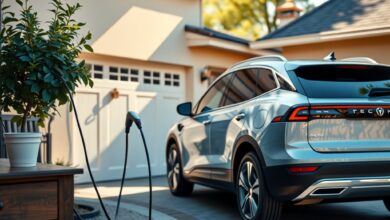
Install a Level 2 charger (240 V) in your garage to achieve 20–30 miles of range per hour of charge. Pair the charger with a smart energy manager to take advantage of off‑peak electricity rates.
- Set a daily charging schedule that aligns with your utility’s time‑of‑use pricing.
- Monitor battery health via the vehicle’s app; avoid consistently charging to 100% unless needed for a long trip.
- Upgrade to a 10 kW home charger if your electrical panel supports it for