

Market Overview for Vintage Car Investment
The world of vintage cars is experiencing a renaissance as collectors and investors chase both nostalgia and tangible appreciation. Over the past decade, auction houses have reported record-breaking sales, and online platforms now make it easier than ever to discover hidden gems. This surge isn’t just about the romance of classic design; it’s a calculated financial move. Understanding the macro trends—such as tightening supply, growing global wealth, and the rise of “experience‑driven” luxury—helps you position your portfolio for long‑term gains.
When you start scouting for a classic, remember that the market is driven by scarcity, provenance, and cultural relevance. A well‑preserved 1960s muscle car can outperform many traditional equities, but only if you know what to look for and how to protect your investment.
Key Criteria for Selecting Investment‑Grade Vintage Cars
Not every classic will deliver strong returns. Below are the essential factors that separate a high‑potential asset from a nostalgic hobby.
Historical Significance
A model that marked a technological breakthrough or defined an era tends to retain value. Think first‑generation V8s, pioneering hatchbacks, or cars that starred in iconic movies.
Production Numbers
Limited production runs create scarcity. Vehicles with fewer than 5,000 units built worldwide often command premium prices, especially when they retain original parts.
Condition & Originality
- Original Engine: Restoring a car with a non‑original powerplant can reduce value by 20‑30%.
- Documentation: Factory build sheets, service records, and provenance papers add credibility.
- Exterior/Interior: Factory‑original paint and upholstery are prized above aftermarket upgrades.
Market Liquidity
Some classics have a vibrant secondary market with frequent auction listings, while others only appear sporadically. Liquidity ensures you can exit the investment without a prolonged holding period.
Top Vintage Cars to Buy for Investment in 2024
Based on recent auction results, expert forecasts, and emerging collector interest, the following models stand out as the most promising investment opportunities this year.
1. 1969 Chevrolet Camaro Z/28
The Z/28 is the epitome of American muscle, featuring a high‑revving 302 ci V8 and a lightweight C‑body platform. Its rarity (only 2,362 built) and racing pedigree make it a hot commodity.
- Why It’s a Good Buy: Consistent price growth of 8‑10% YoY since 2018.
- Typical Asking Price: $75,000–$95,000 for well‑preserved examples.
- Investment Tip: Prioritize models with original BOSS 302 engines for the highest upside.
2. 1971 Porsche 911 Carrera RS
Often hailed as the “Holy Grail” of the 911 lineage, the Carrera RS combines lightweight construction with a 2.7‑liter flat‑six that delivers pure driving joy.
- Why It’s a Good Buy: Extremely limited production (only 1,580 units) and a soaring auction record of $1.6 million in 2023.
- Typical Asking Price: $500,000–$650,000 for original‑spec cars.
- Investment Tip: Verify the original “duck‑tail” rear spoiler; replicas are common and devalue the car.
3. 1985 Toyota Supra Mk II (JZA70)
The second‑generation Supra marks the beginning of Toyota’s performance legacy. Its 3.0‑liter inline‑six and sleek Japanese styling have attracted a new wave of collectors.
- Why It’s a Good Buy: Recent “JDM” craze has lifted values by 30% in the past two years.
- Typical Asking Price: $35,000–$45,000 for low‑mileage, original‑spec models.
- Investment Tip: Look for cars with factory‑installed “Turbo” badge; aftermarket turbos can cause authenticity concerns.
4. 1990 BMW M3 E30
The E30 M3 is the original “homologation” model that dominated touring car championships. Its naturally aspirated 2.3‑liter four‑cylinder delivers a rev‑hungry character beloved by enthusiasts.
- Why It’s a Good Buy: Prices have risen 12% annually, and the model is entering a “sweet spot” of collector demand.
- Typical Asking Price: $80,000–$100,000 for well‑maintained examples.
- Investment Tip: Original “M” badge and factory‑issued “Motorsport” package boost resale value.
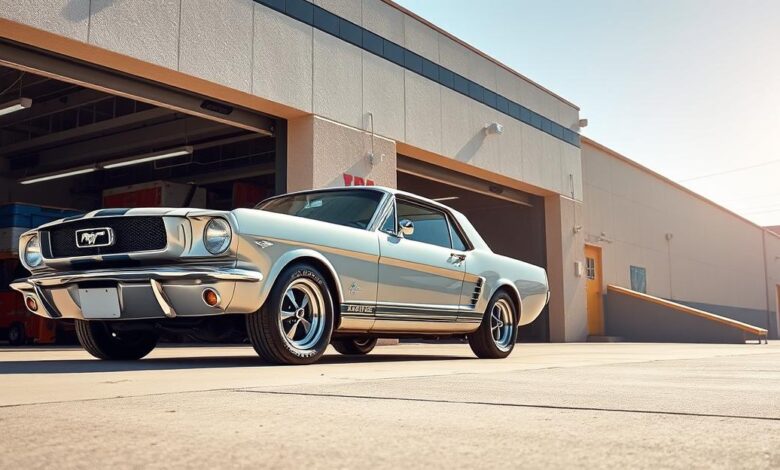
5. 1965 Ford Mustang Fastback (GT)
The Fastback is arguably the most recognizable American classic. Its 289 ci V8, iconic styling, and cultural significance keep demand strong.
- Why It’s a Good Buy: Consistent auction performance with a 7% annual price appreciation.
- Typical Asking Price: $60,000–$85,000 for original‑spec, low‑mileage cars.
- Investment Tip: Original “Cobra” badge or “Shelby” modifications can command premium prices.
Comparison of Investment‑Grade Vintage Cars for 2024
| Model | Typical Purchase Price | Production Run | Key Investment Driver | Annual Appreciation (Avg.) | Best For |
|---|---|---|---|---|---|
| 1969 Chevrolet Camaro Z/28 | $75,000–$95,000 | 2,362 | Muscle‑car scarcity & racing heritage | 8–10% | American‑muscle collectors |
| 1971 Porsche 911 Carrera RS | $500,000–$650,000 | 1,580 | Ultra‑limited production & Porsche pedigree | 12–15% | High‑net‑worth investors |
| 1985 Toyota Supra Mk II (JZA70) | $35,000–$45,000 | ~20,000 (JDM) | JDM resurgence & turbo‑culture | 20–30% (recent) | Younger collectors & tuners |
| 1990 BMW M3 E30 | $80,000–$100,000 | ~5,800 | Motorsport legacy & German engineering | 10–12% | European‑car enthusiasts |
| 1965 Ford Mustang Fastback GT | $60,000–$85,000 | ~250,000 (GT) | Iconic design & pop‑culture status | 7–9% | Broad‑market collectors |
Financing, Insurance, and Ownership Costs for Vintage Cars
Purchasing a classic isn’t just about the sticker price. Ongoing costs can significantly affect your overall return on investment.
Financing Options
- Specialty Classic Car Loans: Many lenders offer up to 80% financing with terms of 5–10 years, but interest rates are typically higher (6–9%).
- Home Equity Lines of Credit (HELOC): Using home equity can provide lower rates, but it ties your property to the vehicle’s risk.
- Cash Purchases: The safest way to avoid interest, but it reduces liquidity for other investments.
Insurance Considerations
Classic car insurance differs from standard auto policies. Look for “Agreed Value” coverage, which guarantees a payout based on a pre‑agreed amount rather than market depreciation.
- Typical annual premiums: 1.5%–3% of the car’s agreed value.
- Policy extras: roadside assistance, transport to shows, and coverage for original parts.
Maintenance & Storage
Preserving originality often requires specialized parts and skilled technicians. Budget at least 2%–4% of the car’s value per year for routine maintenance, and consider climate‑controlled storage to prevent rust and paint degradation.
Authenticity Verification and Legal Requirements
Before committing funds, you must ensure the vehicle’s provenance and that it complies with local regulations.
Documentation Checklist
- Original factory build sheet or VIN verification.
- Title history showing clear ownership (no salvage titles).
- Service records from reputable shops or the original owner.
- Certificates of authenticity for limited‑edition models.
Third‑Party Authentication Services
Companies such as Hagerty, JLR Classic, and the Classic Car Club of America (CCCA) provide expert inspections and authentication reports. Their endorsements can boost resale value by 5%–10%.
Legal Considerations
- Import/Export Regulations: Certain vintage models may be subject to “50‑year rule” exemptions or require compliance with emissions standards.
- State Registration: Some states offer “historic vehicle” plates that lower registration fees but may restrict mileage.
- Tax Implications: In the U.S., classic cars are considered collectibles for capital gains tax purposes, with a maximum rate of 28% on gains.
Future Trends and Exit Strategies for Vintage Car Investors
Even the most seasoned collectors need a clear plan for when to sell. Understanding market cycles and emerging trends helps you maximize profit.
Emerging Market Drivers
- Digital Provenance: Blockchain‑based certificates are gaining traction, offering immutable ownership records.
- Online Auction Platforms: Sites like Bring a Trailer and Catawiki broaden the buyer pool, often driving up final bids.
- Generational Shift: Millennials and Gen Z are entering the classic market with a preference for “drivable” cars that offer lifestyle experiences.
Timing Your Sale
Historical data suggests that classic car values peak during economic expansions when discretionary spending rises. However, niche models can also appreciate during downturns as investors seek tangible assets.
- Monitor auction house calendars for “seasonal peaks” (typically spring and fall).
- Watch for anniversary years of iconic models; manufacturers often release commemorative editions that boost interest.
- Consider selling before major regulatory changes (e.g., stricter emissions laws) that could limit usage.
Exit Options
- Private Sale: Offers flexibility but requires marketing effort.
- Auction Sale: Provides exposure to serious collectors; expect a 10%–15% buyer’s premium.
- Consignment with Dealerships: Ideal for high‑value cars; dealers handle paperwork and negotiations.
Preserving Value Post‑Sale
Even after you’ve sold, the way the new owner maintains the vehicle affects the broader market perception of the model. Encourage buyers to keep original documentation and to avoid irreversible modifications.
Key Takeaways for 2024 Vintage Car Investment
- Focus on rarity, provenance, and condition when selecting a model.
- Allocate 2%–4% of the purchase price annually for maintenance and storage.
- Leverage specialty financing and agreed‑value insurance to protect your capital.
- Stay informed about emerging digital authentication and market‑timing signals