

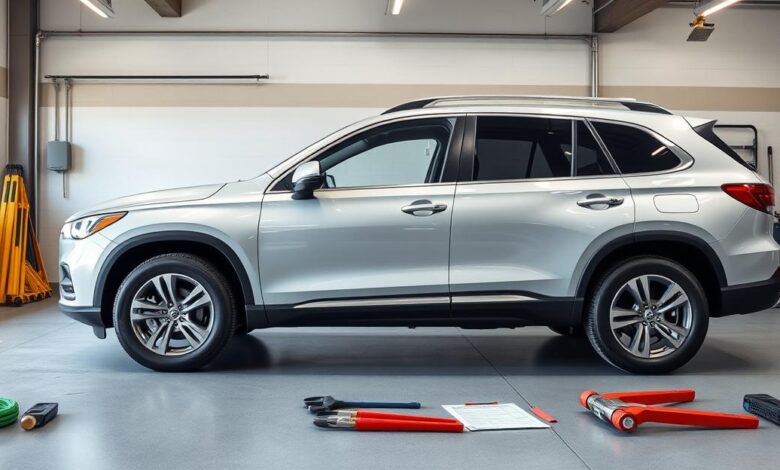
Why Maintaining Your Family SUV Matters
When you’re shuttling kids to school, loading gear for weekend adventures, or tackling a grocery run, your family SUV is more than just a vehicle—it’s the backbone of your household’s mobility. A well‑kept SUV not only delivers safety and reliability but also protects your investment, keeping resale value high and unexpected breakdowns low. By staying on top of simple maintenance tasks, you can extend the life of your family SUV for years to come, ensuring every road trip is smooth and stress‑free.
Essential Routine Maintenance Checklist for Every Family SUV
Regular upkeep is the cornerstone of longevity. Below is a month‑by‑month guide that fits the busy schedule of a typical family.
Monthly Quick‑Check Routine
- Inspect tire pressure and tread depth; under‑inflated tires increase wear and fuel consumption.
- Check all fluid levels—engine oil, coolant, brake fluid, and windshield washer.
- Test all exterior lights (headlights, brake lights, turn signals) for proper operation.
- Listen for unusual noises while idling or during a short drive.
Quarterly Maintenance Tasks (Every 3,000–5,000 miles)
- Change engine oil and replace the oil filter with the manufacturer‑recommended grade.
- Rotate tires to promote even wear and extend tread life.
- Inspect brake pads and rotors for thickness and wear patterns.
- Examine the battery terminals for corrosion and clean if needed.
- Refresh cabin air filter to maintain interior air quality, especially important for families with children.
Bi‑Annual Service (Every 6,000–10,000 miles)
- Replace the air intake filter to ensure optimal engine performance.
- Flush and replace coolant to prevent overheating during hot summer trips.
- Check and adjust wheel alignment; misalignment leads to uneven tire wear and handling issues.
- Inspect suspension components—shocks, struts, and bushings—for leaks or damage.
Protecting the Powertrain and Engine Health
The engine and transmission are the heart of any family SUV. Neglecting them can lead to costly repairs that disrupt your daily routine.
Oil Quality and Change Intervals
Using the correct oil viscosity is critical. Synthetic blends often provide better protection for high‑mileage SUVs, especially in extreme temperatures. Follow the owner’s manual, but consider a slightly more frequent change if you frequently tow a trailer or drive in dusty conditions.
Transmission Care
- Check transmission fluid level and color; it should be a clear reddish hue.
- Replace the fluid according to the manufacturer’s schedule—typically every 60,000–100,000 miles.
- Avoid aggressive shifting; smooth acceleration reduces stress on the gearbox.
Fuel System Maintenance
Modern family SUVs often feature direct injection or turbocharging. Use fuel system cleaners every 15,000 miles to prevent carbon buildup that can affect performance and fuel economy.
Suspension, Brakes, and Ride Comfort
Comfortable handling is essential when you’re carrying passengers and cargo. A well‑maintained suspension and brake system also ensures safety on rainy or icy roads.
Brake System Longevity
- Replace brake pads before they reach the minimum thickness (usually 3 mm).
- Inspect brake rotors for warping; replace or resurface if runout exceeds 0.001 in.
- Bleed the brake lines every two years to remove moisture and maintain pedal firmness.
Suspension Health
Worn shocks or struts can lead to a bouncy ride, reduced tire life, and poor handling. Look for signs such as excessive body roll, uneven tire wear, or clunking noises over bumps.
- Replace struts every 80,000–100,000 miles for most midsize SUVs.
- Check control arm bushings for cracks or looseness.
- Consider a professional alignment after any major suspension work.
Interior Care and Longevity
The interior of a family SUV endures spills, pet hair, and constant foot traffic. Proper care preserves resale value and keeps the cabin comfortable for all occupants.
Upholstery Protection
- Vacuum seats and floor mats weekly to prevent dirt from grinding into fabric.
- Apply a fabric protector spray to repel stains; for leather, use a conditioning product every 6 months.
- Use seat covers for younger children or pets to reduce wear.
Dashboard and Electronics
Sun exposure can cause fading and cracking. Use a UV‑blocking windshield sunshade and keep the dashboard clean with a microfiber cloth and mild interior cleaner.
- Check the operation of infotainment screens, rear‑view cameras, and driver‑assist sensors regularly.
- Update software firmware when manufacturers release patches; many updates improve reliability of safety features.
Budgeting for Maintenance and When to Seek Professional Help
Even the most diligent DIYer will need professional assistance at times. Planning a realistic maintenance budget helps avoid surprise expenses.
Cost‑Effective Maintenance Planning
- Set aside 1–2 % of the vehicle’s purchase price each year for routine service.
- Take advantage of manufacturer‑approved service coupons and loyalty programs.
- Combine oil changes with other scheduled services to reduce labor costs.
When to Call a Professional
Some tasks demand specialized tools or expertise. Recognize the red flags:
- Persistent check‑engine light after a reset.
- Unusual vibrations at highway speeds.
- Brake pedal feels spongy despite recent pad replacement.
- Transmission slipping or harsh shifting.
In these cases, a certified technician can diagnose hidden issues before they become major repairs.
Comparison of Popular Family SUVs
| Model | Starting Price | Fuel Economy (MPG) | Key Feature | Average Annual Maintenance Cost | Best For |
|---|---|---|---|---|---|
| Toyota Highlander | $38,150 | 21 City / 29 Hwy | Hybrid powertrain option | $650 | Reliability‑focused families |
| Honda Pilot | $36,500 | 20 City / 27 Hwy | Spacious third‑row seating | $700 | Large families needing cargo space |
| Ford Explorer | $39,000 | 19 City / 26 Hwy | Turbo‑charged engine lineup | $850 | Drivers who want performance and tech |
Future‑Proofing Your Family SUV
Technology evolves quickly, and many manufacturers are adding electrified powertrains to their SUV line‑ups. While a traditional gasoline‑engine family SUV will serve you well for years, consider these forward‑looking steps:
- Stay informed about upcoming hybrid or plug‑in models that may qualify for tax incentives.
- Install a home charging station if you transition to an electric SUV; this reduces long‑term fuel costs.
- Regularly update navigation maps to benefit from real‑time traffic and eco‑routing features.
By integrating these practices now, you’ll keep your vehicle adaptable to future fuel‑efficiency standards and resale markets.
Frequently Asked Questions
How often should I change the oil in my family SUV?
Most manufacturers recommend an oil change every 5,000–7,500 miles with synthetic oil. If you frequently tow or drive in dusty conditions, a 5,000‑mile interval is safer.
Is it worth buying a hybrid family SUV?
Hybrid SUVs like the Toyota Highlander Hybrid offer better fuel economy and lower emissions without sacrificing space. The higher upfront cost is often offset by fuel savings and potential tax credits over the vehicle’s life.
What are the signs that my suspension needs repair?
Look for excessive bouncing, uneven tire wear, a drifting feeling while steering, or clunking noises over bumps. These symptoms indicate worn shocks, struts, or bushings.
Can I perform brake pad replacement myself?
Yes, if you have basic hand tools and a safe lift. However, you should have the rotors inspected and possibly resurfaced by a professional to ensure proper brake performance.
How much should I budget annually for maintenance on a midsize family SUV?
Plan for $600–$900 per year, covering oil changes, tire rotations, brake service, and occasional fluid flushes. This range varies by make, model, and driving conditions.