
Understanding the Importance of Electric Car Battery Health
The rise of electric cars has transformed the automotive landscape, offering drivers a cleaner, more efficient alternative to traditional gasoline vehicles. However, one critical component defines the longevity and performance of these vehicles: the battery. Ensuring your electric car battery remains healthy and long-lasting is essential to maintaining optimal vehicle performance and protecting your investment. Unlike conventional engines, electric car batteries require specific care to preserve their capacity and charging cycles over time.
With growing adoption, knowing how to care for your electric vehicle’s battery can help you avoid costly replacements and keep your driving range stable. This guide will provide practical tips to help electric car owners maintain battery health and extend battery life effectively.
Factors That Affect Electric Car Battery Longevity
Several variables influence how long an electric car battery will last and how well it performs during its lifespan. Understanding these factors helps in adopting practices that mitigate battery degradation.
- Temperature Extremes: Both excessive heat and cold can harm battery cells, reducing their efficiency and capacity.
- Charging Habits: Frequent fast charging and keeping the battery at full charge or near empty for extended periods accelerate wear.
- Driving Patterns: Aggressive acceleration or heavy-load driving can drain the battery faster, increasing charging frequency.
- Battery Chemistry: Different electric vehicles use varying battery chemistries (e.g., lithium-ion, LFP), which influence durability and care requirements.
Top Tips to Keep Your Electric Car Battery Healthy
Monitor and Manage Charging Practices
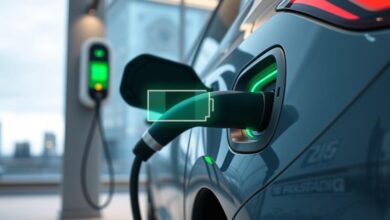
Charging habits are among the most impactful factors for prolonging battery life in electric cars. Most manufacturers recommend avoiding full 100% charges and deep discharges to preserve battery health.
- Charge between 20% and 80%: Keeping the battery within this range minimizes stress on the cells.
- Limit fast charging: Use DC fast charging sparingly as it generates more heat, accelerating battery wear.
- Regular charging schedule: Instead of waiting for the battery to run low, plug in regularly to avoid deep discharges.
Climate Control and Storage Considerations
Extreme weather can degrade battery performance. Maintaining optimal temperature conditions is critical, especially if you plan to store your car for an extended period.
- Park in shaded or temperature-controlled environments: Reduce exposure to direct sunlight during hot weather.
- Pre-condition your vehicle: Use your electric car’s pre-conditioning feature to heat or cool the cabin and battery while still plugged in.
- Proper storage state of charge: For long-term storage, aim for a 40-60% charge rather than a full or empty battery.
Drive Smoothly and Manage Energy Use
How you drive can significantly impact battery longevity and overall range. Smooth, steady acceleration uses less energy, preventing premature battery strain.
- Avoid aggressive acceleration and braking: Reducing rapid power demands lowers battery load.
- Utilize regenerative braking: This technology recovers energy during deceleration and reduces battery draw.
- Limit heavy loads and towing: Carrying extra weight or towing reduces efficiency and increases battery usage.
Technology Advances and Battery Maintenance Tools
Modern electric cars are equipped with smart battery management systems (BMS) that monitor cell health and optimize charging patterns. Leveraging these technologies enhances battery care.
- Software updates: Regularly update your vehicle’s software, which often includes battery optimization improvements.
- Battery health diagnostics: Use onboard diagnostics or apps provided by manufacturers to check battery status frequently.
- Thermal management systems: Vehicles with active cooling/heating maintain battery temperatures within ideal ranges, slowing degradation.
Choosing the Right Electric Car: Battery Type and Warranty
Before purchasing an electric car, battery type and warranty coverage are important considerations impacting total ownership cost and peace of mind.
Comparison of Popular Electric Car Battery Types
| Battery Type | Energy Density | Lifespan | Thermal Sensitivity | Cost | Common Vehicles |
|---|---|---|---|---|---|
| Lithium-ion (NMC/NCA) | High | 8–10 years / 100,000–200,000 miles | Moderate | Medium to High | Tesla Model 3, Chevrolet Bolt |
| Lithium Iron Phosphate (LFP) | Moderate | 10–15 years / 150,000+ miles | Low (better thermal stability) | Medium | Tesla Model 3 Standard Range, BYD, some Hyundai/Kia EVs |
| Solid-State (Emerging) | Very High (projected) | Unknown (in testing) | Low (expected) | High (emerging tech) | Future models – under development |
Understanding the battery chemistry helps buyers anticipate maintenance needs and vehicle performance in various climates.
Best Practices for Long-Term Battery Care for Electric Cars
Consistency in following battery care tips will extend the life and efficiency of electric car batteries considerably over the years.
- Keep the software and firmware up-to-date for improved battery management.
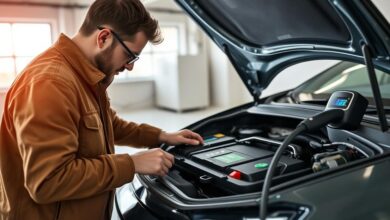
- Schedule regular maintenance with your dealership or trusted EV technician to identify early signs of battery degradation.
- Adopt conservative charging and driving habits immediately after purchase to preserve long-term battery health.
- Use recommended chargers and cables to avoid electrical issues or battery damage.
- If available, enroll in battery health monitoring services offered by your manufacturer.
Summary: Key Battery Maintenance Tips
- Avoid extreme charge levels—prefer 20-80% battery charge for daily use.
- Store the vehicle partially charged if not used for long periods.
- Minimize frequent use of DC fast chargers unless necessary.
- Park in temperature-controlled or shaded areas when possible.
- Drive smoothly and use regenerative braking technology.
Frequently Asked Questions (FAQ)
How long do electric car batteries typically last?
Electric car batteries generally last between 8 to 15 years or roughly 100,000 to 200,000 miles, depending on the battery chemistry, climate, and how well they are maintained.
Is it better to lease or buy an electric car considering battery depreciation?
Leasing an electric car can reduce concerns about long-term battery degradation since leases typically cover the vehicle for about 2-3 years. Buying offers more control but requires attention to battery care and potential replacement costs over time.
What charging practices help extend battery life?
Charging your EV to around 80%, avoiding frequent fast charging, and not letting the battery drop below 20% regularly are best practices to maximize battery lifespan.
Can extreme weather damage my electric car battery?
Yes, extreme cold and heat can reduce battery efficiency and accelerate degradation. Using pre-conditioning features and parking in temperature-controlled environments can mitigate these effects.
What is a good mileage range for buying a used electric car?
A used electric car with under 60,000 miles is generally a reasonable balance between cost and battery health. Always check battery capacity reports or get a battery health assessment before purchase.