
Why the 2024 Hyundai Ioniq 6 Stands Out in the Electric Sedan Segment
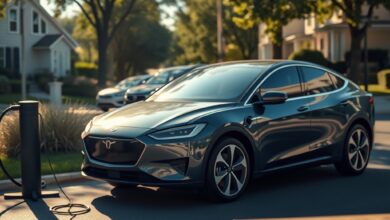
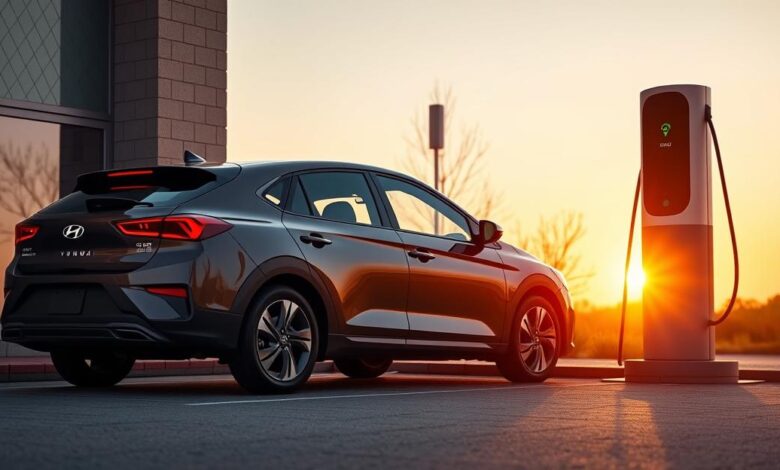
The automotive world is in the midst of a quiet revolution, and the 2024 Hyundai Ioniq 6 is leading the charge as a compelling electric sedan for families. With charging stations sprouting across suburbs and highway corridors, buyers are finally able to combine zero‑emission driving with the practicality of a roomy, comfortable cabin. Hyundai’s latest offering blends sleek aerodynamics with a spacious interior, making it a serious contender for anyone looking to replace a conventional family car with an electric alternative. In this review we’ll break down the Ioniq 6’s performance, technology, and ownership costs so you can decide if it truly earns the badge of “best electric sedan for families.”
Design and Family‑Friendly Space
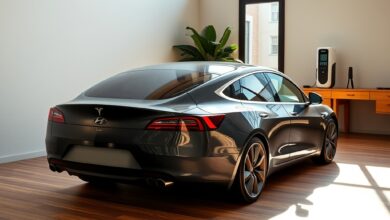
Hyundai has taken a bold design direction with the Ioniq 6, borrowing cues from the brand’s dedicated EV sub‑brand, Ioniq. The low, fastback silhouette reduces drag to an impressive 0.21 Cd, which directly translates into better range—an essential factor for family road trips. Inside, the cabin feels more like a lounge than a traditional sedan. The flat floor, thanks to the skateboard‑style battery pack, creates generous legroom for rear‑seat passengers, while the 20‑inch wheels sit beneath a wide track that improves stability on highway cruising.
- Rear‑seat comfort: 45‑inch headroom and 38‑inch legroom, enough for two child seats or adult passengers.
- Cargo capacity: 27 cubic feet behind the rear seats; expands to 54 cubic feet with the rear seats folded.
- Materials: Eco‑friendly recycled plastics and vegan leather options appeal to environmentally conscious families.
Performance and Real‑World Range
The Ioniq 6 offers two powertrain options: a rear‑wheel‑drive (RWD) single‑motor setup producing 225 hp, and an all‑wheel‑drive (AWD) dual‑motor version delivering up to 320 hp. Both configurations use a 77.4 kWh lithium‑ion battery, but the RWD model is rated for an EPA‑estimated 310 miles of range, while the AWD version provides about 274 miles. For families that need to tackle weekend getaways, the RWD model’s longer range can reduce the anxiety of finding a charger on the road.
Acceleration is respectable for a family sedan—0‑60 mph in 6.9 seconds (RWD) and 5.2 seconds (AWD). The smooth torque delivery makes merging onto highways effortless, and regenerative braking can be tuned to recapture up to 180 hp of energy during stop‑and‑go traffic, further extending the usable range.
Key Technology Features That Appeal to Families
Infotainment and Connectivity
The Ioniq 6’s 12.3‑inch touchscreen runs Hyundai’s latest BlueLink system, offering Apple CarPlay, Android Auto, and a built‑in Wi‑Fi hotspot. Parents will appreciate the ability to create separate driver and passenger profiles, ensuring each family member gets their preferred navigation settings, music playlists, and climate controls at the touch of a button.
- Voice‑activated navigation with real‑time traffic updates.
- Over‑the‑air (OTA) software updates keep the system fresh without a dealership visit.
- Family‑friendly apps: parental controls, location sharing, and emergency assistance.
Safety Systems
Hyundai equips the Ioniq 6 with a comprehensive suite of driver‑assistance technologies under the “Hyundai SmartSense” banner. Standard features include Forward Collision‑Avoidance Assist, Blind‑Spot Collision‑Warning, and Adaptive Cruise Control with Stop‑and‑Go. The sedan also earned a Top Safety Pick+ from the IIHS, thanks to its robust structural design and advanced airbag system.
- Rear‑seat reminder alerts to prevent forgotten children or pets.
- Parking‑Assist Pro with 360‑degree cameras, perfect for tight suburban garages.
- High‑definition night vision (optional) for enhanced visibility on dark rural roads.
Pricing, Incentives, and Ownership Costs
The 2024 Hyundai Ioniq 6 starts at $45,990 for the base RWD trim, while the AWD version begins at $52,490. Federal tax credits of up to $7,500 are still available for qualifying buyers, and many states add additional rebates ranging from $1,500 to $4,000. When you factor in reduced fuel costs—charging at home typically costs $0.13 per kWh versus $3.50 per gallon for gasoline—the total cost of ownership can be dramatically lower over a five‑year horizon.
Charging Costs vs. Fuel
A typical family’s daily commute of 30 miles translates to about 10 kWh of electricity. At $0.13/kWh, the daily cost is roughly $1.30, compared to $4.50 in gasoline for a comparable internal‑combustion sedan. Over a year, that’s a savings of over $1,200 in fuel alone.
Comparison with Competing Electric Sedans
Comparison of Top Electric Sedans for Families
| Model | Starting Price | EPA Range | Key Feature | Pros | Best For |
|---|---|---|---|---|---|
| Hyundai Ioniq 6 (RWD) | $45,990 | 310 miles | Aerodynamic fastback design | Spacious interior, excellent range, strong warranty | Tech‑savvy families |
| Tesla Model 3 | $44,990 | 353 miles | Supercharger network | Fast charging, high resale value | Early adopters who travel long distances |
| Kia EV6 | $48,500 | 310 miles | Ultra‑fast 800V charging | Sporty handling, bold styling | Younger families seeking performance |
| Ford Mustang Mach‑E | $49,995 | 305 miles | Integrated infotainment with SYNC 4 | Strong brand heritage, roomy cargo area | Fans of American muscle aesthetics |
| Volkswagen ID.4 | $41,990 | 260 miles | Practical crossover‑sedan blend | Affordable, comfortable ride | Budget‑conscious families |
When you stack the Ioniq 6 against its rivals, its combination of range, interior space, and Hyundai’s 10‑year/100,000‑mile powertrain warranty makes it a compelling choice for families that value reliability as much as technology.
Buying Guide: How to Choose the Right Electric Sedan for Your Family
Assessing Your Driving Needs
Before you sign a purchase agreement, map out your typical weekly mileage, charging availability at home or work, and the longest trips you anticipate. Families that frequently travel more than 250 miles in a single outing should prioritize a model with a higher EPA range and fast‑charging capability.
- Daily commute: < 40 miles → any EV with 200‑mile range will suffice.
- Weekly road trips: 150‑300 miles → aim for 300+ mile EPA range.
- Charging infrastructure: Home charger (Level 2) + public fast chargers → reduces range anxiety.
Financing vs. Leasing
Electric vehicles often qualify for attractive lease deals because manufacturers want to move inventory quickly and benefit from tax incentives. However, buying can be smarter if you plan to keep the car for more than three years, especially when you consider the long‑term savings on fuel and maintenance.
- Leasing advantages: Lower monthly payments, ability to upgrade to newer tech every 2‑3 years, warranty coverage for the entire lease term.
- Buying advantages: No mileage caps, eligibility for federal tax credit (if purchased new), higher resale value as EV demand grows.
- Break‑even analysis: Use a simple spreadsheet to compare total cost of lease (including down payment, monthly, fees) versus loan payments plus expected resale value.
Practical Tips for Test Drives and Inspection
When you schedule a test drive, bring the whole family. Pay attention to rear‑seat legroom, the ease of folding seats for strollers, and the visibility of the rear‑view camera. Ask the dealer to demonstrate regenerative braking levels and the charging port location—small details that can make daily life smoother.
- Check for software updates on the infotainment screen before leaving the lot.
- Verify that the vehicle’s warranty covers the battery for at least 8 years or 100,000 miles.
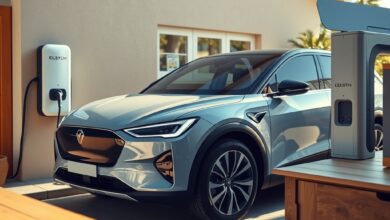
- Ask about home charger installation packages; many manufacturers partner with electricians for a discounted rate.
Future Outlook: What the Next Generation of Electric Sedans Means for Families
The electric sedan market is evolving rapidly. By 2026, we expect to see solid‑state batteries offering 20‑30% more range, integrated solar roofs that add a few extra miles per day, and even more advanced driver‑assist features that could eventually allow hands‑free highway cruising. Hyundai has already hinted at a second‑generation Ioniq 6 with a 400‑mile EPA range and an upgraded 15‑inch infotainment panel. Families that invest now will benefit from a growing network of fast chargers and a resale market that increasingly values zero‑emission vehicles.
FAQ
Is it better to lease or buy an electric sedan for a family?
Leasing offers lower monthly payments and the flexibility to upgrade every few years, which is attractive if you want the latest tech. Buying, however, eliminates mileage limits, allows you to claim the full federal tax credit, and can be more cost‑effective if you plan to keep the car for 5+ years. Run a break‑even analysis based on your expected ownership period to decide.
How far can I realistically drive a 2024 Hyundai Ioniq 6 on a single charge?
The EPA estimates 310 miles for the RWD model and 274 miles for the AWD version. Real‑world range will vary with driving style, temperature, and use of climate control, but most families report 250‑280 miles before needing to recharge on typical mixed‑city/highway trips.
What home‑charging setup do I need for an electric sedan?
A Level 2 (240‑volt) home charger is recommended for daily use, delivering about 25‑30 miles of range per hour of charge. Installation usually costs $500‑$1,200, and many utilities offer rebates