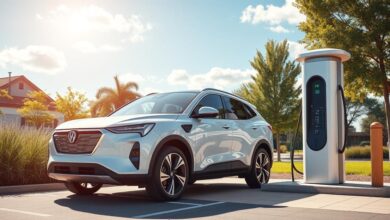

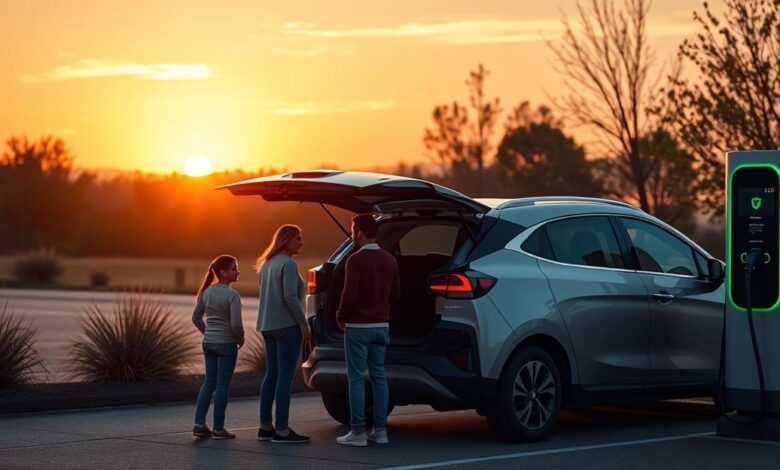
Family road trips are evolving, and the surge of electric cars is reshaping how parents plan long‑distance adventures. Imagine loading the kids, luggage, and a fully charged battery, then cruising silently through mountain passes without the anxiety of a gas pump stop. The reality of electric cars on the highway is no longer a futuristic fantasy—it’s a practical option for families seeking lower emissions, predictable fuel costs, and cutting‑edge tech. Yet choosing the perfect EV for a family road trip involves more than just looking at the badge; it requires a deep dive into range, charging infrastructure, interior space, and total cost of ownership.
Assessing Your Family’s Road‑Trip Requirements
Before you even glance at a brochure, map out the typical journeys your family undertakes. Consider these key variables:
- Average trip distance: How many miles do you usually drive between destinations?
- Frequency of trips: Weekend getaways versus weekly school runs?
- Passenger count: Number of seats needed for kids, grandparents, or friends.
- Luggage volume: Strollers, sports gear, or camping equipment that must fit comfortably.
- Charging availability: Access to home chargers, workplace plugs, or fast‑charging networks along your routes.
Answering these questions creates a baseline that will guide every subsequent decision, ensuring the electric car you select aligns with real‑world family needs rather than marketing hype.
Range, Battery Capacity, and Real‑World Charging
Range anxiety is the most common barrier for families considering an EV. While EPA estimates provide a useful starting point, real‑world conditions—highway speeds, temperature extremes, and extra weight from passengers and cargo—can reduce effective range by 10‑20 percent.
Key Factors That Influence Range on Family Trips
- Battery size (kWh): Larger packs generally deliver more miles but add weight and cost.
- Vehicle aerodynamics: Sleeker designs lose less energy at highway speeds.
- Climate control usage: Heating or air‑conditioning can drain the battery quickly.
- Driving style: Aggressive acceleration shortens range; steady cruising extends it.
For long trips, the ability to recharge quickly is paramount. Look for vehicles that support DC fast‑charging rates of at least 150 kW, which can add 80 % range in roughly 30 minutes on many networks. Additionally, verify that fast‑charging stations are conveniently located along your most‑traveled corridors—apps like PlugShare or ChargePoint make this planning straightforward.
Space, Comfort, and Family‑Friendly Features
Electric cars have the advantage of a flat floor and flexible interior layouts, often translating into more usable cargo space compared with similarly sized gasoline SUVs. However, not all EVs are created equal when it comes to family comfort.
Interior Checklist for Family Road Trips
- Seating capacity: Minimum of five seats; optional third‑row for larger families.
- Child‑seat anchor points (LATCH): Verify the number and placement of anchors in both rows.
- Cargo volume: Look for at least 30 cubic feet behind the second row, with the ability to expand when seats are folded.
- Rear‑seat entertainment: Built‑in screens or wireless streaming can keep kids occupied.
- Noise insulation: Quiet cabins are a hallmark of EVs, but check for wind or road noise at highway speeds.
Features such as panoramic sunroofs, adjustable climate zones, and hands‑free sliding doors (available on a few models) can elevate the travel experience for both kids and adults.
Total Cost of Ownership: Financing, Incentives, and Ongoing Expenses
While the sticker price of many electric cars remains higher than comparable gas‑powered models, the total cost of ownership (TCO) often tells a different story. Families should evaluate financing options, federal and state incentives, and projected savings on fuel and maintenance.
Financing vs. Leasing for Family EVs
- Leasing: Lower monthly payments, ability to upgrade every 2–3 years, but mileage limits may be restrictive for frequent road trippers.
- Financing (loan): Higher payments but unlimited mileage, eventual ownership, and eligibility for tax credits that may be tied to the purchase.
Many states offer rebates of $2,500–$7,500 on new electric car purchases, and the federal tax credit can be up to $7,500 depending on battery size and manufacturer eligibility. Factor these incentives into your budget calculations to determine the true out‑of‑pocket cost.
Future‑Proofing: Technology, Software Updates, and Resale Value
Electric cars are essentially rolling computers. Over‑the‑air (OTA) software updates can improve range, add new driver‑assist features, or refresh infotainment systems without a dealership visit. When selecting a family EV, prioritize manufacturers with a proven track record of regular OTA support.
Technology Checklist for Long‑Term Satisfaction
- Advanced driver‑assistance systems (ADAS): Adaptive cruise control, lane‑keeping assist, and automatic emergency braking enhance safety on long highways.
- Infotainment compatibility: Apple CarPlay, Android Auto, and built‑in Wi‑Fi keep everyone connected.
- Battery warranty: Look for at least 8‑year or 100,000‑mile coverage to protect against degradation.
- Resale outlook: Models with strong brand reputation and high demand retain value better, which is crucial if you plan to upgrade after several years.
By choosing an EV with robust software support and a solid warranty, families can enjoy peace of mind that the vehicle will stay up‑to‑date throughout its lifespan.
Choosing the Right Model: A Comparative Look at Top Family‑Friendly EVs
The market now offers several electric cars that balance range, space, and price—making the decision both exciting and challenging. Below is a side‑by‑side comparison of five leading models that excel on family road trips.
Comparison of Top Family‑Friendly EVs
| Model | Starting Price | EPA Range | Seating Capacity | Key Feature | Pros | Best For |
|---|---|---|---|---|---|---|
| Tesla Model Y | $49,990 | 330 miles | 5 (optional 7) | Supercharger network | Excellent range, strong performance, OTA updates | Tech‑savvy families who travel frequently |
| Ford Mustang Mach‑E | $48,500 | 305 miles | 5 | Co‑Pilot360 ADAS suite | Spacious interior, good handling, fast‑charging up to 150 kW | Families wanting a sporty feel with practicality |
| Hyundai Ioniq 5 | $44,650 | 303 miles | 5 | 800 V ultra‑fast charging (up to 210 kW) | Generous cargo space, modern design, excellent warranty | Budget‑conscious families needing quick top‑ups |
| Kia EV6 | $45,900 | 310 miles | 5 | Dual‑motor AWD option | Sporty handling, sleek interior, fast charging | Active families who need all‑weather capability |
| Volkswagen ID.4 | $41,500 | 260 miles | 5 | Integrated infotainment with wireless Apple CarPlay | Comfortable ride, roomy cabin, competitive pricing | First‑time EV buyers looking for simplicity |
When comparing these models, weigh the importance of range against price, consider the availability of fast‑charging stations along your typical routes, and match interior space to your family’s cargo needs. The Tesla Model Y leads in pure range, but the Hyundai Ioniq 5 offers the fastest charging speed, which can be a decisive factor on long trips.
Putting It All Together: A Step‑by‑Step Decision Framework
To simplify the selection process, follow this practical framework:
- Define your trip profile: Average miles per trip, frequency, and required passenger/cargo space.
- Set a realistic budget: Include purchase price, potential incentives, and financing terms.
- Shortlist EVs that meet range and space criteria: Use the comparison table as a starting point.
- Check charging infrastructure: Verify fast‑charging locations on your most common routes.
- Evaluate ownership costs: Calculate TCO over 5‑7 years, factoring in electricity rates, maintenance, and warranty coverage.
- Test drive and assess tech: Experience ADAS, infotainment, and interior ergonomics first‑hand.
- Make an informed purchase or lease decision: Choose the financing method that aligns with your mileage expectations and desire for flexibility.
By methodically applying this checklist, families can confidently select an electric car that turns road‑trip dreams into a smooth, sustainable reality.
Frequently Asked Questions
Is it better to lease or buy an electric car for a family?
Leasing offers lower monthly payments and the ability to upgrade every few years, which can be attractive if you want the latest tech. However, leases often include mileage caps (usually 10,000–15,000 miles per year) that may be restrictive for frequent road‑trippers. Buying provides unlimited mileage and eventual ownership, allowing you to capitalize on long‑term savings and resale value. Evaluate your expected annual mileage and how long you plan to keep the vehicle before deciding.
How much range is enough for a typical family road trip?
A good rule of thumb is to have at least 250‑300 miles of EPA‑rated range on a single charge. This buffer accommodates highway speeds, climate control usage, and extra weight from passengers and cargo. If you regularly travel longer distances, aim for a model with 300+ miles of range or ensure you have reliable fast‑charging stations en route.
Can I charge an electric car at a regular gasoline station?
Most gasoline stations now host DC fast‑charging stations from networks like Electrify America, ChargePoint, or EVgo. While you can’t plug into a pump, many stations have dedicated EV chargers that can add 80 % range in 30‑45 minutes. Use apps to locate these chargers before you travel.
What maintenance differences should families expect with electric cars?