
Why Electric SUVs Are the Smart Choice for Families
The automotive world is accelerating toward a greener future, and families are at the forefront of this shift. Electric SUVs combine the spaciousness families need with zero‑emission powertrains that lower fuel costs and reduce carbon footprints. As charging networks expand and government incentives sweeten the deal, the question isn’t whether to go electric—it’s which family‑friendly model fits your lifestyle and budget.
Key Factors to Consider When Shopping for an Electric SUV
Range and Real‑World Driving Needs
Range anxiety is still a real concern, especially on long road trips or weekend getaways. Look beyond the EPA‑rated number and ask:
- What is the EPA‑estimated range under mixed driving conditions?
- How does the range drop with a full passenger load and cargo?
- Are there fast‑charging stations along your typical routes?
For most suburban families, a minimum of 250 miles per charge offers a comfortable buffer for daily commutes and occasional trips.
Space, Seating, and Cargo Flexibility
Family comfort hinges on flexible interior layouts. Prioritize models that provide:
- Third‑row seating that folds flat for extra cargo.
- Wide door openings for easy child‑seat installation.
- Adjustable rear‑seat configurations to accommodate strollers, sports gear, or groceries.
Even a compact electric SUV should deliver at least 60 cubic feet of cargo volume with the rear seats up.
Charging Infrastructure and Home Setup
Convenient charging can make or break the ownership experience. Evaluate both public and private options:
- Is a Level 2 (240 V) home charger included or offered at a discount?
- Does the brand provide a network of fast chargers (e.g., Tesla Supercharger, Electrify America) along your common routes?
- Are there workplace charging perks that could offset home‑charging costs?
Installing a Level 2 charger typically costs $500‑$1,200, but many utilities offer rebates that reduce the out‑of‑pocket expense.
Total Cost of Ownership
While the sticker price of an electric SUV can be higher than a comparable gasoline model, the total cost of ownership (TCO) often tells a different story. Factor in:
- Federal tax credit of up to $7,500 (subject to phase‑out limits).
- State incentives, reduced registration fees, and HOV lane access.
- Lower fuel costs—electricity is roughly 3‑4 cents per mile versus 12‑15 cents for gasoline.
- Reduced maintenance—no oil changes, fewer moving parts.
A well‑chosen electric SUV can save $4,000‑$6,000 over five years compared to a gasoline sibling.
Top Electric SUVs for Families in 2024
Compact Yet Capable: Ford Mustang Mach‑E
The Mustang Mach‑E blends sporty styling with a practical interior. Its 68‑kWh battery delivers up to 305 miles of range, while the rear‑seat width comfortably fits three child seats. Standard driver‑assist features include Ford Co‑Pilot360, making highway driving less stressful for parents.
Mid‑Size Family Favorite: Hyundai Ioniq 5
Hyundai’s Ioniq 5 stands out with its flat floor, 77.4‑kWh battery, and up to 303 miles of range. The sliding rear doors on the concept version are expected in future trims, but even the current model offers a 73‑inch cargo length with the seats folded. Its 800‑volt architecture enables 80% charge in just 18 minutes at a DC fast charger.
Premium Luxury Option: Tesla Model Y
For families that crave tech and performance, the Model Y remains a benchmark. With a 75‑kWh battery pack, the Long‑Range version tops out at 330 miles. The minimalist cabin includes a 15‑inch touchscreen that controls everything from climate to rear‑seat entertainment, and the expansive glass roof adds a feeling of spaciousness.
Budget‑Friendly Choice: Kia EV6
The Kia EV6 offers a compelling value proposition. Its 77.4‑kWh battery can achieve 310 miles, and the interior provides a generous 62.8 cubic feet of cargo space. Standard safety suites, a user‑friendly infotainment system, and a starting price under $45,000 make it an attractive entry point for families transitioning to electric.
Comparison of 2024 Electric SUVs
| Model | Starting Price | EPA Range | Seating Capacity | Key Family Feature | Best For |
|---|---|---|---|---|---|
| Ford Mustang Mach‑E | $44,995 | 305 miles | 5 | Co‑Pilot360 driver assist | Sporty families |
| Hyundai Ioniq 5 | $46,500 | 303 miles | 5 | 800‑V fast‑charging | Tech‑savvy parents |
| Tesla Model Y | $58,990 | 330 miles | 5 | Full‑self‑driving option | Luxury seekers |
| Kia EV6 | $42,795 | 310 miles | 5 | Spacious cargo floor | Budget‑conscious families |
Financing and Incentives: Getting the Best Deal on an Electric SUV
Leasing vs. Buying for Families
Both leasing and buying have merit, but families often prioritize flexibility and long‑term cost savings. Consider these points:
- Leasing offers lower monthly payments and the ability to upgrade every 2‑3 years, which can be appealing as battery technology improves.
- Buying builds equity, eliminates mileage restrictions, and maximizes the benefit of federal tax credits.
- Calculate the total cost over the ownership horizon—leasing may look cheaper month‑to‑month but could cost more after accounting for down payments, fees, and eventual purchase.
Federal, State, and Local Incentives
In 2024, the federal tax credit still applies to many new electric SUVs, though it phases out once a manufacturer sells 200,000 units. Additional incentives include:
- State rebates ranging from $1,500 to $5,000 (e.g., California Clean Vehicle Rebate Project).
- Utility‑company discounts for home‑charger installation.
- Local HOV lane stickers that reduce commute times.
Use an incentive calculator before you finalize a purchase to ensure you capture every dollar.
Trade‑In and Resale Value Considerations
Electric SUVs retain value better than many early‑generation EVs, thanks to improving battery longevity and brand reputation. When trading in:
- Check the battery health report—most manufacturers offer a 70% capacity guarantee after 8 years.
- Highlight the vehicle’s software update history; OTA improvements can boost resale appeal.
- Consider timing—selling before a major model refresh can fetch a premium.
Future‑Proofing Your Family’s Green Ride
Upcoming Battery Technologies
Solid‑state batteries are expected to enter production by 2027, promising higher energy density and faster charging. While not available in 2024 models, choosing a platform with a modular battery pack can simplify future upgrades.
Software Updates and Over‑the‑Air Improvements
Manufacturers like Tesla and Hyundai now push OTA updates that add features, improve range, and refine driver‑assist systems. Opt for a model with a proven OTA track record to ensure your family’s vehicle stays current without visiting a dealer.
Resale Outlook for 2025‑2030
As EV adoption accelerates, demand for used electric SUVs will rise. Anticipate stronger resale values for models with:
- Long warranty periods (8‑year/100,000‑mile battery coverage).
- Robust charging network compatibility.
- High safety ratings from NHTSA and IIHS.
Planning a resale strategy now—such as maintaining a full service record and preserving the original charging equipment—will maximize your return.
FAQ
Is it better to lease or buy an electric SUV for a growing family?
Leasing offers lower monthly payments and the chance to upgrade as technology improves, which can be attractive for families who anticipate changing needs. Buying, however, eliminates mileage caps, builds equity, and lets you fully capitalize on tax credits and incentives. Evaluate your expected ownership period, driving habits, and budget to decide which aligns with your family’s long‑term goals.
What range should I look for in a family‑focused electric SUV?
A real‑world range of at least 250 miles is advisable for most families. This provides a comfortable buffer for daily school runs, grocery trips, and occasional weekend getaways without frequent charging stops.
Can I install a Level 2 charger in a rented home?
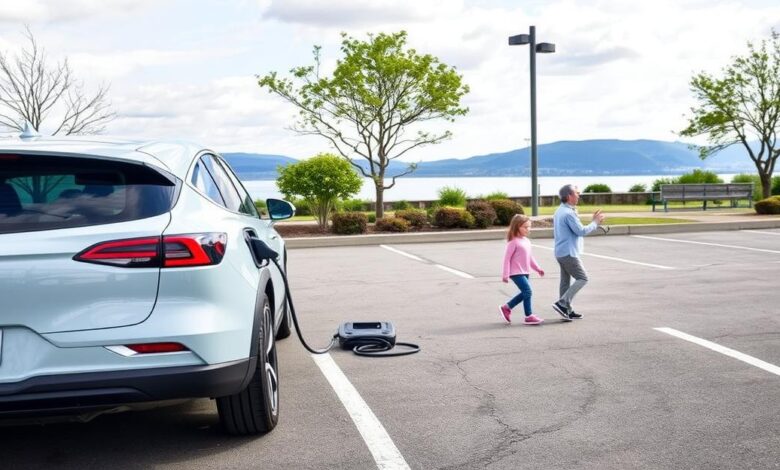
Many landlords now allow Level 2 charger installations, especially if you negotiate a portable charger solution. Check your lease agreement and local building codes, and consider a portable EVSE that plugs into a standard 240 V outlet.
Do electric SUVs qualify for federal tax credits in 2024?
Yes, most 2024 electric SUVs still qualify for the federal tax credit of up to $7,500, provided the manufacturer has not exceeded the 200,000‑vehicle cap. Verify the specific model’s eligibility on the IRS website or with your dealer.
How does charging affect the warranty on my electric SUV?
Using approved chargers (Level 2 or DC fast chargers that meet the manufacturer’s specifications) will not void the warranty