
Why the 2024 Hyundai Ioniq 6 Is Turning Heads in the Electric Sedan Segment
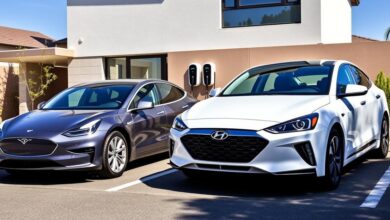
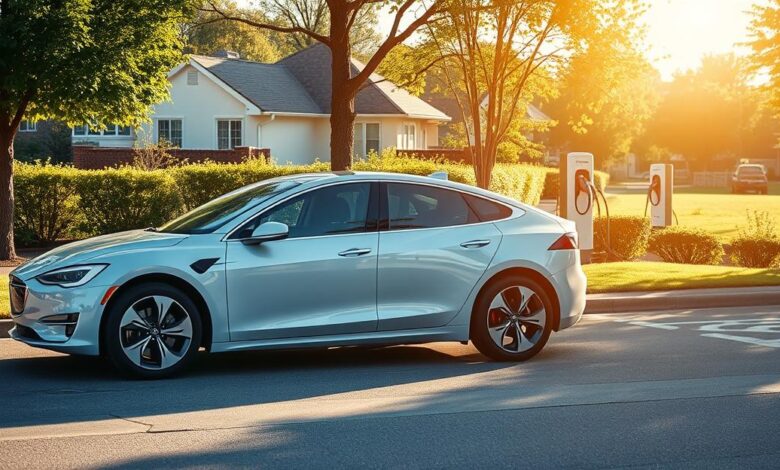
The automotive world is accelerating toward a fully electric future, and families are no longer forced to choose between practicality and sustainability. The 2024 Hyundai Ioniq 6 arrives as a sleek, spacious, and affordable electric sedan that promises to meet the needs of everyday drivers while delivering the excitement of cutting‑edge EV technology. With its aerodynamic silhouette, generous interior volume, and a price point that undercuts many rivals, the Ioniq 6 positions itself as a compelling option for families looking to make the switch without compromising on comfort or style.
Exterior Design and Family‑Friendly Practicality
Hyundai has taken a bold step away from the conventional hatchback silhouette of the original Ioniq, opting for a fastback profile that feels both modern and aerodynamic. The low drag coefficient (0.21) not only improves efficiency but also reduces wind noise, creating a quieter cabin for rear‑seat passengers.
Key Design Elements That Appeal to Families
- Wide rear doors: Easier access for child seats and strollers.
- Flat floor architecture: Maximizes legroom for rear occupants, giving teenagers room to stretch on longer trips.
- Hands‑free smart trunk: Opens with a foot motion, perfect when your hands are full of groceries or sports gear.
- Integrated roof rails: Supports bike racks or roof boxes without compromising the sleek roofline.
Overall cargo capacity reaches 27.2 cubic feet with the rear seats up, expanding to 57.5 cubic feet when folded—ample space for family vacations, school projects, or weekend getaways.
Performance, Range, and What to Expect on the Road
The Ioniq 6 offers two battery options: a 53 kWh pack for city commuters and a 77.4 kWh pack for longer journeys. Paired with a single‑motor rear‑wheel‑drive (RWD) or an optional dual‑motor all‑wheel‑drive (AWD), the sedan delivers a blend of efficiency and spirited acceleration.
Real‑World Range for Families
- RWD 53 kWh: EPA‑estimated 260 miles, ideal for daily school runs and short road trips.
- AWD 77.4 kWh: EPA‑estimated 340 miles, providing extra confidence on cross‑country vacations.
- Charging Speed: 800‑volt architecture supports up to 220 kW DC fast charging, adding roughly 80 miles of range in just 5 minutes.
For families that need predictable range, Hyundai’s “Smart Regeneration” system learns driving habits and adjusts regenerative braking to extend mileage without sacrificing a natural driving feel.
Technology, Safety, and In‑Car Comfort
Hyundai equips the Ioniq 6 with a suite of driver‑assistance features that earn it top safety scores and make it a practical choice for families with teenage drivers.
Standard Safety Suite (Hyundai SmartSense)
- Forward Collision‑Avoidance Assist with Pedestrian Detection
- Lane Keeping Assist and Lane Following Assist
- Blind‑Spot View Monitor with Rear Cross‑Traffic Alert
- Highway Driving Assist 2.0 for semi‑autonomous cruising
The interior centers around a 12.3‑inch digital instrument cluster and a 14.5‑inch infotainment touchscreen that runs Hyundai’s latest Android Auto and Apple CarPlay integration. Voice‑activated climate controls, a wireless charging pad, and an optional 12‑speaker Bose premium audio system keep passengers comfortable and entertained.
Pricing, Incentives, and Ownership Costs
One of the strongest selling points of the 2024 Hyundai Ioniq 6 is its competitive pricing. The base RWD model starts at $44,950 before federal and state incentives, while the AWD version begins at $49,950. When combined with the federal tax credit of up to $7,500 and potential state rebates, the effective out‑the‑door price can dip below $42,000 for many buyers.
Cost‑of‑Ownership Breakdown
- Fuel Savings: At an average electricity cost of $0.13/kWh, the Ioniq 6’s efficiency (≈4.0 mi/kWh) translates to roughly $0.03 per mile—significantly lower than gasoline‑powered sedans.
- Maintenance: Fewer moving parts mean reduced service intervals; Hyundai offers a 10‑year/100,000‑mile powertrain warranty for added peace of mind.
- Insurance: EVs often qualify for lower premiums due to advanced safety features, but it’s wise to obtain quotes that factor in the vehicle’s repair cost profile.
Comparison of Top Electric Sedans for Families
How the Ioniq 6 Stacks Up Against Its Main Rivals
| Model | Starting Price | EPA Range | Key Family Feature | Pros | Best For |
|---|---|---|---|---|---|
| Hyundai Ioniq 6 (RWD) | $44,950 | 260 miles | Spacious rear seat & cargo | Excellent value, fast charging, strong warranty | Budget‑conscious families |
| Tesla Model 3 | $46,990 | 272 miles | Supercharger network | High resale value, over‑the‑air updates | Tech‑savvy commuters |
| Kia EV6 | $48,750 | 310 miles | Adjustable rear seats | Sporty design, 800 V charging | Active families |
| Ford Mustang Mach‑E | $50,250 | 305 miles | Hands‑free liftgate | Strong performance, versatile trims | Performance‑oriented households |
Buying Guide: What Families Should Evaluate Before Purchasing the Ioniq 6
Choosing an electric sedan involves more than just looking at range. Below are the critical factors families should assess to ensure the Ioniq 6 meets their daily needs and long‑term expectations.
1. Determine Your Daily and Seasonal Driving Patterns
- Calculate average weekly mileage (including school runs, errands, and weekend trips).
- Consider climate impacts; colder weather can reduce EV range by 10‑20%.
- If you frequently travel >300 miles per trip, prioritize the AWD 77.4 kWh version.
2. Evaluate Home Charging Infrastructure
- Install a Level 2 (240 V) charger for overnight home charging; most utilities offer rebates.
- If you live in an apartment, verify that the building supports EV charging or locate nearby public chargers.
- Take advantage of Hyundai’s “Charge Forward” program, which may provide discounted charger installation.
3. Factor in Incentives and Tax Credits
- Check federal tax credit eligibility; the Ioniq 6 qualifies for up to $7,500.
- Research state-specific rebates, such as California’s Clean Vehicle Rebate Project (CVRP) or New York’s Drive Clean Rebate.
- Some utilities offer time‑of‑use (TOU) rates that can lower charging costs during off‑peak hours.
4. Compare Leasing vs. Buying for an EV
- Leasing: Lower monthly payments, ability to upgrade to newer technology every 3‑4 years, but mileage caps may be restrictive for families.
- Buying: Higher upfront cost, but you own the battery and can benefit from long‑term savings and potential resale value.
- Hyundai’s 5‑year/60,000‑mile lease often includes complimentary maintenance and free roadside assistance.
5. Test Real‑World Cargo and Seating Needs
Before finalizing your decision, bring a typical set of family gear—stroller, sports equipment, or a grocery load—to the dealership. Verify that the rear seat width and cargo floor height accommodate your everyday items without excessive folding or rearranging.
Future Outlook: How the Ioniq 6 Positions Hyundai in the EV Market
Hyundai’s commitment to a dedicated EV platform (E‑GMP) means the Ioniq 6 will benefit from future software updates, battery improvements, and expanded fast‑charging networks. The company has announced a roadmap that includes a 200‑kWh solid‑state battery prototype slated for the latter half of the decade, potentially extending range beyond 400 miles.
For families, this translates to a vehicle that not only meets current needs but also stays relevant as charging infrastructure evolves. Hyundai’s partnership with Electrify America ensures that owners will have access to an expanding network of 350‑kW chargers, reducing “range anxiety” on long trips.
FAQ
Is it better to lease or buy the 2024 Hyundai Ioniq 6?
Leasing offers lower monthly payments and the flexibility to upgrade to newer EV technology after 36–48 months, which can be attractive if you anticipate rapid advancements. However, leasing often includes mileage limits (typically 10,000–15,000 miles per year) that may be restrictive for families with frequent road trips. Buying involves a higher upfront cost but provides long‑term savings, ownership of the battery, and the ability to keep the car after the warranty expires.
What is a realistic range for a used electric sedan like the Ioniq 6?
When buying a used Ioniq 6, expect a slight reduction in range due to battery degradation—typically 5‑10% after 30,000 miles. A well‑maintained 2023 model with the 77.4 kWh pack should still deliver around 300 miles of EPA‑rated range. Always request a battery health report and consider a warranty extension for added confidence.
Can the Ioniq 6’s fast‑charging capability affect battery longevity?
Hyundai’s 800‑volt architecture is designed to handle high‑power charging while managing heat effectively. Regular use of 220 kW fast chargers will not significantly impact battery health, especially when the vehicle’s thermal management system monitors temperature. For everyday charging, a Level 2 home charger remains the most battery‑friendly option.
How does the Ioniq 6 compare to the Tesla Model 3 in terms of family practicality?
The Ioniq 6 offers a more spacious rear seat and a larger cargo area, making it easier to accommodate child seats and luggage. While the Model 3 provides a slightly higher range and a more extensive supercharger network, the Ioniq 6’s warranty, lower price after incentives, and hands‑free trunk make it a stronger choice for families seeking convenience over raw performance.
What incentives are currently available for the Ioniq 6 in the United States?
As of 2024, the federal tax credit of up to $7,500 is available for qualifying buyers. Many states also offer additional rebates ranging from $1,000 to $5,000, and several utilities provide discounted electricity rates for EV charging. Check the Department of Energy’s Alternative Fuels Data Center for a state‑by‑state breakdown.