
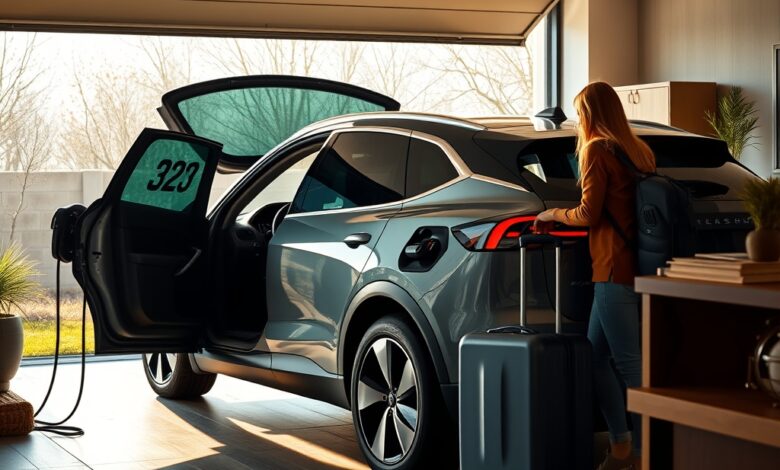
Why Electric SUVs Are the Future of Family Adventures
The automotive landscape is accelerating toward a greener horizon, and electric SUVs are at the forefront of that shift. Families craving space, safety, and sustainability now have a compelling alternative to traditional gasoline‑powered crossovers. With zero‑emission powertrains delivering instant torque, these vehicles turn everyday school runs and weekend getaways into quiet, cost‑effective journeys. As charging infrastructure expands and incentives sweeten the deal, the question isn’t “if” you should go electric, but “which” electric SUV fits your family’s adventure style.
Key Criteria for Choosing an Electric SUV
Before diving into the model lineup, it’s essential to define the parameters that matter most to family buyers. The right electric SUV balances performance, practicality, and price while aligning with your lifestyle.
Space and Seating Flexibility
- Third‑row availability for larger families or occasional cargo.
- Fold‑flat rear seats to maximize cargo volume for gear, strollers, or sports equipment.
- Adjustable seating configurations that accommodate child safety seats without compromising comfort.
Range and Charging Capability
- EPA‑rated range that comfortably exceeds your typical weekly mileage plus a safety buffer.
- Fast‑charging support (DC‑CCS) to replenish 80% of the battery in under an hour on highway trips.
- Home‑charging options (Level 2) that fit your garage’s electrical capacity.
Safety and Technology
- Top safety scores from NHTSA and IIHS, including advanced driver‑assist systems (ADAS).
- Infotainment platforms with multiple USB‑C ports, wireless Apple CarPlay/Android Auto, and rear‑seat entertainment.
- Over‑the‑air (OTA) updates that keep software current without dealership visits.
Cost of Ownership
- Federal and state tax credits that can shave $7,500 or more off the purchase price.
- Lower fuel costs—electricity versus gasoline—and reduced maintenance (no oil changes, fewer moving parts).
- Insurance considerations for EVs, which can differ from conventional SUVs.
Top 2024 Electric SUVs for Family Adventures
After evaluating the criteria above, we’ve narrowed the market to the most compelling 2024 electric SUVs that deliver space, range, and family‑friendly tech.
Comparison of Top 2024 Electric SUVs
| Model | Starting Price | EPA Range | Seating Capacity | Key Feature | Pros | Best For |
|---|---|---|---|---|---|---|
| Tesla Model Y | $58,990 | 330 miles | 7 | Extensive Supercharger network | Excellent range, strong performance, OTA updates | Tech‑savvy families who travel long distances |
| Ford Mustang Mach‑E 4‑Seat | $55,495 | 305 miles | 4 | Integrated infotainment with SYNC 4 | Sporty handling, attractive interior design | Families that prioritize style and driving fun |
| Volkswagen ID.4 Pro | $44,995 | 260 miles | 5 | Spacious cargo floor | Affordably priced, comfortable ride | Budget‑conscious families needing practicality |
| Hyundai Ioniq 5 AWD | $56,750 | 274 miles | 5 | 800‑volt ultra‑fast charging (10‑80% in 18 min) | Innovative interior, generous warranty | Families who value quick charging and futuristic cabin |
| Kia EV6 GT-Line | $58,200 | 310 miles | 5 | Panoramic roof with solar‑glass option | Sporty aesthetics, solid range | Active families who enjoy outdoor adventures |
| Volvo XC40 Recharge | $61,800 | 223 miles | 5 | Scandinavian safety suite | Premium feel, top safety scores | Safety‑first families willing to pay a premium |
Model Spotlights
Tesla Model Y continues to dominate with its industry‑leading range and a third‑row seat that folds flat for extra cargo. The Model Y’s minimalist cabin and seamless integration with Tesla’s app make it a strong candidate for families that value technology and long‑distance capability.
Ford Mustang Mach‑E 4‑Seat offers a unique two‑row, four‑seat layout that provides extra legroom for adults and a quieter cabin. Its performance‑oriented chassis delivers a sporty feel without sacrificing everyday comfort.
Volkswagen ID.4 Pro is the most budget‑friendly entry, delivering a roomy interior and a user‑friendly infotainment system. While its range is modest compared to premium rivals, it comfortably covers typical daily commutes and weekend trips.
Hyundai Ioniq 5 AWD stands out for its ultra‑fast 800‑volt charging architecture, allowing families to top up during a quick coffee break. The interior’s flat floor and sliding rear seats enhance cargo flexibility.
Kia EV6 GT‑Line blends sleek design with a practical range, and its optional solar‑glass roof can help power auxiliary systems, extending real‑world mileage on sunny days.
Volvo XC40 Recharge emphasizes safety with a suite of driver‑assist features, including Pilot Assist and City Safety. Though its range is lower, the premium cabin and robust safety package appeal to families prioritizing protection.
Performance and Practicality: What Matters Most on Family Adventures
Choosing an electric SUV isn’t just about numbers on a spec sheet; it’s about how those numbers translate into real‑world experiences for your family.
Acceleration and Driving Dynamics
- Instant torque from electric motors makes merging onto highways effortless, a boon when loading kids and gear.
- All‑wheel‑drive (AWD) variants provide confidence on wet or snowy roads, a common concern for families living in variable climates.
- Regenerative braking can extend range on downhill drives, perfect for mountain vacations.
Cargo Management
Family trips often require more than a few grocery bags. Look for SUVs with a low load floor, wide opening, and tie‑down points for securing sports equipment. Models like the Ioniq 5 and ID.4 feature a “frunk” (front trunk) that adds extra storage for smaller items.
Child‑Seat Compatibility
Most modern electric SUVs accommodate LATCH anchors in both the second and third rows. Verify that the seat belts have a long enough reach for larger booster seats, and check that the rear doors open wide enough for easy loading.
Climate Control and Cabin Comfort
- Heat pump systems, now standard on many 2024 EVs, improve cabin heating efficiency, reducing range loss in cold weather.
- Dual‑zone or tri‑zone climate control ensures front and rear passengers stay comfortable on long drives.
- Acoustic glass and active noise cancellation keep the cabin quiet, an advantage for napping toddlers.
Financing and Ownership Considerations for Electric SUVs
While the sticker price of an electric SUV can appear higher than a comparable gasoline model, the total cost of ownership often tells a different story.
Leasing vs. Buying
- Leasing offers lower monthly payments and the flexibility to upgrade to newer technology after 24–36 months. Ideal for families who want to stay on the cutting edge without committing long‑term.
- Buying lets you take full advantage of federal tax credits and state incentives, which can significantly reduce the effective purchase price. Ownership also eliminates mileage restrictions, a key factor for families that travel extensively.
- Consider the residual value of the SUV; models with strong resale demand (e.g., Tesla, Ford) can make buying more attractive.
Incentives and Rebates
Check both federal and state programs. Many states offer additional rebates for home charger installations, which can offset the cost of a Level 2 wallbox by $1,000–$2,000. Some utilities also provide discounted electricity rates for EV owners during off‑peak hours.
Insurance Implications
Insurance premiums for electric SUVs can be higher due to repair costs of high‑voltage components. However, many insurers now offer EV‑specific discounts, especially when you install a certified home charger.
Maintenance Savings
- No oil changes, spark plugs, or timing belts.
- Brakes last longer thanks to regenerative braking.
- Standard warranties often cover the battery for 8 years or 100,000 miles, reducing long‑term risk.
Future Trends: What’s Next for Electric SUVs and Family Mobility
The electric SUV segment is evolving rapidly, and families should keep an eye on emerging trends that could shape the next decade of travel.
Longer Ranges and More Efficient Batteries
Advances in nickel‑cobalt‑manganese (NCM) and nickel‑cobalt‑aluminum (NCA) chemistries promise 15–20% range gains without increasing battery size. Expect 2025 models to regularly exceed 350 miles on a single charge.
Integrated Solar Roofs
Manufacturers like Kia and Hyundai are experimenting with solar‑glass roofs that trickle charge the 12‑V system and, in some cases, add a few extra miles per day—useful for camping trips where grid power is