
Electric cars are reshaping the roadways, promising lower emissions and instant torque that thrills drivers worldwide. Yet, many owners wonder how to keep their silent powertrains humming for years without costly surprises. The truth is simple: just like any vehicle, electric cars need regular attention—only the focus shifts from oil changes to battery health, software updates, and tire wear. By mastering a few essential maintenance habits early, you can protect your investment, maximize range, and enjoy a smoother, more reliable ride for the long haul.
Understanding the Unique Maintenance Needs of Electric Cars
While electric cars have fewer moving parts than internal‑combustion engines, they still require a disciplined care routine. The primary components that demand attention are the battery pack, electric motor, power electronics, and the vehicle’s software ecosystem. Ignoring these areas can lead to reduced range, unexpected downtime, and expensive repairs.
Battery Health: The Heart of Your EV
- Temperature Management: Extreme heat or cold accelerates battery degradation. Park in shade during summer and use pre‑conditioning in winter to keep the pack within optimal temperature ranges.
- Charging Habits: Aim for a daily charge up to 80 % for regular use; reserve 100 % only for long trips. Frequent fast‑charging can raise pack temperature, so balance Level 2 and DC fast‑charging wisely.
- State‑of‑Charge (SoC) Balance: Avoid letting the battery sit at 0 % for extended periods. If you plan to store the vehicle, maintain a 50 %–70 % charge level.
Motor and Power Electronics
The electric motor and inverter are robust, but they benefit from periodic inspections:
- Check for unusual noises or vibrations that could indicate bearing wear.
- Inspect wiring harnesses for signs of corrosion or chafing, especially in harsh climates.
- Ensure cooling fans and liquid‑cooling systems (if equipped) are free of debris and have adequate coolant levels.
Software Updates and Diagnostics
Modern electric cars receive over‑the‑air (OTA) updates that improve range, add features, and patch security vulnerabilities. Treat these updates like firmware for a smartphone—install them promptly and schedule a dealer diagnostic check annually to verify that all systems are communicating correctly.
Routine Checks Every EV Owner Should Perform
Creating a simple, repeatable checklist can turn maintenance into a habit rather than a chore. Below is a month‑by‑month guide that fits most driving patterns.
Monthly Quick‑Scan
- Visual inspection of tires for uneven wear or punctures.
- Check tire pressure and adjust to manufacturer’s recommended PSI (cold).
- Confirm that all lights—headlights, brake lights, turn signals—function properly.
- Review the vehicle’s energy consumption report in the infotainment system for any sudden spikes.
Quarterly Deep‑Dive (Every 3,000–4,000 miles)
- Inspect brake pads and rotors. Regenerative braking reduces wear, but pads still need replacement when thickness falls below 3 mm.
- Examine the high‑voltage cables for signs of wear or damage.
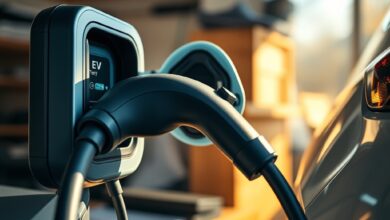
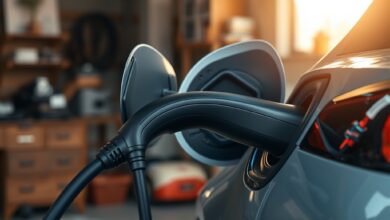
- Clean the charging port to prevent debris buildup that could hinder connection.
- Run a battery health check via the dealer’s diagnostic tool or a trusted third‑party service.
Annual Service Appointment
Schedule a comprehensive service with a certified EV technician at least once a year. The appointment should include:
- Full battery capacity test and thermal management system inspection.
- Motor and inverter coolant flush (if applicable).
- Software version verification and OTA update installation.
- Suspension and steering component inspection.
- Comprehensive brake system service, including fluid replacement.
Cost‑Effective Strategies to Extend EV Longevity
Maintaining an electric car doesn’t have to break the bank. By adopting smart habits, you can keep ownership costs low while preserving performance.
Optimize Your Charging Routine
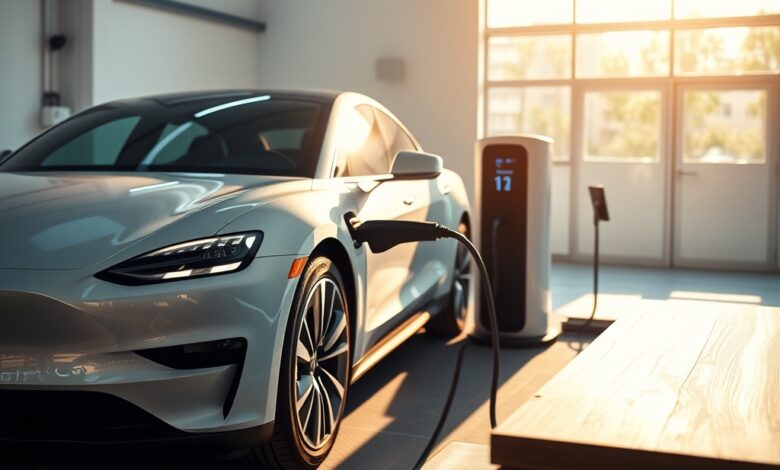
- Use Home Level 2 Chargers: Installing a 240‑V charger at home reduces reliance on public fast‑chargers, saving both money and battery wear.
- Take Advantage of Off‑Peak Rates: Many utilities offer cheaper electricity during nighttime hours—schedule charging to align with these periods.
- Limit Fast‑Charging: Reserve DC fast‑charging for trips exceeding 150 miles. Frequent use can increase battery temperature and accelerate capacity loss.
Mind Your Driving Style
Aggressive acceleration and high speeds drain the battery faster and generate more heat. Adopt a smoother driving style to improve range and reduce stress on the drivetrain.
- Use regenerative braking settings that maximize energy recovery.
- Maintain steady speeds on highways—cruising at 65 mph typically yields the best efficiency.
- Plan routes to avoid steep hills when possible, as climbing consumes extra power.
Maintain Proper Tire Health
Under‑inflated tires increase rolling resistance, cutting range by up to 3 %. Over‑inflated tires reduce traction and wear unevenly. Use a digital tire gauge weekly and rotate tires every 6,000–8,000 miles.
Leverage Warranty Coverage
Most manufacturers provide an 8‑year/100,000‑mile battery warranty. Keep detailed service records and schedule all recommended maintenance to ensure warranty claims are honored if a battery issue arises.
Comparison of Maintenance Costs Across Popular EV Models
Annual Maintenance Expense Overview
| Model | Starting Price | Typical Annual Maintenance Cost | Battery Warranty | Key Maintenance Feature | Best For |
|---|---|---|---|---|---|
| Tesla Model Y | $53,990 | $350–$500 | 8 years/120,000 mi | OTA updates, minimal service intervals | Tech‑savvy commuters |
| Ford Mustang Mach‑E | $44,995 | $450–$600 | 8 years/100,000 mi | Standard service schedule, easy‑access battery | Performance‑oriented families |
| Hyundai Ioniq 5 | $41,450 | $300–$450 | 10 years/100,000 mi | Long warranty, simple cooling system | Value‑focused urban drivers |
Preparing Your EV for Seasonal Changes
Seasonal temperature swings pose unique challenges for electric cars. Adjusting your maintenance routine to match the weather can protect critical components and sustain range.
Winter Readiness
- Pre‑heat the cabin while the car is still plugged in to conserve battery power.
- Switch to “Winter” mode (if available) to optimize heating and battery management.
- Check the 12‑V auxiliary battery; cold weather can reduce its capacity, affecting lights and accessories.
- Use winter tires for improved traction and reduced rolling resistance on snow‑covered roads.
Summer Heat Management
- Park in shaded or covered areas whenever possible to keep the battery pack cooler.
- Activate “Cool‑Down” or “Battery Conditioning” features before long trips.
- Inspect the coolant level in liquid‑cooled systems; replace according to the service schedule.
- Consider a reflective windshield sunshade to lower interior temperature and reduce A/C load.
DIY Maintenance Tasks You Can Safely Perform
Not every service requires a dealer visit. Many routine tasks are simple enough for owners to handle, saving time and money.
Simple Checks You Can Do at Home
- Tire Pressure: Use a reliable gauge and inflate to the recommended PSI.
- Charging Port Cleaning: Wipe the connector with a dry cloth; avoid liquids.
- Cabin Air Filter Replacement: Most EVs use a standard filter that can be swapped in under 10 minutes.
- Software Update Confirmation: Verify the latest firmware version in the vehicle settings menu.
When to Call a Professional
If you encounter any of the following, schedule a service appointment:
- Warning lights related to battery temperature or high‑voltage system.
- Unusual noises from the motor or inverter.
- Significant drop in range (>15 % compared to baseline).
- Visible corrosion on high‑voltage cables or connectors.
Safety First
Always disconnect the high‑voltage system before performing any work that involves electrical components. Consult the owner’s manual for proper lockout procedures, and wear insulated gloves when handling connectors.
Tools Worth Having
- Digital multimeter (for low‑voltage diagnostics).
- Torque wrench (to ensure proper bolt tightening on suspension components).
- Portable OBD‑II scanner with EV support.
- High‑quality tire pressure gauge.
Document Your Maintenance
Keep a digital log—many manufacturers offer apps that track service history. A well‑documented record not only helps you stay on schedule but also boosts resale value.
Future‑Proofing Your EV
As battery technology evolves, retrofitting older EVs with newer software or modular battery packs may become feasible. Stay informed about manufacturer announcements and third‑party upgrades that could extend your vehicle’s useful life.
Key Takeaways
- Regularly monitor battery temperature and adopt smart charging habits.
- Schedule quarterly inspections and an annual service with a certified EV technician.
- Maintain proper tire pressure and rotate tires to preserve range.
- Leverage OTA updates and keep software current.
- Document all maintenance for warranty protection and resale advantage.
Frequently Asked Questions
Is it better to lease or buy an electric car?
Leasing can reduce upfront costs and allow you to upgrade to newer technology every few years, but buying typically offers better long‑term value, especially if you plan to keep the vehicle beyond the warranty period. Consider your driving habits, expected mileage, and how quickly battery technology is advancing when deciding.
How often should I charge my EV to 100 %?
Charging to 100 % should be reserved for occasional long trips. Daily charging up to 80 % helps preserve battery health and reduces heat buildup during the charge cycle.
What is a reasonable mileage expectation for a used electric car?
Most modern electric cars retain 70‑80 % of their original range after 100,000 miles. Look for models with a solid battery warranty and a documented service history to ensure longevity.
Can I use a regular gasoline mechanic for EV maintenance?
While some routine tasks like tire rotations are universal, high‑voltage systems require specialized training. Always choose a technician certified in electric vehicle service for battery, motor, or power‑train work.
Do I need to replace the battery in my EV?
Battery replacement is rarely needed within the warranty period. Most owners will experience gradual capacity loss rather than sudden failure. If capacity drops below 70 % of the original, consult the dealer to explore warranty options or refurbishment programs.