
Why Vintage Cars Captivate Collectors
The allure of vintage cars goes far beyond nostalgic aesthetics; it’s a blend of history, engineering artistry, and the thrill of ownership that few modern vehicles can match. For many enthusiasts, the term vintage cars evokes images of sleek curves, hand‑crafted interiors, and the unmistakable roar of a classic engine. Whether you’re chasing the perfect showroom shine or the raw, unfiltered driving experience of a bygone era, the journey to acquire a vintage automobile is as rewarding as the ride itself. This guide equips you with practical advice, budget strategies, and a curated list of must‑own classics so you can navigate the market with confidence.
Key Criteria When Selecting Vintage Cars
Before you place a bid at an auction or negotiate with a private seller, establish a clear set of criteria. These benchmarks help you avoid costly mistakes and ensure your new acquisition aligns with both your passion and practical needs.
Authenticity and Provenance
- Original VIN, engine numbers, and factory documentation.
- Ownership history that includes reputable collectors or well‑known museums.
- Restoration records that detail parts used—original vs. aftermarket.
Condition Grading
Most vintage markets use a grading scale from “Showroom Condition” to “Project Car.” Know what each grade means for resale value and restoration cost.
- Showroom Condition: Fully restored, matching factory specifications.
- Excellent: Minor wear, all major components functional.
- Good: Visible wear, some parts may need replacement.
- Project: Requires extensive mechanical or cosmetic work.
Market Rarity and Demand
Limited production runs, iconic design cues, and motorsport pedigree can dramatically affect price appreciation. Research auction results and club registries to gauge demand trends.
Top Vintage Cars to Own for Classic Collectors
Below is a curated selection of vintage cars that consistently rank high among collectors for their design, performance, and investment potential. Each model includes a brief overview, typical price range, and the type of collector who will appreciate it most.
Ferrari 250 GTO (1962–1964)
The 250 GTO is the holy grail of vintage automobiles. Its sleek berlinetta body, V12 engine, and limited production of just 36 units make it a centerpiece for any serious collection.
- Performance: 300 hp, 0‑60 mph in 6.1 seconds.
- Typical Price: $48–$70 million (auction records).
- Best For: High‑net‑worth collectors seeking an investment‑grade icon.
Jaguar E-Type Series 1 (1961–1968)
Often hailed as “the most beautiful car ever made,” the E‑Type combines British elegance with a 3.8‑liter inline‑six that delivers 265 hp.
- Performance: 0‑60 mph in 7.4 seconds.
- Typical Price: $80,000–$150,000 depending on condition.
- Best For: Enthusiasts who value style and driving pleasure over raw speed.
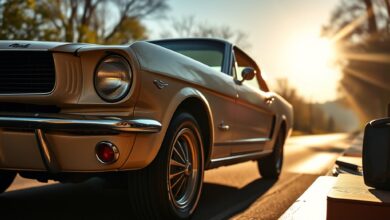
Ford Mustang 1965 “Fastback” (1965–1966)
The 1965 Fastback epitomizes American muscle. Its iconic pony car silhouette and V8 options make it a staple at car shows and a favorite for restoration projects.
- Performance: 225–300 hp depending on engine choice.
- Typical Price: $30,000–$80,000.
- Best For: Collectors who enjoy DIY restoration and a vibrant community.
Mercedes-Benz 300SL Gullwing (1954–1957)
Renowned for its upward‑opening doors and fuel‑injected 3.0‑liter straight‑six, the 300SL blends German engineering with striking design.
- Performance: 215 hp, top speed 161 mph.
- Typical Price: $1.2–$2.5 million.
- Best For: Collectors seeking a blend of rarity, performance, and historic significance.
Porsche 911 Carrera RS 2.7 (1973)
The Carrera RS 2.7 is a lightweight, track‑focused iteration of the 911 lineage, featuring a 210 hp flat‑six and iconic “ducktail” rear spoiler.
- Performance: 0‑60 mph in 6.5 seconds.
- Typical Price: $200,000–$300,000.
- Best For: European collectors who value handling precision and brand heritage.
Chevrolet Corvette Stingray C2 (1963–1967)
The second‑generation Corvette introduced the split‑window coupe and a range of V8 powerplants, establishing its status as America’s sports car.
- Performance: 250–350 hp depending on engine.
- Typical Price: $70,000–$150,000.
- Best For: Fans of American performance with a desire for a versatile weekend cruiser.
Comparison of Iconic Vintage Models
| Model | Starting Price (Typical) | Power / Performance | Rarity | Best For |
|---|---|---|---|---|
| Ferrari 250 GTO | $48 M | 300 hp, 0‑60 mph 6.1 s | Extremely rare (36 built) | High‑net‑worth investors |
| Jaguar E‑Type Series 1 | $80 k | 265 hp, 0‑60 mph 7.4 s | Limited (≈12 k produced) | Style‑focused enthusiasts |
| Ford Mustang Fastback ’65 | $30 k | 225‑300 hp, 0‑60 mph 6‑7 s | Common (≈1 M built) | DIY restorers |
| Mercedes 300SL Gullwing | $1.2 M | 215 hp, top 161 mph | Very rare (≈1 400 built) | Luxury heritage collectors |
| Porsche 911 Carrera RS 2.7 | $200 k | 210 hp, 0‑60 mph 6.5 s | Rare (≈1 200 built) | European performance fans |
| Chevrolet Corvette Stingray C2 | $70 k | 250‑350 hp, 0‑60 mph 5.5‑6 s | Moderately rare (≈500 k built) | American sports car lovers |
Budgeting and Financing Vintage Car Purchases
Acquiring a vintage automobile is rarely a cash‑only transaction. Understanding financing options, insurance nuances, and long‑term cost of ownership is essential for protecting your investment.
Assessing Your Total Cost of Ownership
- Purchase Price: Base price plus auction fees or dealer markup.
- Restoration & Parts: Budget 20‑40 % of the purchase price for a thorough rebuild.
- Insurance: Classic car policies often cost 1‑2 % of the car’s market value annually.
- Storage: Climate‑controlled garages can run $100–$300 per month.
- Maintenance: Expect $2,000–$5,000 per year for routine servicing.
Financing Options for Vintage Vehicles
Traditional auto loans are rarely available for classic cars, but several alternatives exist:
- Specialty Classic Car Loans: Offered by niche lenders, these loans typically require a higher down payment (30‑40 %) and shorter terms (3‑5 years).
- Home Equity Line of Credit (HELOC): Allows you to borrow against home equity, often at lower interest rates.
- Peer‑to‑Peer Lending: Platforms that match collectors with investors seeking a share of future appreciation.
- Dealer Financing: Some classic dealerships have in‑house financing, usually at premium rates.
Leasing vs. Buying Vintage Cars
Leasing is uncommon for vintage models, but a few high‑end collectors’ clubs offer short‑term “lease‑to‑own” programs. Consider buying if you plan to keep the car for more than five years; leasing may only make sense for a limited‑run showcase vehicle.
Maintenance, Restoration, and Legal Considerations
Owning a vintage car is as much about stewardship as it is about enjoyment. Proper maintenance and adherence to legal requirements keep your vehicle road‑legal and preserve its value.
Finding the Right Restoration Shop
- Look for shops with certifications from organizations such as the National Association of Automobile Clubs (NAAC).
- Check past project portfolios; a reputable shop will have before‑and‑after documentation.
- Ask about warranty coverage on labor and parts.
Original Parts vs. Modern Substitutes
Original OEM components retain value but may be scarce. Modern substitutes—such as upgraded brakes or electronic fuel injection—can improve reliability without sacrificing authenticity if documented properly.
Legal Documentation and Emissions
Many jurisdictions require vintage cars to meet specific emissions standards or obtain “historic vehicle” plates. Research your state’s Department of Motor Vehicles (DMV) guidelines early to avoid registration delays.
Insurance Tips for Classic Collectors
- Choose a policy that offers agreed‑value coverage rather than market value.
- Inquire about mileage limits; many classic policies cap annual mileage at 2,500–5,000 miles.
- Consider a “garage‑keep” policy if the car will spend most of its time off‑road.
Future Trends Shaping the Vintage Car Market
The classic car market is evolving alongside technology and cultural shifts. Staying ahead of these trends can help you make smarter buying decisions.
Electrification of Vintage Models
Several boutique firms now offer electric conversion kits for iconic models like the Volkswagen Beetle and Porsche 911. While conversions can boost drivability and lower emissions, they may affect originality and resale value. Collectors should weigh the trade‑off between modern performance and historic authenticity.