
Why the 2024 Tesla Lineup Matters to Luxury EV Enthusiasts
The automotive world is accelerating toward electrification, and the excitement is palpable for anyone who craves performance, cutting‑edge tech, and a touch of futurism. For luxury EV enthusiasts, Tesla buying has become synonymous with accessing a brand that consistently redefines what a premium car can do. Whether you’re drawn by the whisper‑quiet acceleration of a Model S Plaid or the sleek minimalism of the Model 3, the 2024 Tesla range offers a compelling mix of range, technology, and status.
In this guide, we’ll walk you through every practical step of the Tesla buying journey—from pinpointing the model that fits your lifestyle to mastering financing options that protect your wallet. By the end, you’ll have a clear roadmap to secure the perfect Tesla for 2024 and enjoy the luxury EV experience you deserve.
Understanding the 2024 Tesla Model Range
Before you dive into any purchase, it’s essential to know exactly what each model brings to the table. Tesla’s 2024 lineup consists of four core models, each catering to distinct preferences and use cases.
Model S Plaid – The Ultimate Performance Sedan
The Model S Plaid remains the benchmark for electric performance. With a 0‑60 mph time under 2 seconds, a top speed of 200 mph, and an EPA‑rated range of up to 405 miles, it blends blistering speed with everyday usability.
Model 3 – The Affordable Luxury Compact
The Model 3 continues to dominate the premium compact segment. Its dual‑motor Long‑Range version offers up to 358 miles of range, a refined interior, and a price point that makes luxury more accessible.
Model X – The Premium Electric SUV
For families or those needing extra cargo space, the Model X delivers soaring Falcon Wing doors, up to 340 miles of range, and seating for up to seven passengers. Its all‑wheel‑drive system ensures confidence in all weather conditions.
Model Y – The Versatile Crossover
The Model Y bridges the gap between the Model 3 and Model X. It offers a spacious cabin, optional third‑row seating, and a range of up to 330 miles, making it a practical yet stylish choice for daily commuting.
Special Editions and Performance Packages
- Performance Upgrade Packages – Boost acceleration and handling for Model 3 and Model Y.
- Premium Interior Packages – Adds vegan leather, upgraded sound system, and ambient lighting.
- Full Self‑Driving (FSD) Subscription – Access to the latest autonomous driving features for a monthly fee.
Key Considerations for Tesla Buying in 2024
Choosing the right Tesla isn’t just about specs; it’s about aligning the vehicle with your lifestyle, budget, and long‑term goals. Below are the top factors to evaluate during your Tesla buying process.
1. Real‑World Range vs. EPA Estimates
EPA ratings provide a useful baseline, but real‑world range can vary based on driving style, climate, and terrain. Consider the following when estimating your daily needs:
- Urban commuting (short trips, frequent stops) – Expect 10‑15% less range.
- Highway cruising – Range may be within 5% of EPA numbers.
- Cold weather – Battery efficiency can drop 20‑30%.
For most luxury EV buyers, a minimum of 300 miles of EPA range offers a comfortable buffer.
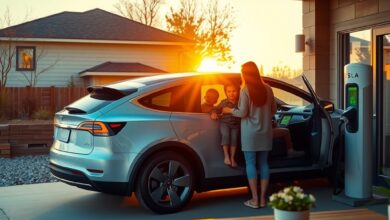
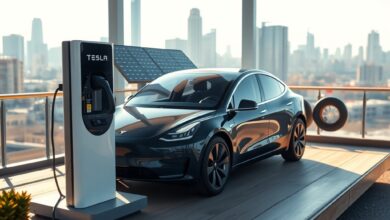
2. Charging Infrastructure and Home Setup
Even the best Tesla won’t serve you well if you can’t charge it conveniently. Evaluate these points:
- Home Charging – Install a 48‑amp Wall Connector for up to 44 miles of range per hour.
- Supercharger Access – Tesla’s extensive network provides 250 kW fast charging; confirm station locations along your typical routes.
- Destination Chargers – Hotels, restaurants, and workplaces often offer Level 2 chargers for overnight top‑ups.
3. Performance Needs vs. Comfort
While the Plaid’s raw acceleration is thrilling, many luxury buyers prioritize a smooth, quiet ride and a refined interior. Test drive each model to feel the difference between:
- Adaptive air suspension (Model S and Model X) – Enhances ride comfort and handling.
- Standard suspension (Model 3 and Model Y) – Offers a sportier feel with slightly firmer damping.
4. Technology and Software Updates
All Teslas receive over‑the‑air updates that can add new features or improve existing ones. When Tesla buying in 2024, ask about:
- Full Self‑Driving (FSD) beta – Availability and subscription costs.
- Infotainment upgrades – New gaming, streaming, and navigation enhancements.
- Battery management software – Optimizations that can extend long‑term range.
5. Resale Value and Depreciation
Historically, Teslas hold their value better than many ICE counterparts. However, market dynamics shift. Keep these tips in mind:
- Maintain a clean Service History – Document all software updates and maintenance.
- Preserve battery health – Avoid frequent deep discharges and keep the battery between 20‑80% when possible.
- Consider Certified Pre‑Owned (CPO) programs – They often include extended warranties and thorough inspections.
6. Incentives and Tax Credits
Federal and state incentives can reduce the effective purchase price dramatically. In 2024, eligible buyers may still qualify for:
- Federal EV tax credit up to $7,500 (subject to manufacturer caps).
- State rebates ranging from $1,500 to $5,000.
- Utility company incentives for home charger installation.
Check your local regulations early, as some programs are first‑come, first‑served.
Financing and Lease Options for Tesla Buying
Luxury EV enthusiasts often grapple with the decision to lease or finance. Both routes have distinct advantages, and the right choice depends on your driving habits, cash flow, and desire for the latest technology.
Leasing a Tesla – When It Makes Sense
Leasing is ideal if you prefer to upgrade every few years and want lower monthly payments. Key benefits include:
- Lower upfront cost – Typically 10‑15% of the vehicle’s price.
- Access to the latest tech – Lease terms often align with the release of new software features.
- Predictable expenses – Fixed payments and warranty coverage for the lease duration.
Watch out for mileage limits (usually 10,000‑15,000 miles per year) and excess wear fees, which can erode the savings if you exceed them.
Financing a Tesla – When It Pays Off
If you plan to keep the vehicle for 5‑7 years or more, financing can be more cost‑effective. Consider these points:
- Interest rates – Shop around for rates below 4% to maximize savings.
- Down payment – A 20% down payment reduces monthly payments and interest.
- Loan term – Shorter terms (36‑48 months) lower total interest paid.
Financing also lets you benefit from any future resale value, which can be substantial for high‑demand models like the Model S Plaid.
Comparison of Financing vs. Leasing for Tesla Buying
| Option | Typical Down Payment | Monthly Cost | Mileage Limits | Ownership at End | Best For |
|---|---|---|---|---|---|
| Lease | 10‑15% of MSRP | Lower (often $500‑$800) | 10,000‑15,000 miles/yr | No – return vehicle | Drivers who want the newest tech every 2‑3 years |
| Finance | 20%+ of MSRP | Higher (often $700‑$1,200)Unlimited | Yes – you own it | Long‑term owners who value equity and lower total cost |
Special Financing Programs
Tesla offers its own financing arm with competitive rates, but don’t overlook:
- Credit unions – Often provide lower APRs for members.
- Bank auto loans – May offer promotional rates for EV purchases.
- Manufacturer incentives – Occasionally, Tesla runs “Zero‑Percent Financing” promotions.
Future‑Proofing Your Tesla Investment
Buying a Tesla in 2024 isn’t just about the present; it’s a strategic move for the next decade of mobility. Here’s how to ensure your purchase stays relevant as technology evolves.
Battery Health Management
Battery longevity is the cornerstone of EV ownership. Adopt these best practices:
- Use “Scheduled Charging” to limit daily charge to 80% unless a long trip is planned.
- Avoid frequent fast charging unless necessary; prefer Level 2 home charging for routine top‑ups.
- Keep the cabin temperature moderate – extreme heat or cold can stress the battery.
Software Subscription Strategy
Tesla’s subscription model for features like Full Self‑Driving (FSD) and Premium Connectivity can affect long‑term costs. Evaluate:
- FSD – If you anticipate using autonomous features extensively, purchasing the feature outright may be cheaper than a monthly subscription over several years.
- Premium Connectivity – Consider whether you already have a reliable data plan; the subscription may be redundant.
Preparing for the Next Generation of EVs
As other manufacturers roll out solid‑state batteries and higher‑density packs, your Tesla can still stay competitive by:
- Keeping the software updated – Over‑the‑air updates improve efficiency and add new capabilities.
- Utilizing aftermarket accessories – Upgraded wheels, performance tires, and interior trim can refresh the vehicle’s look.
- Participating in Tesla’s “Vehicle Refresh” programs – Occasionally, Tesla offers retrofits for older models (e.g., new battery modules or interior upgrades).
Insurance and Maintenance Savings
Premium EVs often qualify for lower insurance rates when equipped with advanced safety features. Ask your insurer about:
- Usage‑Based Insurance (UBI) – Discounts for low mileage or safe driving habits.
- EV‑Specific Policies – Coverage that includes battery replacement and specialized repairs.
Maintenance on Teslas is minimal compared to ICE cars, but regular tire rotations, brake fluid checks, and cabin filter replacements are still essential to preserve performance and resale value.
Putting It All Together: Your Step‑by‑Step Tesla Buying Checklist
Having covered the models, financing, and future considerations, here’s a concise checklist to guide you through the entire Tesla buying