
Why Families Are Turning to Electric SUVs
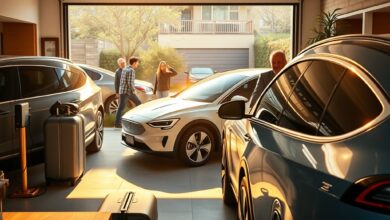
The automotive landscape is undergoing a rapid electrification, and families are at the forefront of this shift. Electric SUVs combine the practicality of a traditional sport‑utility vehicle with the zero‑emission benefits of a battery‑powered drivetrain. Parents appreciate the spacious cabins, higher driving position, and the peace of mind that comes from lower operating costs and fewer moving parts.
Beyond the environmental appeal, electric SUVs offer instant torque that makes highway merging and city driving smoother for kids in the back seat. With many governments rolling out generous rebates, the total cost of ownership is becoming competitive with gasoline‑powered rivals, making the decision to go electric easier than ever.
Key Criteria for Choosing an Electric SUV
When evaluating family‑friendly electric SUVs, it’s essential to balance performance, practicality, and budget. Below are the top factors to consider before you sign the purchase agreement.
Range and Real‑World Driving Needs
- Look for an EPA‑rated range of at least 250 miles to cover weekend trips without frequent charging.
- Consider your typical daily commute and the availability of fast‑charging stations along your routes.
- Remember that cold weather and heavy loads can reduce range by 10‑20%.
Seating Capacity and Flexibility
- Three‑row configurations provide room for eight passengers, but may sacrifice cargo space.
- Second‑row captain’s chairs improve comfort for older children and make third‑row access easier.
- Fold‑flat seats are a must for families that need to transport sports gear, strollers, or pet carriers.
Safety Technology
- Look for standard advanced driver‑assistance systems (ADAS) such as automatic emergency braking, lane‑keeping assist, and blind‑spot monitoring.
- Check crash‑test ratings from NHTSA and IIHS; many electric SUVs achieve “Top Safety Pick+”.
- Child‑seat anchor points (LATCH) should be easy to reach in both the second and third rows.
Charging Infrastructure and Home Setup
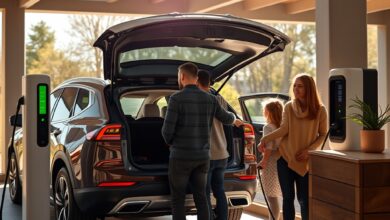
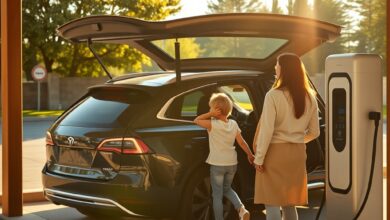
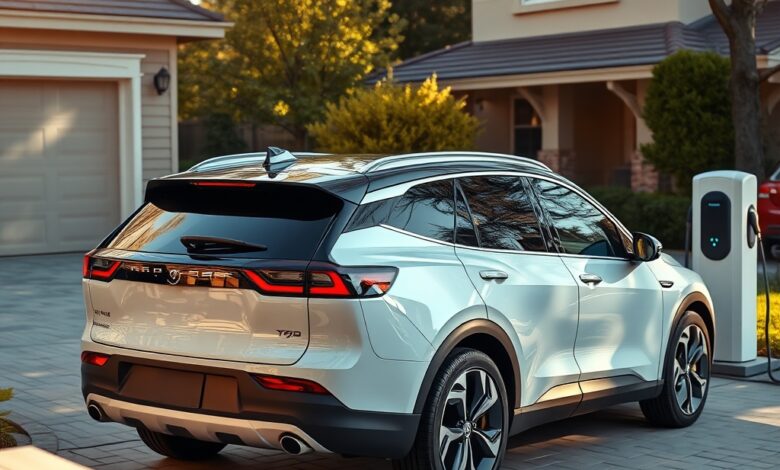
- A Level 2 home charger (240 V) reduces daily charging time to 4‑6 hours.
- Evaluate the availability of DC fast chargers (150 kW or higher) on your most common routes.
- Some manufacturers offer free public charging for a limited period – factor this into your total cost calculation.
Top Electric SUVs for Families in 2024
After extensive test drives, data analysis, and owner feedback, we’ve narrowed the field to the most capable family‑focused electric SUVs on the market today.
Comparison of 2024 Electric SUVs for Families
| Model | Starting Price | EPA Range | Seating Capacity | Cargo Space (ft³) | Notable Feature |
|---|---|---|---|---|---|
| Tesla Model Y | $58,990 | 330 miles | 7 | 68 (all‑seats‑down) | Extensive Supercharger network |
| Ford Mustang Mach‑E 4‑Row | $55,500 | 285 miles | 7 | 62 | Co‑pilot 360™ driver assistance |
| Volkswagen ID.4 AWD Pro | $48,995 | 260 miles | 5 | 64 | Integrated infotainment with family profiles |
| Hyundai Ioniq 5 XL | $53,200 | 300 miles | 7 | 66 | 800‑V ultra‑fast charging (10%–80% in 18 min) |
| Kia EV6 XL | $54,750 | 310 miles | 7 | 65 | Augmented reality head‑up display |
| Volvo XC40 Recharge | $61,300 | 223 miles | 5 | 57 | Scandinavian safety suite |
In‑Depth Look at Each Model
Tesla Model Y remains the benchmark for range and software updates. Its optional third‑row is best suited for younger children due to limited legroom, but the cargo capacity when seats are folded is unrivaled. Tesla’s over‑the‑air updates continually improve battery efficiency and add new family‑friendly features such as “Family Mode” which limits speed and provides real‑time location alerts.
Ford Mustang Mach‑E 4‑Row offers a sportier driving feel while still delivering a usable 285‑mile range. The interior includes a large 15.5‑inch touchscreen that supports multiple user profiles, making it easy for each family member to access personalized music and navigation settings.
Volkswagen ID.4 AWD Pro stands out for its straightforward cabin layout and generous rear‑seat legroom. Although its range is modest compared to rivals, the ID.4’s low price point and generous warranty (8‑year/100,000‑mile battery) make it a solid entry‑level choice for budget‑conscious families.
Hyundai Ioniq 5 XL combines futuristic styling with practical interior space. The 800‑V architecture means you can add up to 80 % of the battery in under 20 minutes at a compatible fast charger – a game‑changer for long road trips with kids.
Kia EV6 XL shares the Ioniq 5’s platform but adds a more driver‑focused cockpit and an optional “Family Safety Package” that includes rear‑cross‑traffic alert and a rear‑seat reminder to prevent child‑forgetting incidents.
Volvo XC40 Recharge may have the shortest range, but its reputation for safety and the inclusion of a built-in child‑seat reminder system make it attractive for families that prioritize protection over pure mileage.
Financing and Incentives for Electric SUVs
Purchasing an electric SUV often involves a different financial calculus than buying a conventional vehicle. Understanding the available incentives and financing structures can save you thousands of dollars.
Federal and State Tax Credits
- As of 2024, the federal EV tax credit offers up to $7,500 for qualifying models, but the amount phases out once a manufacturer reaches 200,000 units sold.
- Many states provide additional rebates ranging from $1,000 to $5,000, plus reduced registration fees.
- Check your state’s Department of Motor Vehicles website for the latest eligibility criteria.
Leasing vs. Buying
Leasing an electric SUV can be attractive because it typically includes a maintenance package and allows you to upgrade to newer technology every 2‑3 years. However, be aware of mileage caps—exceeding them can result in costly penalties, especially for families who log many road trips.
Buying, especially with a low‑interest loan, can be more cost‑effective over a 5‑year horizon. Many manufacturers now offer 0 % APR financing for qualified buyers, and some credit unions provide special rates for EV purchases.
Calculating Total Cost of Ownership (TCO)
- Factor in fuel savings: an electric SUV typically costs $0.12 per kWh versus $3.50 per gallon for gasoline.
- Include maintenance: EVs have fewer moving parts, reducing routine service costs by up to 40 %.
- Account for depreciation: electric SUVs hold value well, especially models with strong brand loyalty and OTA updates.
Practical Tips for First‑Time Electric SUV Owners
Transitioning to an electric SUV may feel daunting, but a few simple habits can make the experience seamless for the whole family.
Plan Your Charging Routine
- Install a Level 2 home charger before the vehicle arrives; most electricians can complete the job in a half‑day.
- Set a nightly charging schedule to take advantage of off‑peak electricity rates.
- Use smartphone apps to locate nearby fast chargers and monitor charging progress while on the road.
Optimize Cargo Management
- Invest in modular storage bins that fit the SUV’s floor space; they keep toys, groceries, and sports equipment organized.
- Consider a roof‑rack or a rear‑door cargo net for extra bulk items—just remember that aerodynamic drag may slightly reduce range.
Teach Kids About EV Etiquette
- Explain the importance of conserving range by limiting unnecessary AC usage and heavy acceleration.
- Show them how to use the vehicle’s “Eco Mode” to extend battery life on longer trips.
- Encourage them to monitor the vehicle’s energy consumption display; it’s a great learning tool for sustainability.
Future Trends Shaping the Family Electric SUV Market
The next few years will bring innovations that further align electric SUVs with family needs.
Longer‑Range Batteries
Automakers are adopting nickel‑cobalt‑manganese (NCM) chemistries that promise 400‑plus miles per charge, reducing range anxiety for cross‑country vacations.
Integrated Solar Roofs
Some upcoming models feature solar panels that can add 10‑15 miles of range per day—perfect for families who park their SUV outdoors for extended periods.
Advanced Driver‑Assistance for Kids
Future ADAS suites will include interior cameras that detect whether a child is unbuckled or left in the back seat, sending alerts to the driver’s smartphone.
Vehicle‑to‑Home (V2H) Power Sharing
With V2H technology, your electric SUV can power a home during outages, providing an extra layer of security for families living in regions prone to storms.
Subscription Services
Automakers are experimenting with subscription models that bundle the vehicle, insurance, maintenance, and charging into a single monthly fee—an attractive option for families who prefer predictable budgeting.
Conclusion
Choosing the right electric SUV for your family in 2024 involves balancing range, space, safety, and cost. By focusing on the criteria outlined above, leveraging available incentives, and staying informed about emerging technologies, you can make a confident purchase that serves your household for years to come.
Frequently Asked Questions
Is it better to lease or buy an electric SUV for a growing family?
Leasing offers lower monthly payments and the ability to upgrade every few years, which is useful if you anticipate changing family needs. Buying, however, provides long‑term savings, especially when you plan to keep the vehicle beyond the typical lease term and benefit from lower maintenance costs.
How much does charging at home cost compared to fueling a gasoline SUV?
Home charging typically costs $0.12‑$0.15 per kWh. For a 75‑kWh battery, a full charge is about $9‑$11, delivering roughly 250‑300 miles. By contrast, a gasoline SUV averaging 20 MPG would require about 12‑13 gallons for the same distance, costing $42‑$45 at $3.50 per gallon.
What range should I expect in real‑world driving for a 2024 electric SUV?
Real‑world range is usually 10‑15 % lower than EPA estimates, especially in cold climates or when carrying a full passenger load. Planning for a 250‑mile EPA rating typically yields about 215‑225 miles of usable range under mixed conditions.