
Why Electric SUVs Are the Smart Choice for Modern Families
The automotive world is undergoing a rapid electrification, and families are at the forefront of this shift. Electric SUVs combine the practicality of a spacious crossover with the zero‑emission benefits of a battery‑powered drivetrain, making them an ideal solution for parents who need room for car seats, gear, and weekend adventures while staying eco‑friendly. As charging networks expand and federal incentives improve, the cost gap between traditional gasoline SUVs and their electric counterparts continues to shrink, turning the dream of a clean, family‑friendly vehicle into an attainable reality.
In this guide, we’ll explore the 2024 lineup of the best electric SUVs for families ready to upgrade, break down the most important buying criteria, and provide actionable tips to help you navigate financing, incentives, and long‑term ownership.
Essential Criteria When Evaluating Electric SUVs for Families
Range and Real‑World Driving Needs
Range anxiety remains a top concern for many buyers, but today’s electric SUVs offer more than enough mileage for typical family use. Look for a minimum EPA‑rated range of 250 miles to comfortably cover daily school runs, grocery trips, and occasional road trips without frequent charging stops.
- Consider your average weekly mileage and add a 20% buffer for unexpected trips.
- Check whether the vehicle supports fast‑charging (DC CCS) to recover 80% of charge in under 30 minutes.
- Evaluate the availability of Level 2 home chargers in your neighborhood.
Interior Space and Versatility
Families need flexible seating, ample cargo capacity, and easy access for child seats. Prioritize models with a 2‑row layout that offers at least 35 cubic feet of cargo space behind the second row and a flat load floor when seats are folded.
- Sliding second‑row seats improve legroom for rear passengers.
- Fold‑flat rear seats maximize space for strollers, sports equipment, or luggage.
- Integrated USB‑C ports and rear‑seat entertainment options add convenience on longer trips.
Safety Features and Ratings
Safety is non‑negotiable for family vehicles. Look for electric SUVs that have earned top marks from the NHTSA and IIHS, and that include advanced driver‑assist systems (ADAS) such as adaptive cruise control, lane‑keeping assist, and automatic emergency braking.
- Five‑star NHTSA ratings indicate strong crash protection.
- IIHS “Top Safety Pick+” designation reflects superior crash avoidance technology.
- Family‑focused features like rear‑cross‑traffic alert and blind‑spot monitoring enhance peace of mind.
Pricing, Incentives, and Total Cost of Ownership
While the sticker price of an electric SUV can be higher than a comparable gasoline model, federal tax credits (up to $7,500), state rebates, and lower fuel and maintenance costs often result in a lower total cost of ownership over five years.
- Calculate the net price after applying federal and local incentives.
- Factor in projected electricity costs versus gasoline.
- Include anticipated maintenance savings—no oil changes, fewer moving parts.
2024’s Top Electric SUVs for Families
After extensive test drives, data analysis, and owner feedback, we’ve identified five electric SUVs that excel in range, space, safety, and value for families.
1. Tesla Model Y
The Model Y remains a benchmark for performance and technology. With a starting range of 330 miles, a spacious 68‑cubic‑foot cargo area (with rear seats folded), and Tesla’s renowned Autopilot suite, it offers both practicality and cutting‑edge convenience.
- Starting price: $58,990
- Key family feature: Optional third‑row seats for up to seven passengers.
- Pros: Fast charging network, over‑the‑air updates, high resale value.
- Best for: Tech‑savvy families who travel frequently.
2. Ford Mustang Mach‑E (Extended Range)
The Mach‑E blends iconic branding with modern electric performance. The extended‑range version delivers 311 miles of EPA‑rated range, a roomy 59‑cubic‑foot cargo space, and a suite of Ford Co‑Pilot Assist safety technologies.
- Starting price: $55,495
- Key family feature: Dual‑mount 12‑inch infotainment screens with Apple CarPlay and Android Auto.
- Pros: Competitive pricing, strong warranty, widely available service network.
- Best for: Families seeking a blend of style and practicality.
3. Hyundai Ioniq 5 (Long‑Range)
The Ioniq 5’s futuristic design hides a spacious interior that rivals many traditional SUVs. Its long‑range variant offers 303 miles, 59.3 cubic feet of cargo space, and an 800‑volt architecture that enables 80% charging in just 18 minutes.
- Starting price: $52,500
- Key family feature: Adjustable rear seats with a flat floor for easy loading.
- Pros: Rapid charging, generous warranty (10‑year/100,000‑mile battery), user‑friendly tech.
- Best for: Families prioritizing fast charging and long warranty coverage.
4. Kia EV6 (GT-Line)
The EV6 delivers a compelling mix of performance and practicality. With a 310‑mile range, 58.5 cubic feet of cargo capacity, and an intuitive infotainment system, it’s a strong contender for families who value both speed and comfort.
- Starting price: $53,990
- Key family feature: Sliding rear seats for easy access to the third row (optional).
- Pros: Sporty handling, 800‑volt fast‑charging, attractive interior materials.
- Best for: Active families who enjoy weekend getaways.
5. Volkswagen ID.4 (Pro S)
The ID.4 offers a balanced approach with a 275‑mile range, a comfortable cabin, and a reputation for reliability. Its straightforward design and generous standard safety suite make it an appealing choice for budget‑conscious families.
- Starting price: $46,995
- Key family feature: Easy‑to‑use rear‑seat reminder system.
- Pros: Competitive price, solid build quality, extensive dealer network.
- Best for: Families looking for an affordable, dependable electric SUV.
Comparison of 2024 Electric SUVs for Families
Key Specifications at a Glance
| Model | Starting Price | EPA Range | Cargo Space (ft³) | Safety Rating | Best For |
|---|---|---|---|---|---|
| Tesla Model Y | $58,990 | 330 miles | 68 (seats folded) | 5‑star NHTSA, IIHS Top Safety Pick+ | Tech‑savvy commuters |
| Ford Mustang Mach‑E (Extended) | $55,495 | 311 miles | 59 | 5‑star NHTSA, IIHS Top Safety Pick+ | Stylish families |
| Hyundai Ioniq 5 (Long‑Range) | $52,500 | 303 miles | 59.3 | 5‑star NHTSA, IIHS Top Safety Pick+ | Fast‑charging enthusiasts |
| Kia EV6 (GT‑Line) | $53,990 | 310 miles | 58.5 | 5‑star NHTSA, IIHS Top Safety Pick+ | Active weekenders |
| Volkswagen ID.4 (Pro S) | $46,995 | 275 miles | 57.2 | 5‑star NHTSA, IIHS Top Safety Pick | Budget‑focused families |
Financing, Incentives, and Practical Buying Tips
Leasing vs. Buying an Electric SUV
Both leasing and buying have distinct advantages for families. Leasing often provides lower monthly payments and the ability to upgrade to newer technology every 3‑4 years, while buying builds equity and eliminates mileage restrictions.
- Leasing: Ideal for families who want to stay current with battery improvements and enjoy predictable costs.
- Buying: Better for long‑term owners who plan to keep the vehicle for 7‑10 years and benefit from lower total cost of ownership.
When comparing options, use a simple spreadsheet to calculate total out‑of‑pocket costs, including down payment, monthly payments, taxes, incentives, and projected resale value.
Maximizing Federal and State Incentives
In 2024, the federal tax credit of up to $7,500 still applies to qualifying electric SUVs, but income caps and vehicle price limits must be observed. Many states add additional rebates ranging from $1,500 to $5,000.
- Check the U.S. Department of Energy’s incentive database for the latest eligibility criteria.
- Some manufacturers offer dealer‑direct cash incentives that can be combined with federal credits.
- Consider timing your purchase near the end of the quarter when dealers may be more motivated to meet sales targets.
Home Charging Solutions for Families
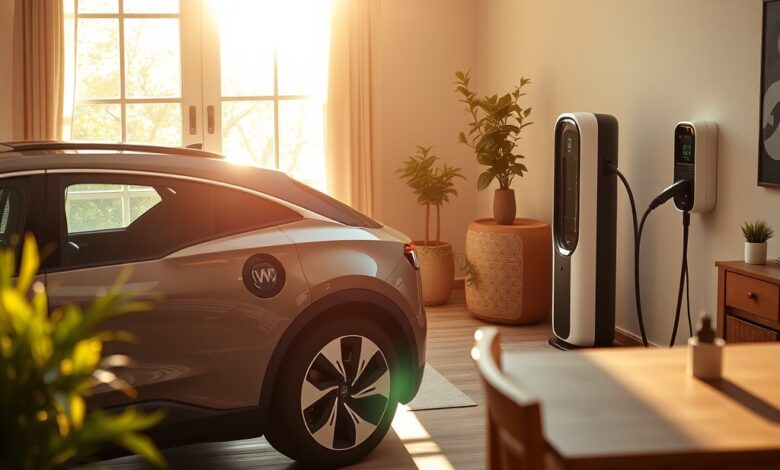
Installing a Level 2 (240 V) charger in your garage or driveway is the most convenient way to keep your electric SUV ready for daily use. A 40‑amp charger typically adds 25–30 miles of range per hour, allowing an overnight full charge.
- Explore local utility rebates for residential charger installations.
- Choose a charger with Wi‑Fi connectivity for remote monitoring and scheduling.
- Ensure your home’s electrical panel can support the added load; a licensed electrician can verify this.
Resale Value and Battery Health
Battery degradation is a key concern for families planning to keep an electric SUV for many years. Most manufacturers offer an 8‑year/100,000‑mile battery warranty, which protects against significant capacity loss.
- Monitor battery health through the vehicle’s onboard diagnostics or manufacturer apps.
- Maintain a regular charging routine—avoid keeping the battery at 100% for extended periods unless needed for a long trip.
- When it’s time to sell, highlight the remaining warranty and any recent software updates to boost resale value.
Future Trends Shaping the Family Electric SUV Segment
As automakers refine battery chemistry and scale production, the next generation of electric SUVs will become even more family‑friendly.
- Longer Ranges: Solid‑state batteries promise 400‑plus miles of range by the early 2030s.
- Integrated Solar Roofs: Emerging solar‑panel roofs can add a few extra miles per day, reducing grid dependency.
- Advanced ADAS: Level 3 autonomous driving features will soon enable hands‑free highway cruising, easing driver fatigue on long trips.
- Modular Interiors: Future designs may feature interchangeable seating modules, allowing families to switch between passenger and cargo configurations in minutes.
Staying informed about these developments will help families make purchase decisions that remain relevant as technology evolves.