
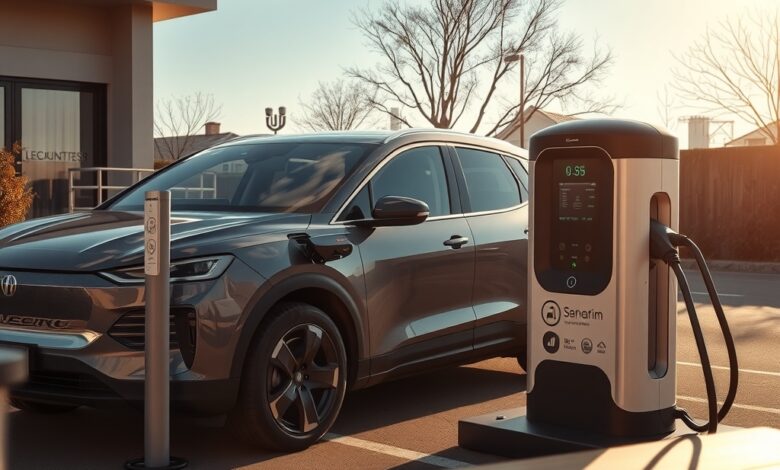
Why Electric SUVs Are Redefining Family Transportation
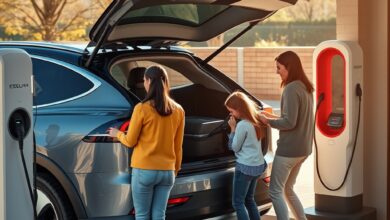
The automotive world is in the midst of a quiet revolution, and families are at the forefront of the change. With climate concerns rising and governments rolling out generous incentives, the shift toward electric mobility has never been more compelling. For parents who need space, safety, and versatility, electric SUVs combine the practicality of a traditional family hauler with the clean‑energy benefits of an EV. In this guide, we’ll explore why electric SUVs are becoming the go‑to choice for modern households and what you should look for before making a purchase.
Key Considerations When Choosing an Electric SUV for a Family
Buying a family vehicle is never just about price tags; it’s about matching lifestyle demands with technology that can keep up. Below are the essential factors that separate a good electric SUV from a great one.
Range and Real‑World Driving Needs
- Daily Commutes: Most families travel 30–50 miles per day. A minimum of 250 miles of EPA‑rated range ensures you won’t need to recharge after school runs or grocery trips.
- Weekend Getaways: For longer trips, look for models offering 300+ miles and fast‑charging capabilities (80% charge in under 30 minutes).
- Cold Weather Impact: Battery efficiency drops in low temperatures. Choose a vehicle with thermal management systems that mitigate range loss in winter.
Space, Seating, and Cargo Flexibility
- Three‑row seating is a must for larger families; ensure the third row is legroom‑friendly for children.
- Flat floor designs, often a result of the skateboard chassis, provide generous cargo volume even with all seats up.
- Split‑folding rear seats and a low loading height make loading strollers and sports gear effortless.
Safety Tech and Child‑Seat Compatibility
- Look for advanced driver‑assistance systems (ADAS) such as automatic emergency braking, lane‑keeping assist, and blind‑spot monitoring.
- Check LATCH anchor availability in the second‑row seats and the ease of installing rear‑facing car seats.
- High safety ratings from NHTSA and IIHS are non‑negotiable for family vehicles.
Total Cost of Ownership
- While the sticker price of electric SUVs can be higher, lower fuel costs, reduced maintenance, and tax credits often result in a lower TCO over five years.
- Consider the cost of home charging equipment (typically $500–$1,200) and any potential upgrades to your electrical panel.
- Insurance premiums may be higher for newer EV models; obtain quotes before finalizing your decision.
Top Electric SUVs to Buy in 2024
2024 has introduced several compelling electric SUVs that balance range, space, and technology. Below is a concise overview of the most family‑friendly options on the market.
2024 Tesla Model Y
The Model Y continues to dominate the electric SUV segment with a sleek design, industry‑leading range, and a robust Supercharger network. Its optional third‑row seats accommodate up to seven passengers, though the rear seats are best suited for children. Over‑the‑air updates keep the infotainment system fresh, and the minimalist interior reduces clutter.
2024 Kia EV6 (SUV Variant)
Kia’s EV6 offers a striking crossover silhouette and a spacious cabin that feels larger than its dimensions suggest. With a 310‑mile range on the extended‑range battery and an 80% charge in just 18 minutes using a 350 kW DC fast charger, it’s perfect for families on the go. The interior features a 12.3‑inch digital cluster and a family‑friendly suite of safety tech.
2024 Hyundai Ioniq 5
The Ioniq 5 combines retro‑futuristic styling with a flat floor that maximizes interior room. Its 300‑mile range and 80% fast‑charge capability (under 20 minutes) make it a practical daily driver. Sliding rear doors on the concept version are expected for the 2025 model, but the current version still offers generous rear‑seat legroom and a sliding second‑row bench for flexible cargo.
2024 Ford Mustang Mach‑E
Ford’s Mach‑E brings a performance‑oriented vibe to the family SUV market. The extended‑range version delivers 300 miles, and the “GT” trim adds all‑wheel drive for better traction in snow. Inside, the 15.5‑inch touchscreen integrates with Android Auto and Apple CarPlay, while the spacious rear seat makes it a viable option for teen passengers.
2024 Volkswagen ID.4
The ID.4 is Volkswagen’s answer to the affordable family electric SUV. With a 260‑mile range and a comfortable, well‑insulated cabin, it prioritizes ride quality over outright performance. Standard safety features include adaptive cruise control and a rear‑view camera, making it a solid choice for budget‑conscious families.
Comparison of 2024 Electric SUVs for Families
| Model | Starting Price | EPA Range | Seating Capacity | Fast‑Charge (80%) | Key Family Feature |
|---|---|---|---|---|---|
| Tesla Model Y | $54,990 | 330 miles | 5–7 (optional) | 15 minutes (250 kW) | Extensive Supercharger network |
| Kia EV6 | $48,500 | 310 miles | 5 | 18 minutes (350 kW) | Spacious cabin, high‑speed charging |
| Hyundai Ioniq 5 | $49,990 | 300 miles | 5 | 20 minutes (350 kW) | Flat floor, sliding second‑row bench |
| Ford Mustang Mach‑E | $52,300 | 300 miles | 5 | 22 minutes (150 kW) | Sporty handling, roomy rear seat |
| Volkswagen ID.4 | $38,990 | 260 miles | 5 | 30 minutes (125 kW) | Affordability, comfortable ride |
Financing and Incentives: Getting the Best Deal on an Electric SUV
Even with attractive federal tax credits, the upfront cost of an electric SUV can still be a hurdle. Understanding financing options and available incentives can dramatically lower your out‑of‑pocket expense.
Leasing vs. Buying for Families
- Leasing: Lower monthly payments and the ability to upgrade to newer technology every 2–3 years. Ideal for families who anticipate changing needs or want to avoid long‑term battery degradation concerns.
- Buying: Higher monthly payments but eventual ownership, which can be beneficial for families planning to keep the vehicle for 8+ years. Ownership also unlocks the ability to sell the car privately, potentially recouping a portion of the investment.
- Hybrid Approach: Some manufacturers offer “lease‑to‑own” programs that let you transition from a lease to a purchase after a set period, offering flexibility for growing families.
Federal, State, and Local Incentives
In 2024, the federal Clean Vehicle Credit provides up to $7,500 for qualifying electric SUVs, subject to income caps and vehicle price limits. Many states add their own rebates—California’s Clean Vehicle Rebate Project (CVRP) offers up to $2,000, while New York’s Drive Clean Rebate can add another $2,000. Check local utility companies for additional incentives such as reduced electricity rates for home charging.
Charging Infrastructure Costs
- Home Charger: A Level 2 (240 V) charger typically costs $500–$1,200 plus installation. Some automakers provide complimentary installation vouchers.
- Public Charging: Subscription services like Electrify America Unlimited or ChargePoint Pass can lower per‑kWh costs, especially useful for families who travel frequently.
- Future Proofing: If you anticipate adding more EVs (e.g., a second family car), consider installing a 2‑port charger now to avoid later upgrades.
Future Trends Shaping the Electric SUV Segment
The electric SUV market is evolving rapidly. Keeping an eye on upcoming developments can help families make a purchase that stays relevant for years to come.
Longer Ranges and Faster Charging
Battery chemistry breakthroughs, such as nickel‑cobalt‑manganese‑aluminum (NCM‑811) and solid‑state designs, promise 400‑plus mile ranges by 2026. Simultaneously, 800‑volt architectures will cut 80% charge times to under 15 minutes, making long road trips as convenient as gasoline‑powered SUVs.
Advanced Driver‑Assistance Systems
Level 2+ ADAS features are becoming standard, while Level 3 (conditional automation) is slated for rollout in 2025 on select models. For families, this translates to reduced driver fatigue on highway commutes and enhanced safety during school runs.
Shared Mobility and Subscription Models
Automakers are testing subscription services that bundle the vehicle, insurance, maintenance, and charging into a single monthly fee. This model can be attractive for families who prefer predictable budgeting and the option to switch models as needs change.
Integrated Renewable Energy Solutions
Some manufacturers partner with solar providers to offer home solar‑plus‑storage packages. Pairing a solar roof with a home battery can offset charging costs, making electric SUVs even more economical for eco‑conscious families.
Vehicle‑to‑Grid (V2G) Capabilities
Future electric SUVs may support V2G, allowing the vehicle’s battery to feed electricity back into the home during peak demand. This