
Why Electric SUVs Are Becoming the Family Favorite
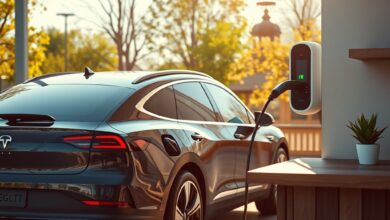
The automotive landscape is undergoing a rapid electrification, and families are at the forefront of this shift. Electric SUVs combine the spaciousness and safety that parents demand with zero‑emission powertrains that lower fuel costs and reduce carbon footprints. As charging infrastructure expands and government incentives sweeten the deal, more households are seeing electric SUVs as a practical, future‑proof choice rather than a niche novelty.
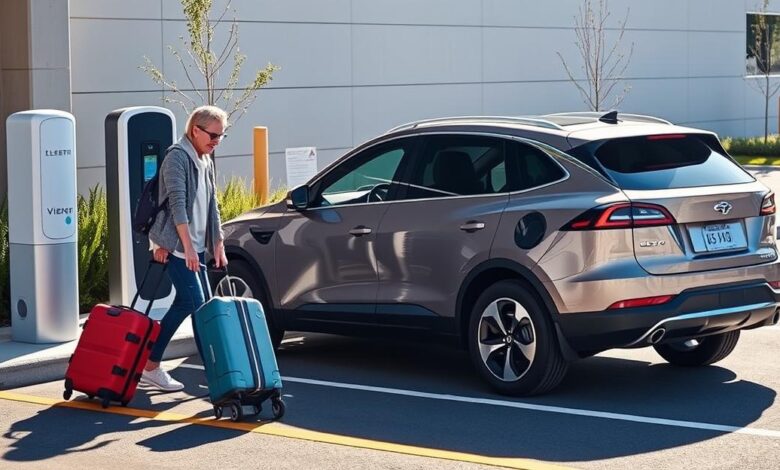
Beyond the environmental appeal, modern electric SUVs deliver instant torque, quiet cabins, and advanced driver‑assist systems that make daily school runs and weekend getaways smoother and safer. Whether you’re navigating city traffic or loading up for a cross‑country adventure, the right electric SUV can meet every family need while keeping operating expenses in check.
Essential Criteria When Choosing an Electric SUV for Your Family
Before you dive into model comparisons, it’s crucial to define the parameters that matter most for family use. The following checklist helps you prioritize features that affect everyday practicality, long‑term ownership costs, and overall satisfaction.
Space and Seating Flexibility
- Third‑row availability: Ideal for larger families or occasional carpooling.
- Cargo capacity: Look for at least 30 cubic feet behind the second row, with easy folding mechanisms.
- Adjustable seating: Sliding and reclining options improve comfort on long trips.
Range and Charging Convenience
- Target a minimum EPA‑rated range of 250 miles to comfortably cover a full‑day school run plus a weekend outing.
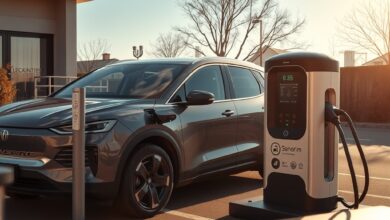
- Check for DC fast‑charging capability (150 kW or higher) to reduce downtime on road trips.
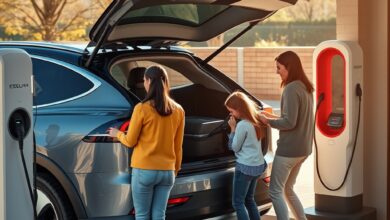
- Consider home‑charging solutions – a 7.2 kW Level 2 charger can fully replenish most electric SUVs overnight.
Safety and Driver‑Assist Technology
- Look for IIHS Top Safety Pick+ ratings and advanced airbag systems.
- Standard or optional features such as adaptive cruise control, lane‑keeping assist, and automatic emergency braking are essential for family safety.
- Child‑seat anchor points (LATCH) and rear‑seat reminder alerts add extra peace of mind.
Cost of Ownership
- Calculate the total cost of ownership (TCO) including purchase price, federal/state incentives, insurance, and electricity vs. gasoline costs.
- Factor in warranty coverage – many manufacturers offer 8‑year/100,000‑mile battery warranties.
- Explore lease vs. purchase options based on how long you plan to keep the vehicle.
Top Electric SUVs for Families in 2024
After evaluating space, range, safety, and affordability, we’ve identified the most compelling electric SUVs for families this year. Each model excels in different areas, allowing you to match a vehicle to your specific lifestyle.
1. Tesla Model Y
The Model Y remains a benchmark for performance and tech integration. With a starting price around $55,000, it offers up to 330 miles of range, a spacious 68‑cubic‑foot cargo area, and optional third‑row seating for seven. Tesla’s extensive Supercharger network ensures rapid recharging on long trips, while the Autopilot suite adds a layer of convenience for highway driving.
2. Kia EV6 GT
Kia’s EV6 GT brings a sportier flair without sacrificing practicality. Its 310‑mile range, 800‑V architecture, and 0‑60 mph time of 3.5 seconds appeal to families who value performance. The interior features a flat floor for easy third‑row access, and the vehicle qualifies for a $7,500 federal tax credit.
3. Hyundai Ioniq 5
The Ioniq 5’s retro‑futuristic design hides a roomy cabin with a 77‑cubic‑foot cargo volume and optional second‑row captain’s chairs. With a 300‑mile range and 10.5 kW onboard charger, it can add up to 80 miles in just 10 minutes at a 350‑kW DC fast charger. Hyundai’s 10‑year/100,000‑mile powertrain warranty is among the best in the industry.
4. Ford Mustang Mach‑E
Ford’s Mustang Mach‑E offers a blend of iconic branding and family‑friendly features. The extended‑range version delivers up to 305 miles, and the rear seats fold flat for a cargo capacity of 59.7 cubic feet. SYNC 4 infotainment with over‑the‑air updates keeps the vehicle current, while Ford’s Co‑Pilot360 suite provides comprehensive driver assistance.
5. Volkswagen ID.4
The ID.4 is a solid all‑rounder with a comfortable ride, 260‑mile EPA range, and a well‑designed interior that includes a 10‑inch touchscreen and optional third‑row seats. Volkswagen’s partnership with Electrify America gives owners access to a growing fast‑charging network across the U.S.
6. Volvo XC40 Recharge
Volvo’s XC40 Recharge emphasizes safety, featuring the brand’s Pilot Assist and a 280‑mile range. The compact SUV still offers a respectable 57.5‑cubic‑foot cargo space, and its Scandinavian interior design creates a premium feel for family trips.
Comparison of Top Family‑Friendly Electric SUVs
| Model | Starting Price | EPA Range | Seating Capacity | Key Family Feature | Best For |
|---|---|---|---|---|---|
| Tesla Model Y | $55,000 | 330 miles | 5–7 | Supercharger network, Autopilot | Tech‑savvy families |
| Kia EV6 GT | $58,500 | 310 miles | 5 | Sporty performance, fast charging | Active families who love speed |
| Hyundai Ioniq 5 | $45,000 | 300 miles | 5 | 10‑year powertrain warranty | Budget‑conscious families |
| Ford Mustang Mach‑E | $48,000 | 305 miles | 5 | Co‑Pilot360 driver‑assist | Families seeking brand heritage |
| Volkswagen ID.4 | $42,000 | 260 miles | 5–7 | Electrify America access | First‑time EV buyers |
| Volvo XC40 Recharge | $55,500 | 280 miles | 5 | Advanced safety suite | Safety‑first families |
Financing, Incentives, and Ownership Strategies for Electric SUVs
Purchasing an electric SUV involves more than the sticker price. Understanding federal and state incentives, as well as the nuances of leasing versus buying, can dramatically affect your total cost of ownership.
Federal Tax Credits and State Rebates
- Most 2024 models qualify for up to a $7,500 federal tax credit, but eligibility depends on the manufacturer’s cumulative sales cap.
- States such as California, New York, and Colorado offer additional rebates ranging from $1,000 to $5,000, often combined with reduced registration fees.
- Check your local utility for possible time‑of‑use (TOU) electricity rates that lower home‑charging costs.
Lease vs. Purchase: Which Is Better for Families?
- Leasing provides lower monthly payments and the ability to upgrade to newer technology every 2–3 years, which is attractive if you anticipate rapid battery improvements.
- Buying maximizes long‑term savings, especially when you can take advantage of the federal tax credit upfront and benefit from lower electricity costs over the vehicle’s life.
- Consider your typical mileage: leases often cap at 10,000–15,000 miles per year, while ownership allows unlimited driving without penalty.
Insurance and Maintenance Savings
- Many insurers offer discounts for EVs due to lower accident rates and the presence of advanced safety features.
- Electric SUVs have fewer moving parts, reducing routine maintenance costs—no oil changes, fewer brake replacements (thanks to regenerative braking), and simpler cooling systems.
Future‑Proofing Your Family’s Mobility: Trends to Watch
Even after you select the perfect electric SUV, staying informed about emerging trends ensures you continue to reap benefits throughout ownership.
Battery Technology Advances
Solid‑state batteries are expected to enter limited production by 2026, promising higher energy density, faster charging, and improved safety. While current models won’t be retrofitted, understanding the trajectory can help you plan for a future trade‑in that offers substantially longer range.
Charging Infrastructure Expansion
The U.S. aims to install 500,000 public chargers by 2025. Expect more high‑power DC fast chargers (350 kW) along interstate corridors, making long‑distance travel in electric SUVs as convenient as gasoline vehicles.
Vehicle‑to‑Grid (V2G) Capabilities
Some upcoming models will support V2G, allowing your SUV’s battery to feed power back to the grid during peak demand. This can offset electricity costs and even generate revenue, turning your family car into a small energy asset.
FAQ
Is it better to lease or buy an electric SUV for a growing family?
Leasing offers lower monthly payments and the flexibility to upgrade as technology improves, which can be appealing if you expect rapid changes in EV range or features. Buying, however, maximizes long‑term savings, especially after you’ve captured the full federal tax credit and enjoy lower operating costs. Consider your expected mileage, how long you plan to keep the vehicle, and whether you value having the latest tech every few years.
What range should I look for in a family electric SUV?
For most families, a minimum EPA‑rated range of 250 miles is advisable. This provides enough buffer for daily school runs, grocery trips, and weekend getaways without frequent charging stops. If you frequently travel long distances, aim for 300+ miles to reduce reliance on fast chargers.
Can I install a Level 2 charger at home, and is it worth the investment?
Yes. A 7.2 kW Level 2 home charger typically costs $500–$1,200 plus installation. It can fully charge most electric SUVs overnight, turning your garage into a personal fueling station and saving you time and money compared to public charging.
Do electric SUVs qualify for the same safety ratings as gasoline SUVs?
Absolutely. Most electric SUVs undergo the same rigorous crash testing as their internal‑combustion counterparts and often achieve top scores due to low center of gravity and advanced safety structures. Look for IIHS Top Safety Pick+ and NHTSA 5‑star ratings.
How do federal tax credits work for electric SUVs?
The credit reduces your federal tax liability dollar‑for‑dollar, up to $7,500, provided the vehicle meets battery capacity and price thresholds. It’s claimed on your tax return for the year you purchase the vehicle. If your tax liability is lower than the credit, the excess is not refundable, so plan accordingly.