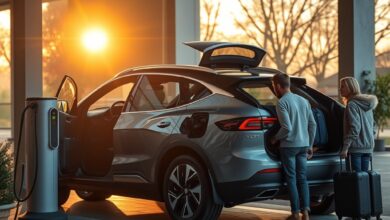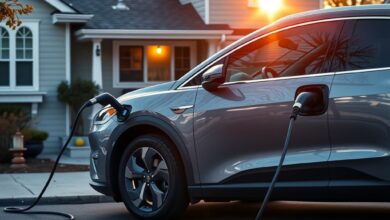

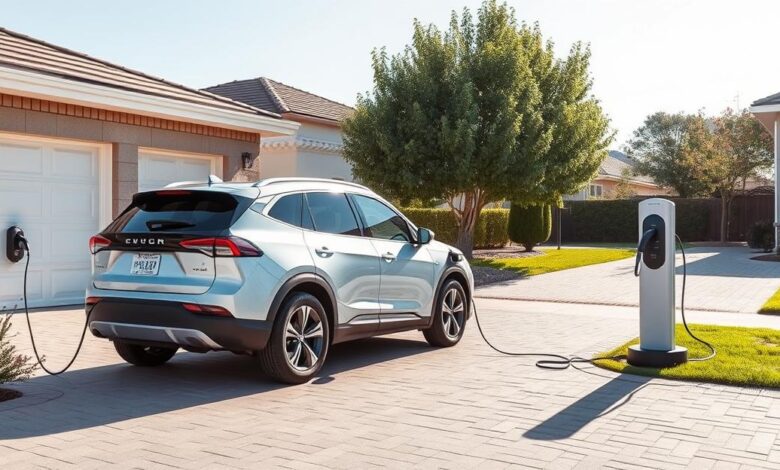
The automotive world is buzzing as families trade gas‑guzzling crossovers for sleek, silent powertrains that promise lower running costs and greener road trips. With electric SUVs becoming more affordable, the dream of a spacious, tech‑laden family vehicle no longer requires a billionaire’s budget. In this guide we’ll explore why electric SUVs are reshaping weekend getaways, how to evaluate them against your needs, and which models deliver the best value under $50,000.
Why Electric SUVs Are Ideal for Family Adventures
Electric SUVs combine the practicality of a traditional sport‑utility vehicle with the efficiency and instant torque of an electric drivetrain. For families, the benefits go beyond zero‑emission bragging rights.
Spacious Interiors and Flexible Seating
- Three‑row configurations in many models provide room for up to seven passengers.
- Flat floor designs, thanks to the absence of a conventional transmission tunnel, increase cargo space.
- Fold‑flat rear seats create a versatile cargo area for strollers, sports gear, or picnic supplies.
Advanced Safety and Driver‑Assistance Systems
- Most electric SUVs come equipped with the latest suite of ADAS features—adaptive cruise control, lane‑keep assist, and automatic emergency braking.
- High‑strength aluminum and steel frames improve crash protection while keeping weight manageable for electric range.
- Integrated rear‑view cameras and 360‑degree sensors make parking in tight school zones safer.
Key Performance Metrics to Compare
When narrowing down electric SUVs, focus on the data points that matter most to a family’s day‑to‑day experience.
- EPA Estimated Range: Determines how far you can travel on a single charge—critical for long road trips.
- Charging Speed: Look for DC fast‑charging capabilities (kW) that can add 80 % range in under an hour.
- Power and Torque: Instant torque improves merging onto highways and climbing steep mountain passes.
- Seating Capacity: Ensure the vehicle comfortably fits your family plus any extra passengers.
- Cargo Volume (cu ft): Measured with seats up and down; essential for luggage and gear.
- Warranty and Service Coverage: Battery warranties of 8 years or 100,000 mi provide peace of mind.
Top Electric SUVs Under $50k for Family Adventures
The market now offers several compelling electric SUVs that stay below the $50,000 price ceiling while delivering family‑friendly features. Below is a quick snapshot of each contender, followed by a detailed comparison table.
2024 Kia EV6 (Standard Range)
The Kia EV6 blends futuristic styling with a roomy cabin. Its standard‑range rear‑wheel‑drive version starts at $45,795 and offers 274 miles of EPA‑rated range. The interior includes a 12.3‑inch digital instrument cluster and a 14‑inch infotainment screen, both easy for kids to navigate.
2024 Hyundai Ioniq 5 (Standard Range)
Sharing a platform with the EV6, the Hyundai Ioniq 5 adds a more upright, wagon‑like silhouette that many families prefer. Priced from $44,500, it delivers 260 miles of range and features a sliding rear seat that slides forward for easier third‑row access.
2024 Volkswagen ID.4 Pro
The Volkswagen ID.4 Pro starts at $42,990 and offers a balanced 260‑mile range. Its straightforward interior layout, with a large central touchscreen and generous rear‑seat legroom, makes it a solid choice for school runs and weekend trips.
2024 Ford Mustang Mach‑E (Select)
While the Mustang Mach‑E carries a sporty badge, the Select trim stays under $50k and provides 260 miles of range. Its rear‑seat space rivals traditional SUVs, and the SYNC 4A infotainment system includes robust parental controls.
2024 Chevrolet Bolt EUV
The Bolt EUV is the most budget‑friendly option, with a starting price of $34,995 and a respectable 247‑mile range. Though slightly smaller, its 5‑seat configuration and Super Cruise hands‑free driving make it a practical urban family vehicle.
2024 Nissan Ariya (S Trim)
The Nissan Ariya S begins at $44,800 and offers 260 miles of range. Its quiet cabin and optional second‑row captain’s chairs provide a premium feel without breaking the bank.
Comparison of Top Electric SUVs Under $50k
| Model | Starting Price | EPA Range | Seating Capacity | Key Feature | Best For |
|---|---|---|---|---|---|
| Kia EV6 (Standard) | $45,795 | 274 miles | 5 | Fast‑charging 350 kW | Tech‑savvy families |
| Hyundai Ioniq 5 (Standard) | $44,500 | 260 miles | 5 | Sliding rear seat | Flexible cargo needs |
| Volkswagen ID.4 Pro | $42,990 | 260 miles | 5 | Spacious interior | Everyday commuters |
| Ford Mustang Mach‑E (Select) | $48,200 | 260 miles | 5 | Sporty handling | Families who love performance |
| Chevrolet Bolt EUV | $34,995 | 247 miles5 | Super Cruise | Urban drivers on a budget | |
| Nissan Ariya (S Trim) | $44,800 | 260 miles | 5 | Quiet cabin | Long‑distance road trippers |
Financing, Incentives, and Ownership Costs for Electric SUVs
Buying an electric SUV involves more than the sticker price. Federal tax credits, state rebates, and favorable financing terms can significantly lower the effective cost.
- Federal EV Tax Credit: Up to $7,500 for qualifying models, but phase‑out rules apply after manufacturers reach 200,000 sales.
- State Incentives: Many states offer additional rebates ranging from $1,000 to $5,000, plus reduced registration fees.
- Zero‑Emission Vehicle (ZEV) Credits: Some utilities provide monthly credits for charging during off‑peak hours.
- Leasing vs. Buying: Leasing often includes maintenance coverage and allows you to upgrade to newer tech every 2–3 years, while buying secures long‑term equity and eliminates mileage caps.
- Insurance Savings: Some insurers discount electric vehicles due to lower accident rates and advanced safety features.
Practical Tips for Test Driving and Selecting the Right Electric SUV
A test drive is your chance to verify that an electric SUV meets your family’s real‑world expectations.
- Bring the kids along to assess rear‑seat comfort and rear‑window visibility.
- Check the infotainment system’s ease of use; look for Apple CarPlay, Android Auto, and built‑in parental controls.
- Ask the dealer to demonstrate regenerative braking and how it feels in stop‑and‑go traffic.
- Verify charging options at home: confirm that the vehicle’s onboard charger is compatible with your existing Level 2 charger or plan for a new installation.
- Take the SUV on a highway stretch to gauge real‑world range and acceleration when fully loaded.
- Ask about warranty coverage for the battery pack and any free maintenance plans.
Future Trends Shaping Electric SUVs for Families
Even after you purchase, it’s helpful to know where the market is heading.
- Longer Ranges: New chemistry and larger battery packs are pushing 350‑plus mile ranges, reducing range anxiety for cross‑country trips.
- Integrated Solar Roofs: Early adopters are seeing modest mileage gains from roof‑mounted solar panels.
- Advanced Driver‑Assistance: Level 3 hands‑off capabilities are expected in upcoming models, making long drives less tiring for parents.
- Modular Interiors: Future electric SUVs may feature removable seats and configurable cargo modules for ultimate flexibility.
Frequently Asked Questions
Is it better to lease or buy an electric SUV?
Leasing offers lower monthly payments, includes warranty coverage for the entire lease term, and lets you upgrade to newer technology every few years. Buying is advantageous if you plan to keep the vehicle long‑term, want to avoid mileage limits, and wish to build equity. Consider your driving habits, how often you upgrade, and the availability of lease incentives.
How much does it cost to charge an electric SUV at home?
Charging cost depends on local electricity rates. On average, U.S. rates are about $0.13 per kWh. A 75 kWh battery (typical for many electric SUVs) would cost roughly $9.75 for a full charge, giving you 250–300 miles of driving. Installing a Level 2 charger adds an upfront cost of $500‑$1,200, but many utilities offer rebates.
What range should I expect in real‑world driving versus EPA ratings?
EPA ratings are tested under controlled conditions. Real‑world range can vary by 10‑15 % due to temperature, driving style, terrain, and accessory use (like HVAC). For family trips, plan for 80‑90 % of the EPA range to stay on the safe side.
Are electric SUVs safe for children?
Yes. Most electric SUVs earn high safety scores from NHTSA and IIHS. They feature rigid battery enclosures, multiple airbags, and advanced driver‑assist systems that reduce the likelihood of collisions. Always verify the specific model’s crash‑test ratings before purchase.
Can I install a charger in a rental property?
Many landlords now allow Level 2 charger installations, especially when they see the property’s value increase. Check your lease agreement, discuss with the property owner, and ensure any electrical work complies with local codes.