
Why Vintage Cars Capture the Heart of Collectors
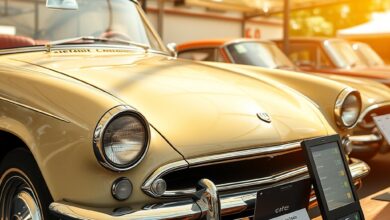
The allure of vintage cars goes beyond polished chrome and classic lines; it’s a living piece of automotive history that you can drive. For enthusiasts hunting the perfect ride, the phrase “vintage cars” instantly conjures images of timeless design, raw driving pleasure, and a tangible connection to the golden eras of motoring. Whether you’re drawn by the roar of a V8, the rarity of a limited‑run model, or the investment potential of a well‑preserved classic, finding the right vintage car can feel like uncovering a hidden treasure.
In 2024 the market is buzzing with opportunities, but the journey from dream to driveway requires careful planning, realistic budgeting, and a solid understanding of the unique challenges that come with owning a piece of automotive heritage.
Key Factors to Consider Before Buying Vintage Cars
Before you place a bid at an auction or sign a purchase agreement, take a systematic approach. The following checklist helps you avoid costly mistakes and ensures the vehicle fits your lifestyle and financial goals.
Budget and Total Cost of Ownership
- Purchase price: Classic market values can swing dramatically based on rarity, provenance, and condition.
- Restoration vs. running‑good: A “turn‑key” car may cost more upfront but saves thousands in labor.
- Insurance: Specialty policies for vintage cars often charge higher premiums, especially for high‑value models.
- Storage: Climate‑controlled garages protect paint and mechanical components from moisture and temperature extremes.
- Maintenance: Parts for older models may be scarce; budget for specialty shop labor.
Authenticity and Documentation
- Original build sheets, VIN verification, and service records validate authenticity.
- Look for “originality” certificates from recognized classic car clubs.
- Check for any modifications that could affect value—original paint, engine, and interior are key.
Mechanical Condition
- Engine compression, timing, and oil leaks are early red flags.
- Assess the condition of the drivetrain, suspension, and brake system.
- Consider a pre‑purchase inspection by a mechanic who specializes in the specific marque.
Legal and Registration Requirements
- Some states require a “historic vehicle” registration, which may limit annual mileage.
- Emissions testing varies; many vintage cars are exempt, but verify local regulations.
- Ensure the title is clear—no liens or salvage branding.
Top 10 Vintage Cars to Buy in 2024
These models have consistently shown strong appreciation, reliable parts availability, and enthusiastic owner communities. Each entry includes a brief overview, typical price range, and why it’s a smart addition to a classic collection.
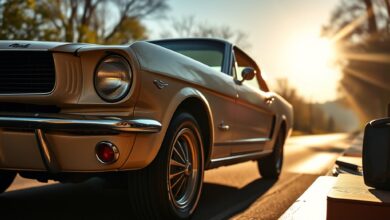
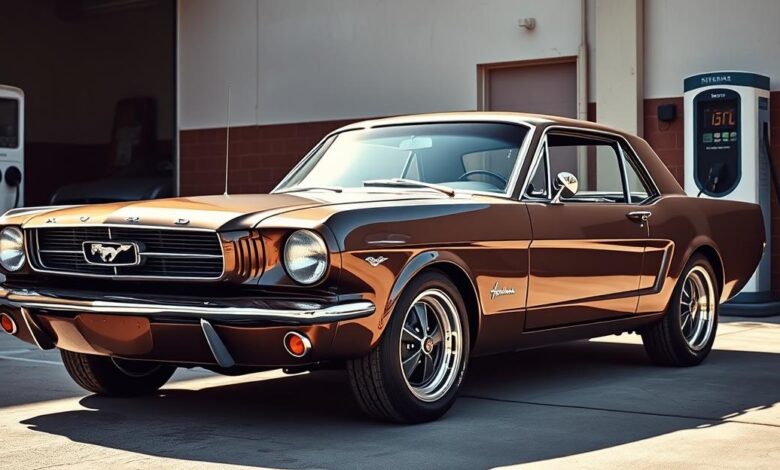
1. 1965 Ford Mustang Fastback
The iconic pony car remains a cultural touchstone. Early fastbacks in original condition command premium prices, while project cars can be found at more modest levels.
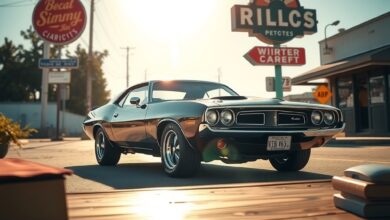
2. 1970 Chevrolet Chevelle SS 454
Muscle car purists love the Chevelle SS for its massive V8, classic styling, and relative rarity compared to its Camaro and GTO siblings.
3. 1969 Porsche 911 Carrera RS
Lightweight, flat‑six performance and a racing pedigree make the Carrera RS a coveted European classic.
4. 1971 Jaguar E-Type Series 3
Often called “the most beautiful car ever made,” the E‑Type blends British elegance with a smooth inline‑six.
5. 1967 Chevrolet Corvette Sting Ray
With its split‑window coupe and powerful V8, the ’67 Sting Ray is a standout in the American sports car arena.
6. 1970 Datsun 240Z
Japanese sports car enthusiasts prize the 240Z for its sleek design, reliable engine, and growing collector demand.
7. 1963 Aston Martin DB5
Famous from James Bond films, the DB5 offers British luxury, a straight‑six, and a pedigree that continues to appreciate.
8. 1974 BMW 3.0 CSL “Batmobile”
Lightweight construction, aerodynamic fins, and a high‑revving inline‑six make the CSL a European performance icon.
9. 1969 Alfa Romeo Giulia Sprint GTA
Renowned for its handling and racing heritage, the GTA is a rare Italian gem with a devoted following.
10. 1972 Mercedes-Benz 300SL “Gullwing”
Its distinctive doors, fuel‑injected inline‑six, and limited production numbers place the 300SL among the most desirable vintage cars.
Comparison of the Top 10 Vintage Cars for 2024
| Model | Typical Price (USD) | Engine / Power | Key Feature | Pros | Best For |
|---|---|---|---|---|---|
| 1965 Ford Mustang Fastback | $45,000 – $120,000 | 4.7 L V8 / 271 hp | Iconic American muscle | Strong community, abundant parts | First‑time classic buyers |
| 1970 Chevrolet Chevelle SS 454 | $55,000 – $130,000 | 7.4 L V8 / 450 hp | Massive torque | Powerful straight‑line performance | Muscle car enthusiasts |
| 1969 Porsche 911 Carrera RS | $150,000 – $250,000 | 2.7 L flat‑6 / 210 hp | Lightweight racing pedigree | European handling, strong resale | Performance‑focused collectors |
| 1971 Jaguar E‑Type Series 3 | $90,000 – $180,000 | 5.3 L I6 / 272 hp | Timeless design | Elegant ride, strong brand | Luxury‑oriented buyers |
| 1967 Chevrolet Corvette Sting Ray | $80,000 – $150,000 | 5.7 L V8 / 300 hp | Split‑window coupe | American sports heritage | Collectors seeking rarity |
| 1970 Datsun 240Z | $30,000 – $55,000 | 2.4 L I6 / 151 hp | Japanese reliability | Affordability, growing demand | Budget‑conscious enthusiasts |
| 1963 Aston Martin DB5 | $650,000 – $1,200,000 | 4.0 L I6 / 282 hp | James Bond fame | Ultimate British luxury | High‑net‑worth collectors |
| 1974 BMW 3.0 CSL “Batmobile” | $350,000 – $600,000 | 3.0 L I6 / 206 hp | Aerodynamic fins | Racing heritage, rarity | European performance fans |
| 1969 Alfa Romeo Giulia Sprint GTA | $120,000 – $200,000 | 1.8 L I4 / 170 hp | Racing DNA | Sharp handling, exclusivity | Track‑day lovers |
| 1972 Mercedes‑Benz 300SL “Gullwing” | $1,200,000 – $2,000,000 | 3.0 L I6 / 215 hp | Gullwing doors | Legendary status, engineering | Ultra‑high‑end collectors |
Financing and Insurance for Vintage Cars
Unlike modern vehicles, vintage cars often require specialized financing and insurance solutions. Understanding these options helps you protect your investment while keeping monthly costs manageable.
Financing Options
- Classic Car Loans: Lenders specialize in loans up to 80 % of the appraised value, with terms ranging from 5 to 15 years. Interest rates are typically higher than new‑car loans.
- Home Equity Line of Credit (HELOC): If you own substantial equity, a HELOC can provide low‑interest financing, but it puts your home at risk if you default.
- Dealer or Auction Financing: Some auction houses partner with lenders for on‑the‑spot approvals, though rates may be less competitive.
- Cash Purchase: Paying cash eliminates financing costs and can give you leverage to negotiate a lower price.
Insurance Considerations
- Seek a “Agreed Value” policy—your car is insured for a pre‑determined amount, avoiding disputes after a claim.
- Look for coverage that includes agreed‑value, roadside assistance, and transportation to a qualified restoration shop.
- Many insurers offer discounts for vehicles stored in climate‑controlled facilities or for owners who participate in classic car clubs.
Maintenance, Restoration, and Long‑Term Ownership
Owning vintage cars is a commitment to preservation. Regular maintenance, thoughtful restoration, and a proactive approach to parts sourcing extend the life of your classic.
Routine Maintenance Checklist
- Change oil with a high‑viscosity synthetic blend suitable for older engines.
- Inspect and replace rubber seals, hoses, and gaskets every 2–3 years to prevent leaks.
- Check the timing chain or belt for wear; many vintage models use timing chains that require periodic tension checks.
- Monitor brake system health—drum brakes are common and may need resurfacing or conversion to disc brakes.
- Rotate tires regularly to avoid flat‑spotting, especially if the car sits for extended periods.
Restoration Strategies
- Partial Restoration: Focus on safety and reliability (brakes, suspension, engine health) while preserving original aesthetics.
- Full Restoration: Return the car to factory specifications; ideal for high‑value models where originality drives price.
- Document every step with photos and receipts—this documentation adds value for future resale.
Parts Sourcing
Finding OEM parts can be a puzzle, but several avenues increase success rates: