

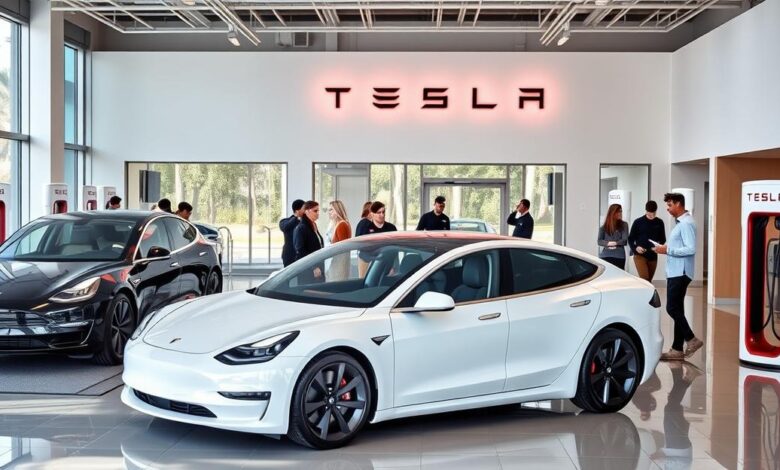
Why Tesla Remains the Benchmark for Modern EV Buyers
Electric vehicles are no longer a niche; they dominate headlines, roadways, and buyer wish‑lists. Among the sea of options, tesla models consistently surface as the gold standard for performance, technology, and resale value. Whether you’re a first‑time EV owner or a seasoned enthusiast, the 2024 lineup offers something for every budget, from the sleek Model 3 to the luxurious Model S Plaid.
Choosing the right Tesla can feel overwhelming, especially with rapid updates and a variety of trim levels. This guide breaks down each model’s strengths, real‑world costs, and how to align them with your driving habits and financial goals.
Understanding the 2024 Tesla Model Lineup
Before diving into numbers, it helps to grasp the core differences among the four primary tesla models available in 2024. Each vehicle shares a common software‑first philosophy but targets distinct market segments.
Model 3 – The Affordable Entry Point
- Compact sedan with a minimalist interior.
- Rear‑wheel drive (Standard) or dual‑motor all‑wheel drive (Performance).
- Range up to 358 miles (Long‑Range).
- Starting price around $42,990.
Model Y – The Versatile Compact SUV
- Higher ride height and optional third‑row seating.
- Dual‑motor all‑wheel drive standard on Long‑Range and Performance.
- Range up to 330 miles.
- Starting price near $48,990.
Model S – The Luxury Sedan
- Flagship performance with a spacious cabin.
- Tri‑motor Plaid version delivers 0‑60 mph in under 2 seconds.
- Range up to 405 miles (Long‑Range).
- Starting price about $94,990.
Model X – The Premium SUV
- Iconic falcon‑wing doors and up to seven seats.
- Dual‑motor or tri‑motor configurations.
- Range up to 351 miles.
- Starting price roughly $104,990.
Budget Planning: How Much Should You Spend?
Budgeting for a Tesla isn’t just about the sticker price. Consider the total cost of ownership (TCO), which includes financing, insurance, charging infrastructure, and potential tax incentives.
Calculate Your Monthly Payment
- Determine a comfortable monthly outlay (typically 15% of gross monthly income).
- Use an online auto loan calculator to factor in interest rates (3%–5% APR for qualified buyers).
- Factor in lease payments if you prefer a lower upfront cost and plan to upgrade every 2–3 years.
Tax Credits and Rebates
Federal and state EV incentives can shave $2,500–$7,500 off the purchase price. Verify eligibility on EPA’s EV incentives page and check local utility rebates for home charger installations.
Charging Costs vs. Fuel Savings
On average, electricity costs $0.13 per kWh, translating to roughly $4–$5 per 100 miles. Compare this to a gasoline vehicle that costs $12–$15 per 100 miles, resulting in annual savings of $800–$1,200 depending on mileage.
Technology & Features That Set Tesla Apart
All tesla models share a suite of cutting‑edge tech, but each trim adds exclusive upgrades that can influence your buying decision.
Autopilot and Full Self‑Driving (FSD)
- Standard Autopilot includes adaptive cruise control and lane‑keeping.
- FSD (optional $15,000) adds navigate‑on‑autopilot, auto‑lane change, and traffic‑light/stop‑sign control.
- Software updates improve functionality over the vehicle’s life, protecting your investment.
Interior and Infotainment
- 15‑inch central touchscreen (Model 3/Y) or 17‑inch (Model S/X) controls nearly every vehicle function.
- Premium audio, heated seats, and glass roof are optional upgrades that enhance comfort.
- Wireless phone charging and over‑the‑air (OTA) updates keep the cabin future‑ready.
Performance Metrics
From the brisk 0‑60 mph in 3.1 seconds for the Model 3 Performance to the jaw‑dropping sub‑2‑second sprint of the Model S Plaid, Tesla offers a spectrum of acceleration that rivals traditional sports cars.
Financing vs. Leasing: Which Option Aligns With Your Lifestyle?
Choosing between a loan and a lease depends on how long you plan to keep the vehicle, mileage expectations, and cash flow preferences.
Pros of Buying
- Full ownership after loan payoff.
- No mileage restrictions—ideal for high‑kilometer drivers.
- Potential to sell or trade in for equity.
Pros of Leasing
- Lower monthly payments and reduced upfront cost.
- Access to the latest technology every 2–3 years.
- Warranty coverage typically lasts the entire lease term.
Key Considerations
- Leases often require a 10%‑20% down payment and charge fees for excess wear.
- Buying may qualify you for higher federal tax credits, especially for lower‑priced models.
- Resale value for Tesla remains strong, often exceeding 60% of MSRP after three years.
Comparison of Leasing vs. Buying for a 2024 Model 3
| Option | Down Payment | Monthly Cost | Term | Mileage Limit | End‑of‑Term Equity |
|---|---|---|---|---|---|
| Buy (5‑yr loan) | $5,000 | $650 | 60 months | Unlimited | Vehicle owned; potential resale value |
| Lease (36‑mo) | $4,500 | $450 | 36 months | 10,000 mi/yr | No equity; return vehicle or lease new |
Matching the Right Tesla to Your Lifestyle
Each tesla models lineup serves a distinct driver profile. Use the checklist below to pinpoint the best fit.
Daily Commuter
- Prioritize range and efficiency.
- Model 3 Standard Range Plus offers 263 miles at a lower price point.
- Consider home charging installation for overnight convenience.
Family Road‑Tripper
- Need cargo space and optional third‑row seating.
- Model Y’s hatchback design provides 68 cu ft of cargo room.
- All‑wheel drive ensures confidence in varied weather.
Performance Enthusiast
- Seek rapid acceleration and track‑ready handling.
- Model S Plaid delivers 0‑60 mph in 1.99 seconds.
- Upgrade to Performance brakes for repeated high‑speed runs.
Luxury Executive
- Desire premium interior, advanced driver assistance, and spacious rear seats.
- Model X with Plaid powertrain offers a blend of performance and upscale amenities.
- Consider the panoramic windshield for a premium cabin feel.
Future‑Proofing Your Tesla Purchase
Technology evolves quickly, but Tesla’s OTA updates mean your vehicle can improve over time, protecting your investment.
Software Updates
- Regular OTA patches add new features, improve range, and refine Autopilot.
- Owners of older models have reported performance boosts after updates.
Battery Health and Warranty
All new Teslas come with an 8‑year or 150,000‑mile battery warranty (whichever occurs first). Keep the battery at optimal temperatures and avoid deep‑discharge cycles to maximize longevity.
Resale Value Trends
Historically, Tesla retains 60%–70% of its original price after three years, outpacing most ICE competitors. Maintaining service records, keeping the software current, and preserving the interior will further enhance resale potential.
Charging Infrastructure Outlook
By 2025, Tesla aims to increase Supercharger capacity by 30% across North America, reducing wait times and expanding coverage in rural areas. Investing in a home charger now ensures you’re ready for this expanding network.
Preparing for Autonomous Features
While full self‑driving is not yet legally approved, purchasing a model with the FSD package positions you to adopt autonomous capabilities as regulations evolve.
Insurance Considerations
Tesla’s built‑in safety suite often leads to lower insurance premiums. Request quotes from multiple providers and ask about discounts for vehicles equipped with advanced driver assistance systems.
Environmental Impact
Driving a Tesla reduces tailpipe emissions to zero. When paired with renewable home energy (solar panels), the overall carbon footprint can be dramatically lowered, appealing to eco‑conscious buyers.
Maintenance Savings
- No oil changes, fewer moving parts, and regenerative braking extend brake life.
- Annual service visits typically cost $200–$300, far less than a comparable gasoline vehicle.
Long‑Term Ownership Checklist
- Install a Level 2 home charger (7.2 kW) for overnight convenience.
- Schedule annual software health checks via the Tesla app.
- Monitor battery health through the in‑car diagnostics.
- Stay informed about upcoming OTA features that may affect resale value.
Conclusion: Your Path to the Perfect Tesla
Whether you’re chasing efficiency, performance, or family practicality, the 2024 tesla models lineup offers a tailored solution for every budget. By assessing your driving habits, financial parameters, and desired tech features, you can confidently select a vehicle that not only meets today’s needs but also adapts to tomorrow’s innovations.
Frequently Asked Questions
Is it better to lease or buy a Tesla?
Leasing provides lower monthly payments and the ability to upgrade every few years, ideal for drivers who want the latest tech and drive under 10,000 miles per year. Buying builds equity, removes mileage caps, and often qualifies for larger tax credits, making it preferable for long‑term owners and high‑kilometer drivers.