
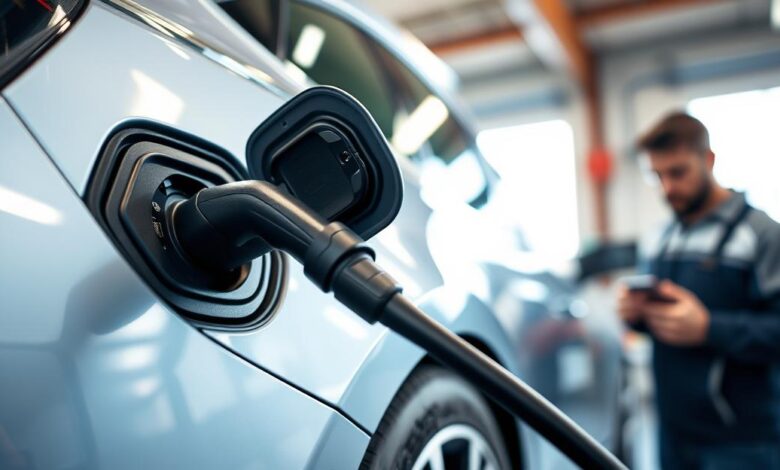
Understanding the Importance of ev Battery Health
The electric vehicle revolution is no longer a distant vision; it’s happening on our streets today. As more drivers make the switch, the longevity of the ev battery becomes a critical factor in total ownership cost and daily convenience. A well‑maintained ev battery not only preserves the advertised range but also protects resale value and reduces the likelihood of costly warranty claims. In this guide we’ll explore proven strategies that keep your battery healthy, ensuring every charge delivers the maximum miles possible.
Key Factors That Influence ev Battery Longevity
Even the most advanced battery chemistry can degrade if exposed to adverse conditions. Understanding the variables that affect degradation helps you make smarter daily choices.
Temperature Management
- Extreme Cold: Low temperatures slow the chemical reactions inside the ev battery, reducing immediate range by up to 30 %.
- Extreme Heat: Prolonged exposure to high heat accelerates electrolyte breakdown, shortening overall lifespan.
- Ideal Range: Most manufacturers recommend keeping the battery between 20 °C and 30 °C (68 °F–86 °F) when possible.
Practical tip: Park in shaded or climate‑controlled garages during summer, and use pre‑conditioning in winter to bring the battery to optimal temperature before you drive.
Charging Habits
- Fast Charging Frequency: DC fast chargers (250 kW+) are convenient but generate heat that can stress the ev battery if used daily.
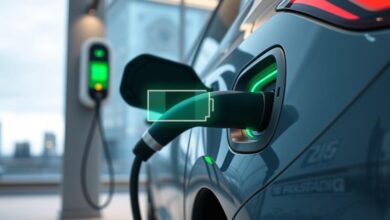
- State‑of‑Charge (SoC) Limits: Keeping the battery between 20 % and 80 % SoC for everyday use minimizes stress.
- Full‑Charge Routines: Reserving 100 % charges for long trips helps preserve long‑term capacity.
Many EVs now include built‑in “smart charging” settings that automatically stop charging at a user‑defined SoC. Enable these features to avoid overcharging.
Driving Style and Depth of Discharge
- Aggressive Acceleration: High current draw spikes battery temperature and can hasten degradation.
- Deep Discharges: Regularly draining the battery below 10 % forces the cells into a high‑stress state.
- Regenerative Braking: Properly calibrated regen recaptures energy and reduces the need for deep discharge cycles.
Adopt a smooth driving style and make use of regenerative braking to keep the ev battery operating within its most efficient envelope.
Practical Tips to Maximize Your ev Battery Range
Implementing a few disciplined habits can add up to significant range gains over the life of your vehicle.
Optimal Charging Routine
- Set home charger to stop at 80 % for daily use.
- Schedule charging to start when ambient temperature is moderate (e.g., early evening in summer).
- Use Level 2 AC charging for routine top‑ups; reserve Level 3 DC fast charging for trips requiring rapid replenishment.
Smart Climate Control Use
- Pre‑heat or pre‑cool the cabin while the car is still plugged in.
- Turn off heated seats and steering wheels when not needed; they draw considerable power from the ev battery.
- Use “eco” climate modes that balance comfort with energy consumption.
Regular Software Updates
- Manufacturers often release firmware that improves battery thermal management and charging algorithms.
- Enable over‑the‑air updates or visit a service center promptly after a new release.
- Check the vehicle’s “Battery Health” dashboard regularly to monitor any changes.
Maintain Proper Tire Pressure
Under‑inflated tires increase rolling resistance, forcing the ev battery to work harder. Check pressure monthly and adjust to the manufacturer’s recommended PSI.
Limit Excess Weight
Every additional kilogram reduces efficiency. Remove unnecessary cargo and keep the vehicle’s load within the design specifications.
Comparison of Popular EV Models and Their Battery Management Features
Comparison of Battery Management Systems (BMS) and Range Optimisation
| Model | Starting Price | Battery Capacity (kWh) | EPA Range (miles) | Key BMS Feature | Best For |
|---|---|---|---|---|---|
| Tesla Model Y | $53,490 | 75 | 330 | Active thermal management with liquid cooling | Tech‑focused commuters |
| Ford Mustang Mach‑E | $44,095 | 68 | 305 | Adaptive charging limits (20‑80 % default) | Family road‑trippers |
| Hyundai Ioniq 5 | $41,450 | 77.4 | 303 | Heat‑pump climate system reduces battery load | Urban drivers seeking fast charge |
| Volkswagen ID.4 | $38,995 | 77 | 260 | Predictive range algorithm based on driving style | First‑time EV owners |
When to Seek Professional Help and What to Expect
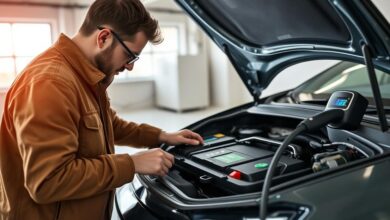
Even with diligent care, battery cells can develop issues that only a certified technician can diagnose. Knowing the signs and the service process saves time and money.
Diagnostic Tools and Warranty Coverage
- Battery Management System Alerts: Modern EVs display specific error codes when voltage imbalance or temperature spikes are detected.
- Warranty Terms: Most manufacturers offer an 8‑year/100,000‑mile battery warranty that covers capacity loss below a defined threshold (often 70 %).
- Service Centers: Certified dealers have specialized equipment to perform cell‑level diagnostics and, if necessary, replace modules under warranty.
If you notice a sudden drop of more than 10 % in range after a full charge, schedule a service appointment promptly.
Future Trends in ev Battery Technology and What They Mean for Owners
Battery innovation continues at a rapid pace. Understanding upcoming advancements helps you plan future upgrades or resale strategies.
Solid‑State Batteries
- Offer higher energy density, potentially increasing range by 20‑30 %.
- Operate safely at higher temperatures, reducing the need for complex cooling systems.
- Expected commercial rollout in the early 2030s, which may boost resale values of current EVs.
Vehicle‑to‑Grid (V2G) Integration
- Allows the ev battery to feed electricity back to the grid during peak demand, creating a potential revenue stream.
- Requires bidirectional chargers and supportive utility tariffs.
- Early adopters can benefit from incentives while contributing to grid stability.
Advanced Battery Management Algorithms
- Machine‑learning models predict optimal charge windows based on driver habits, weather forecasts, and electricity rates.
- These algorithms can automatically adjust SoC limits to extend overall battery health.
- Future OTA updates will likely make these features standard across most brands.
Recycling and Second‑Life Applications
- End‑of‑life EV batteries are increasingly repurposed for stationary storage, reducing environmental impact.
- Manufacturers are offering trade‑in programs that provide credit toward a new vehicle when the old battery is returned for recycling.
- Understanding these programs can improve the total cost of ownership calculation.
How to Future‑Proof Your Purchase
When evaluating a new EV, consider the following criteria to ensure your investment remains relevant as technology evolves:
- Compatibility with upcoming fast‑charging networks (e.g., CCS‑2, CHAdeMO, or proprietary standards).
- Availability of OTA software updates that enhance battery management.
- Manufacturer’s roadmap for battery upgrades or modular replacements.
Summary of Actionable Steps
- Maintain moderate battery temperatures through garage parking and pre‑conditioning.
- Adopt a 20‑80 % charging window for daily driving; reserve 100 % only for long trips.
- Drive smoothly and leverage regenerative braking to avoid deep discharge cycles.
- Keep software up to date and monitor BMS alerts regularly.
- Schedule professional diagnostics at the first sign of abnormal range loss.
Frequently Asked Questions
Is it better to charge my ev battery to 100 % every day?
No. Regularly charging to 100 % can accelerate degradation. Aim for 80 % for everyday use and only charge to full when you need the extra range for a long journey.
How does cold weather affect my ev battery range?
Cold temperatures increase internal resistance, reducing the chemical efficiency of the cells. This can cut range by 20‑30 % in sub‑freezing conditions. Pre‑conditioning while plugged in helps mitigate the loss.
Can I use any public charger with my EV?
Most modern EVs support the CCS‑2 standard in North America and Europe, while some Asian models use CHAdeMO. Check your vehicle’s specifications and ensure the charger’s connector matches.
What is the typical lifespan of an ev battery?
Under normal conditions, an ev battery retains about 80 % of its original capacity after 8‑10 years or 100,000 miles, whichever comes first. Proper care can extend this lifespan.
Will a battery replacement be covered under warranty?
Most manufacturers provide an 8‑year/100,000‑mile warranty that covers capacity loss below a specified threshold (often 70 %). If your battery falls below that level within the warranty period, a replacement or repair is usually covered.
How can I improve my EV’s range without buying a new car?
Adopt efficient driving habits, keep tires properly inflated, use climate control wisely, and follow the recommended charging routine. Regular software updates can also unlock range‑optimising algorithms.