
There’s a unique thrill that comes from hearing a throaty V8 roar down a quiet street, especially when that engine is housed in a piece of automotive history. For enthusiasts of vintage cars, classic muscle cars represent the perfect blend of raw power, iconic styling, and an unmistakable cultural legacy. Whether you’re hunting for a weekend cruiser, an investment piece, or a daily driver that turns heads, the market for these legends is hotter than ever, and the right choice can deliver both excitement and long‑term value.
Why Classic Muscle Cars Remain a Smart Buy in 2024
Even as the industry accelerates toward electric mobility, the demand for vintage cars like classic muscle models has stayed robust. Collectors appreciate the tangible connection to an era of American automotive ambition, while new buyers are drawn to the affordable entry points compared with modern supercars. Here’s why a classic muscle car can be a savvy purchase today:
- Depreciation curve reversal: After the initial 10‑year dip, many models begin to appreciate, offering potential upside.
- Driving experience: Unfiltered power and a manual transmission provide a visceral feel that modern cars often lack.
- Community support: Enthusiast clubs, dedicated forums, and specialist mechanics make ownership more manageable.
- Customization potential: From performance upgrades to period‑correct restorations, the possibilities are endless.
Key Criteria for Selecting the Right Vintage Muscle Car
Before you dive into the market, set clear parameters to ensure your purchase aligns with your lifestyle and budget. These criteria help you avoid common pitfalls and focus on models that deliver the best blend of performance, reliability, and resale potential.
Performance and Engine Characteristics
- Original engine vs. rebuilt: A factory‑original block often commands a premium, but a professionally rebuilt engine can offer reliability without sacrificing authenticity.
- Power output: Look for models delivering at least 300 hp for a genuine muscle feel.
- Transmission preference: Manual gearboxes provide engagement, while automatic conversions can broaden daily usability.
Condition and Restoration Level
- Show‑quality: Fully restored, often with period‑correct parts—ideal for collectors but higher cost.
- Driver‑ready: Mechanical components are sound, but cosmetic work may be needed—great for enthusiasts who enjoy a project.
- Project car: Significant restoration required—lowest entry price but higher time investment.
Budget and Ownership Costs
- Purchase price: Expect $30,000‑$80,000 for most top‑tier models.
- Insurance: Classic car policies can be more affordable but vary by driver age and usage.
- Maintenance: Anticipate $1,500‑$3,000 annually for routine upkeep, plus occasional major services.
Top 7 Classic Muscle Cars Worth Buying Today
Below is a curated list of the most desirable muscle icons that consistently deliver strong performance, strong community support, and solid investment potential. Each entry includes key specs, typical price range, and the buyer profile it best serves.
1. 1969 Chevrolet Camaro Z/28
- Engine: 302 ci (4.9 L) L‑8 V8, 290 hp.
- Why it shines: Lightweight, track‑ready chassis with a legendary reputation in autocross circles.
- Best for: Drivers seeking a blend of daily usability and weekend track days.
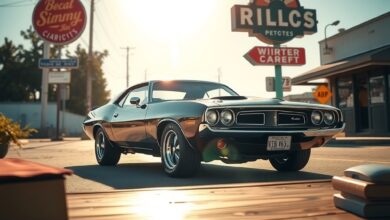
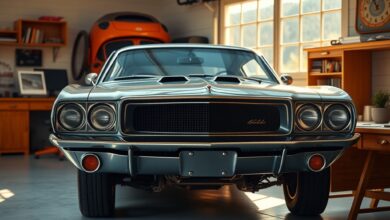
2. 1970 Dodge Challenger R/T
- Engine: 440 ci (7.2 L) Magnum V8, 375 hp.
- Why it shines: Iconic styling and massive torque make it a standout at car shows.
- Best for: Collectors who value presence and raw power over outright handling finesse.
3. 1970 Pontiac GTO “Judge”
- Engine: 455 ci (7.5 L) V8, 370 hp.
- Why it shines: Rare “Judge” badging, aggressive stance, and a strong enthusiast network.
- Best for: Those looking for a rare badge‑engineered model with strong resale potential.
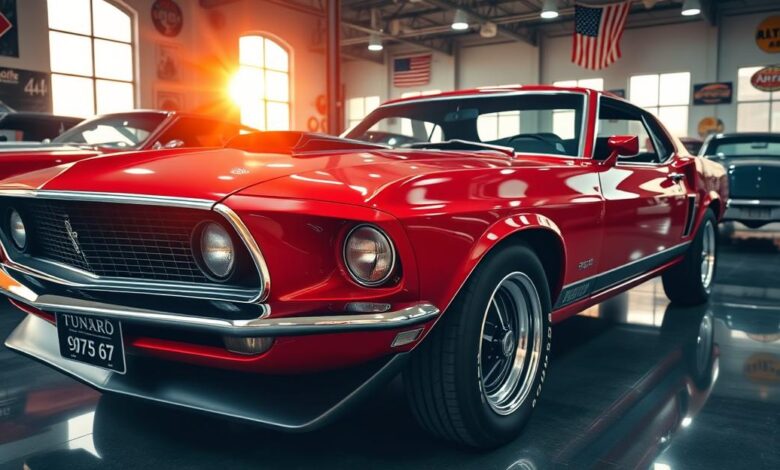
4. 1969 Ford Mustang Boss 302
- Engine: 302 ci (4.9 L) V8, 290 hp (high‑revving).
- Why it shines: Designed for SCCA racing; offers precise handling and a storied heritage.
- Best for: Enthusiasts who crave a race‑ready street car.
5. 1970 Plymouth Barracuda “Cuda” Hemi
- Engine: 426 ci (7.0 L) Hemi V8, 425 hp.
- Why it shines: Extremely limited production; a true collector’s gem.
- Best for: High‑budget buyers seeking a museum‑grade piece.
6. 1968 Chevrolet Chevelle SS 454
- Engine: 454 ci (7.4 L) V8, 450 hp.
- Why it shines: Straight‑line acceleration legend; often called “the fastest American car of its era.”
- Best for: Drag‑strip enthusiasts and those who love a classic American roar.
7. 1970 Oldsmobile 442
- Engine: 455 ci (7.5 L) V8, 380 hp.
- Why it shines: Balanced performance with a relatively comfortable ride; often overlooked, offering better value.
- Best for: Buyers wanting a classic muscle feel without the premium price of more famous badges.
Comparison of the Top 7 Classic Muscle Cars
| Model | Typical Price | Engine / HP | Key Feature | Pros | Best For |
|---|---|---|---|---|---|
| 1969 Chevrolet Camaro Z/28 | $45,000‑$70,000 | 302 ci / 290 hp | Lightweight chassis | Track‑ready, easy to modify | Weekend racers |
| 1970 Dodge Challenger R/T | $55,000‑$85,000 | 440 ci / 375 hp | Iconic styling | Massive torque, strong resale | Show car collectors |
| 1970 Pontiac GTO “Judge” | $60,000‑$90,000 | 455 ci / 370 hp | Rare “Judge” badging | High demand, strong community | Rare‑badge seekers |
| 1969 Ford Mustang Boss 302 | $70,000‑$110,000 | 302 ci / 290 hp | SCCA‑designed | Excellent handling, race heritage | Performance purists |
| 1970 Plymouth Barracuda “Cuda” Hemi | $150,000‑$250,000 | 426 ci / 425 hp | Limited production | Collector’s dream, high appreciation | High‑budget investors |
| 1968 Chevrolet Chevelle SS 454 | $50,000‑$80,000 | 454 ci / 450 hp | Straight‑line speed | Drag‑strip legend, strong aftermarket | Drag enthusiasts |
| 1970 Oldsmobile 442 | $40,000‑$65,000 | 455 ci / 380 hp | Balanced ride | Value‑oriented, less competition | Practical muscle fans |
Financing and Insurance Tips for Classic Muscle Car Buyers
Purchasing a piece of automotive history often requires a different financial approach than buying a new sedan. Below are practical steps to secure favorable financing and protect your investment.
Classic Car Loans vs. Traditional Auto Loans
- Classic car loans: Typically offered for vehicles over 10‑15 years old, with terms ranging from 5‑10 years and lower loan‑to‑value (LTV) ratios (often 70‑80%).
- Traditional auto loans: Higher LTV (up to 95%) but may not consider the appreciation potential of a vintage vehicle.
- Tip: Shop with lenders specializing in collector cars; they understand market fluctuations and may offer flexible payment structures.
Insurance Strategies for Vintage Muscle Cars
- Choose a “Agreed Value” policy: The insurer and you agree on a fixed payout amount, avoiding disputes over market value.
- Consider “Limited Mileage” coverage if you plan to drive the car less than 5,000 mi/year; premiums can drop 15‑30%.
- Store the vehicle in a climate‑controlled garage and install security systems to qualify for discounts.
Maintenance, Restoration, and Long‑Term Ownership
Owning a classic muscle car is as much about stewardship as it is about driving pleasure. Proper maintenance ensures reliability and preserves value.
Essential Maintenance Checklist
- Regular oil changes with high‑quality, high‑viscosity oil (e.g., 10W‑40) to protect aging engine bearings.
- Inspect and replace rubber hoses and belts every 5‑7 years to prevent sudden failures.
- Maintain the cooling system—flush the radiator annually and use a corrosion‑inhibiting coolant.
- Check the chassis for rust; address any corrosion promptly with rust‑proofing treatments.
Finding the Right Restoration Shop
Not all mechanics have the expertise to work on a 1970s Hemi or a 1968 Chevelle. Look for shops with the following credentials:
- Certified by the National Association of Automobile Clubs (NAAC) or similar vintage‑car organizations.
- Experience with period‑correct parts and an established relationship with reputable parts suppliers.
- Positive reviews from local car clubs or online forums dedicated to muscle car preservation.
Future Outlook: How Vintage Muscle Cars Fit Into the Modern Automotive Landscape
While electric vehicles dominate headlines, the market for vintage cars remains resilient. Several trends are shaping the future of classic muscle ownership:
- Electrification of classics: Some owners are converting muscle cars to electric drivetrains, preserving the exterior while gaining modern performance and lower emissions.
- Digital marketplaces: Online auction platforms and blockchain‑based provenance tracking make buying and verifying authenticity easier.
- Increasing collector interest: As younger collectors enter the market, demand for well‑documented, low‑mileage examples is rising, driving prices up.
These developments suggest that