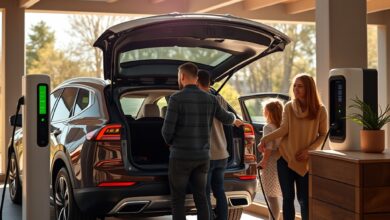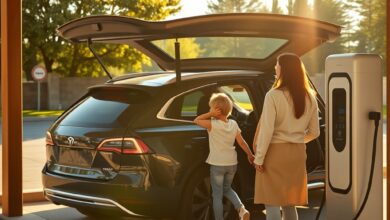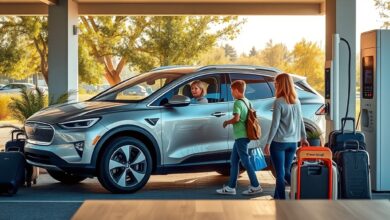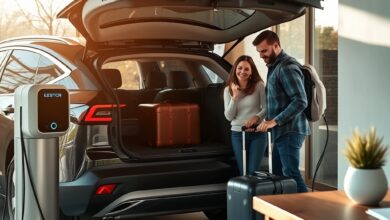

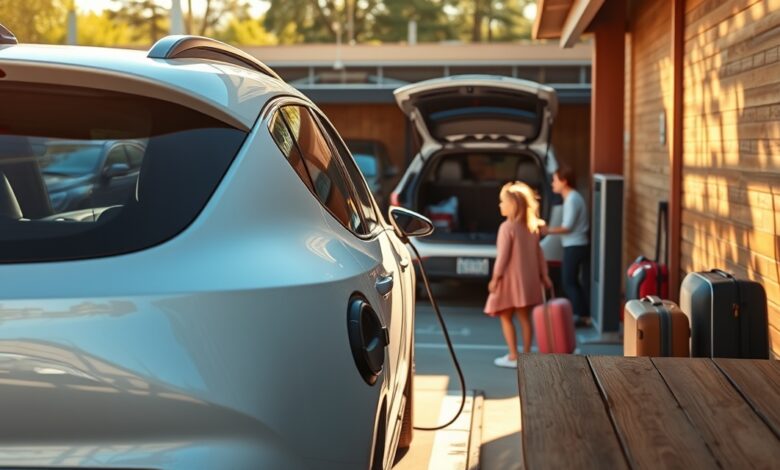
Family road trips are getting a high‑voltage makeover, and the surge of electric SUVs on the market is making it easier than ever to combine adventure with sustainability. As more parents seek zero‑emission options that still offer the space and safety they need, the term “electric SUVs” has become a buzzword in every dealership and online forum. Whether you’re hauling kids, gear, or pets, the right electric SUV can deliver the range, comfort, and tech that turn a long drive into a smooth, quiet experience.
Why Electric SUVs Are Ideal for Families
Electric SUVs blend the practicality of a traditional sport‑utility vehicle with the environmental and cost benefits of an EV. Their higher seating position gives better visibility for city driving and off‑road excursions, while the instant torque of electric motors makes merging onto highways effortless—especially useful when you’re juggling car seats and cargo.
- Zero tailpipe emissions keep the cabin air cleaner for children.
- Lower operating costs mean fewer trips to the pump and reduced maintenance.
- Spacious interiors often exceed those of comparable gasoline SUVs, thanks to the compact nature of battery packs.
- Advanced driver‑assist features such as adaptive cruise control and automatic emergency braking enhance safety on family outings.
Before you dive into the market, consider your family’s typical driving patterns. Do you commute 30 miles each way? Do you need a vehicle that can handle weekend camping trips? Answering these questions will help you prioritize range, cargo capacity, and charging infrastructure.
Key Performance Metrics to Evaluate
When comparing electric SUVs, the most critical specs go beyond just the advertised range. Here’s what to look for:
Range and Real‑World Efficiency
- EPA‑rated range provides a standardized benchmark, but real‑world numbers can drop 10‑20% in cold weather.
- Energy consumption (MPGe) tells you how many miles you get per kilowatt‑hour, a useful metric for budgeting electricity costs.
- Fast‑charging capability—look for 150 kW or higher to add 100+ miles in under 15 minutes.
Power and Handling
- Torque delivery is instant, which improves acceleration from stop—handy for school drop‑offs.
- All‑wheel drive (AWD) is common in electric SUVs, providing better traction on wet or snowy roads.
- Suspension tuning varies; some models favor a comfortable ride, while others aim for sporty handling.
Space, Comfort, and Safety Features
Family-friendly electric SUVs must excel in interior flexibility and safety technology. Look for the following:
- Third‑row seating—many 2026 models now offer a fold‑flat third row, allowing up to seven passengers.
- Cargo volume—aim for at least 30 cubic feet behind the second row; many SUVs expand to 70+ cubic feet with seats down.
- Child‑seat anchors (LATCH)—check the number and placement to accommodate multiple car seats.
- Safety ratings from NHTSA and IIHS; most top electric SUVs earn “Top Safety Pick+”.
Advanced safety suites often include:
- Automatic emergency braking (AEB)
- Lane‑keeping assist (LKA)
- Blind‑spot monitoring with rear cross‑traffic alert
- Driver attention monitoring, which can be a lifesaver on long trips.
Budgeting, Incentives, and Ownership Costs
While electric SUVs have higher sticker prices than comparable gasoline models, the total cost of ownership (TCO) can be lower over five years. Here’s how to break down the numbers:
- Federal and state incentives—up to $7,500 federal tax credit plus additional state rebates.
- Home charging installation—average $1,200 for a Level 2 charger, often eligible for utility rebates.
- Maintenance savings—fewer moving parts mean reduced brake wear, no oil changes, and lower fluid costs.
- Insurance considerations—some insurers offer discounts for EVs equipped with driver‑assist tech.
To determine a realistic budget, use this simple formula:
Estimated Monthly Cost = (Vehicle Price – Incentives) ÷ Loan Term + Estimated Electricity Cost + Insurance + Maintenance
Plug in your numbers to see if a lease or purchase makes more sense for your family’s cash flow. Remember, leases often include mileage limits—important if you plan frequent road trips.
Emerging Technologies Shaping the 2026 Electric SUV Landscape
The electric SUV segment is evolving rapidly, with manufacturers introducing features that were once exclusive to luxury sedans. Keep an eye on these trends when choosing a model for your family:
- Bidirectional charging (Vehicle‑to‑Home)—allows your SUV to power your home during outages, adding a layer of emergency preparedness.
- Integrated solar roofs—while still modest in power, they can add a few extra miles per day, useful for camping trips.
- Enhanced infotainment with over‑the‑air updates—ensures your navigation, media, and safety software stay current without dealer visits.
- Augmented reality heads‑up displays—project speed, navigation, and safety alerts directly onto the windshield, reducing driver distraction.
These innovations not only improve convenience but also increase resale value, an important factor for families who may upgrade as kids grow.
Comparison of Top Electric SUVs for Family Adventures in 2026
| Model | Starting Price | EPA Range | Seating Capacity | Key Family Feature | Best For |
|---|---|---|---|---|---|
| Ford Mustang Mach‑E AWD | $48,495 | 300 miles | 5 | Spacious rear cargo floor with sliding floor panel | Tech‑savvy families |
| Volkswagen ID.4 Pro | $41,990 | 280 miles | 5 | Standard 12‑inch infotainment with kid‑mode profiles | Budget‑conscious households |
| Hyundai Ioniq 6 (Extended Range) | $45,750 | 350 miles | 5 | Rear‑seat USB‑C ports and optional third‑row | Long‑distance travelers |
| Kia EV6 GT‑Line | $49,990 | 310 miles | 5 | Dual‑zone climate control with rear vents | Families needing extra comfort |
| Volvo XC40 Recharge | $55,200 | 260 miles | 5 | Standard Pilot Assist semi‑autonomous system | Safety‑first families |
| Mercedes‑EQ EQB | $58,300 | 285 miles | 7 | Optional third‑row with easy‑fold mechanism | Large families |
Each of these models balances range, price, and family‑focused amenities. Use the table to match your priorities—whether it’s maximum cargo space, advanced safety, or the longest possible range.
Putting It All Together: How to Choose the Right Electric SUV for Your Family
Follow this step‑by‑step checklist to narrow down the perfect electric SUV:
- Define your daily and weekly mileage—compare EPA ranges with your typical usage, adding a 20% buffer for cold weather.
- Assess cargo and seating needs—measure the space required for strollers, sports equipment, and any future third‑row requirements.
- Calculate total ownership cost—include incentives, home charger installation, electricity rates, insurance, and expected maintenance.
- Test drive key contenders—pay attention to ride comfort, visibility, and ease of accessing rear seats.
- Check charging infrastructure—ensure fast‑charging stations are conveniently located along your most common routes.
- Review warranty and service plans—look for battery guarantees of 8 years/100,000 miles and roadside assistance.
By systematically evaluating each factor, you’ll avoid the common pitfalls of impulse EV purchases and secure a vehicle that grows with your family’s needs.
FAQ
Is it better to lease or buy an electric SUV for a growing family?
Leasing can lower monthly payments and let you upgrade to newer technology every 3‑4 years, but mileage caps may be restrictive for families that travel often. Buying, especially with available tax credits, often results in lower long‑term costs and provides the flexibility to keep the vehicle as your children outgrow it.
How much does home charging cost per month for a typical family?
Assuming an average electricity rate of $0.13/kWh and a weekly driving distance of 300 miles (≈90 kWh), the monthly cost is roughly $56. This is significantly less than the average gasoline cost for a comparable SUV.
What range should I look for if I frequently take road trips?
For regular road trips of 300‑400 miles, aim for an electric SUV with at least 350 miles EPA range. This provides a comfortable buffer for charging stops and weather‑related efficiency losses.
Are electric SUVs safe for children compared to gasoline SUVs?
Yes. Many electric SUVs earn top safety ratings and benefit from a lower center of gravity due to the battery pack, which can improve handling and reduce rollover risk. Additionally, the quiet cabin eliminates engine noise, allowing parents to focus more on the road.
Can I use public fast chargers while on a family vacation?
Absolutely. Networks like Electrify America, ChargePoint, and EVgo have grown rapidly, offering 150‑350 kW chargers that can add 100+ miles in 10‑15 minutes. Planning charging stops using apps like PlugShare ensures a smooth journey.