
Why Vintage Cars Are the Ultimate First Restoration Project
The thrill of spotting a rust‑covered beauty in a back‑yard sale or an online auction is unlike any other automotive experience. For many enthusiasts, the journey from a neglected chassis to a gleaming showroom‑ready machine begins with a single decision: which vintage car will become their first restoration project. Vintage cars not only offer a tangible connection to automotive history, but they also provide a rewarding blend of hands‑on learning, creative problem‑solving, and the satisfaction of preserving a piece of motoring heritage. Choosing the right project can set the tone for years of enjoyment, skill development, and even future investment returns.
Setting a Realistic Budget for Your Classic Car Dream
Before you fall in love with a particular model, it’s essential to outline a clear financial framework. Restoration budgets can balloon quickly if every potential cost isn’t accounted for from the start.
Purchase Price vs. Restoration Costs
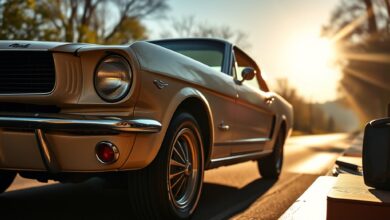
- Acquisition cost: This varies widely based on rarity, condition, and market demand. A well‑preserved 1965 Ford Mustang might cost $25,000, while a heavily rusted example could be under $5,000.
- Parts and labor: Original OEM parts for vintage cars can be pricey, especially for limited‑run engines or specialty trim pieces. Expect to allocate 30‑50% of your total budget for parts.
- Unexpected repairs: Hidden rust, seized engines, or compromised frames often surface once work begins. Set aside a contingency fund of at least 15% of the projected spend.
Financing Options and Tax Considerations
Many first‑time restorers underestimate the financing landscape. While personal loans are common, specialized classic‑car financing programs can offer lower interest rates and longer terms, especially if the vehicle is considered a collector’s item. Additionally, certain jurisdictions provide tax incentives or reduced registration fees for vehicles that qualify as historic or antique. Research your state’s regulations early to capture any potential savings.
Choosing the Right Model: Factors to Evaluate
Not every classic will suit a novice’s skill set or budget. Evaluating each candidate against a set of practical criteria ensures you select a model that aligns with your goals.
Popularity and Parts Availability
High‑volume models like the Chevrolet Camaro, Ford Mustang, and Volkswagen Beetle benefit from thriving aftermarket ecosystems. This translates into lower part costs, faster shipping times, and a wealth of online forums where you can find step‑by‑step guides.
Complexity of Mechanical Systems
Some vintage cars feature sophisticated carburetion, early fuel‑injection, or unique drivetrain layouts that demand specialized knowledge. If you’re new to restoration, prioritize models with straightforward mechanical designs—think solid‑axle rear ends, simple inline‑four engines, and manual transmissions.
Resale Potential
Even if your primary aim is personal enjoyment, consider the long‑term value of the vehicle. Models that have demonstrated steady appreciation—such as the Porsche 911 (early generations) or the Jaguar E‑Type—can become profitable assets if you ever decide to sell.
Comparison of Popular Classic Models for First‑Time Restorers
| Model | Approx. Purchase Price | Typical Restoration Cost | Iconic Feature | Pros | Best For |
|---|---|---|---|---|---|
| 1965 Ford Mustang | $8,000 – $25,000 | $10,000 – $20,000 | V8 “Cobra” engine option | Abundant parts, strong community support | Beginners seeking muscle car vibes |
| 1970 Chevrolet Camaro | $7,000 – $22,000 | $12,000 – $22,000 | Classic “SS” styling | Easy to source performance upgrades | Enthusiasts interested in drag‑strip prep |
| 1973 Porsche 911 (964) | $30,000 – $55,000 | $20,000 – $35,000 | Rear‑mounted flat‑six engine | High resale value, timeless design | Collectors with higher budget |
| 1968 Volkswagen Beetle | $3,000 – $9,000 | $5,000 – $12,000 | Air‑cooled flat‑four | Simple mechanics, inexpensive parts | First‑time restorers on a tight budget |
| 1972 Jaguar E‑Type | $20,000 – $45,000 | $25,000 – $45,000 | Elegant long‑hood design | Strong collector demand, iconic styling | Those seeking a blend of luxury and heritage |
Legal and Documentation Essentials
Restoring a vintage car isn’t just about metal and paint; it also involves navigating paperwork that ensures your project is road‑legal and protected.
- Title verification: Confirm that the seller holds a clear title. Look out for salvage titles, which can affect insurance and resale.
- Emissions compliance: Some states require classic cars to meet specific emissions standards or grant exemptions based on age. Check local DMV guidelines.
- Historic registration: Registering your vehicle as a historic or antique can lower registration fees and provide access to special license plates.
- Insurance coverage: Opt for “agreed‑value” classic car insurance, which protects the car’s market value rather than its depreciated worth.
Practical Restoration Tips and Resources
Even with a solid budget and the right model, successful restoration hinges on disciplined project management and leveraging community knowledge.
- Document every step: Take photos before, during, and after each phase. This not only tracks progress but also helps when selling the finished car.
- Start with the chassis: Address rust, structural integrity, and suspension before moving to the drivetrain or interior.
- Invest in quality tools: A good set of metric and SAE wrenches, a torque wrench, and a reliable jack stand can save time and prevent injury.
- Join online forums: Websites like ClassicCars.com, Hemmings, and dedicated Facebook groups offer troubleshooting advice, parts leads, and moral support.
- Consider a mentor: Partnering with an experienced restorer, even on a part‑time basis, can accelerate learning and avoid costly mistakes.
Maintaining Your Restored Vintage Car
Once your project reaches that coveted “finished” stage, the work isn’t over. Ongoing maintenance protects your investment and keeps the driving experience authentic.
- Regular fluid changes: Even if the car sits infrequently, change oil, coolant, and brake fluid at least once a year.
- Seasonal storage: Store the vehicle in a climate‑controlled environment to prevent moisture‑related corrosion.
- Periodic inspections: Have a qualified classic‑car mechanic inspect the suspension, brakes, and engine annually.
- Stay updated on parts availability: Even after restoration, certain components may wear out; keep a list of reliable suppliers for quick replacements.
Frequently Asked Questions
Is it better to buy a project car or a fully restored vintage car?
It depends on your goals and skill level. Buying a project car allows you to learn by doing and potentially save money, but it requires time, tools, and patience. A fully restored vehicle is ready to drive and may hold higher resale value, but it comes at a premium price.
How much should I expect to spend on parts for a typical restoration?
Part costs can range from a few hundred dollars for common items (e.g., brake pads) to several thousand for rare components like original carburetors or body panels. As a rule of thumb, allocate 30‑50% of your total budget to parts.
Do I need a special license to work on vintage cars?
No special license is required for most DIY work. However, if you plan to run a professional restoration shop, many states require a business license and, in some cases, a mechanic’s certification.
Can I get financing for a classic car that needs extensive work?
Yes, some lenders offer classic‑car loans based on the projected post‑restoration value. These loans often require a higher down payment and may have stricter appraisal requirements.
What insurance coverage is recommended for a restored vintage car?
“Agreed‑value” insurance is ideal, as it guarantees a payout equal to the car’s agreed-upon market value, regardless of depreciation. Look for policies that cover roadside assistance and transport to shows.